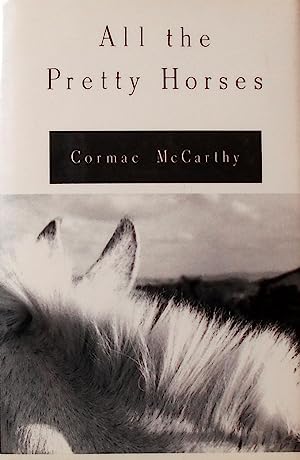
Introduction: I discovered the writing of Cormac McCarthy in the 1990s. I was on a deployment in the Balkans during the Clinton administration. While the world was fascinated with Clinton’s doings with Monica and adulteries in the Oval Office, I was reading the works of Cormac McCarthy when I wasn’t on duty with my fellow soldiers in the Army, as the Serbs, Croats, Bosnians, Muslims, professing Christians, and others raged over the ethnic cleansing and crimes that characterized the former Yugoslavia. I read All the Pretty Horses first, and I was immediately and permanently hooked on McCarthy. That was nearly 25 years ago now, and I’m still reading him.
McCarthy died a few weeks ago, and there is now a new interest in him, but I’ve been with him all along. In English, other than Shakespeare, Dickens, Milton, Faulkner, Hemingway (in his best early stories), and Flannery O’Connor, McCarthy’s tops for me. I’ve found no one who crafts sentences in English with such pathos, power, and soul-wrenching beauty. What Dante is to Italian, McCarthy is to American English. What Cervantes is to Spanish, McCarthy is to American English.
I read Horses again recently as well as several books of McCarthy scholarship, and again I was ridden across the bloodred ranges of sage, arroyos, and dry winds, where desert prophets expostulate under lightning storms, and Mexican beauties elicit knife fights, and the roasting of venison over the campfire draws wolves down from the hills.
Reasons I Read McCarthy:
- The beauty of language. Here is one example from when John Grady Cole reflects upon a girl:
“ . . . and the sadness he’d first seen in the slope of her shoulders which he’d presumed to understand and of which he knew nothing and he felt a loneliness he’d not known since he was a child and he felt wholly alien to the world although he loved it still. He thought that in the beauty of the world were hid a secret. He thought the world’s heart beat at some terrible cost and that the world’s pain and its beauty moved in a relationship of diverging equity and that in this headlong deficit the blood of multitudes might ultimately be exacted for the vision of a single flower” (282).
If you’ve a soul, if you’re not dead to beauty, if you’ve ever loved and admitted it to yourself, and felt your heart long to utter that beauty is the voice of God to wrestle the souls of men from slumber, those words from McCarthy will speak to you. What does it reveal if they do not?
2. His assessment of man’s destruction of creation. Whether it’s McCarthy’s Border Trilogy, or The Road, or earlier masterpieces like Suttree, The Orchard Keeper, and Outer Dark, McCarthy’s important because he understands the distinction between stewardship and rapacity. Man is brutal, and McCarthy dramatizes said brutality beautifully.
Some Concluding Thoughts: I have my own contribution to McCarthy coming soon, but if nothing else, I invite readers to try McCarthy if you’ve not before. And if you have and found him tough, well, he is. He’s not for the bottom shelf; he never settled for that. But if you’ll do the work, slow down and think of what he’s saying (and saying beautifully), you will discover what great literature does: it moves souls, speaks the unspeakable, and reminds you of mystery and of what matters.
 MIND & MATTERS