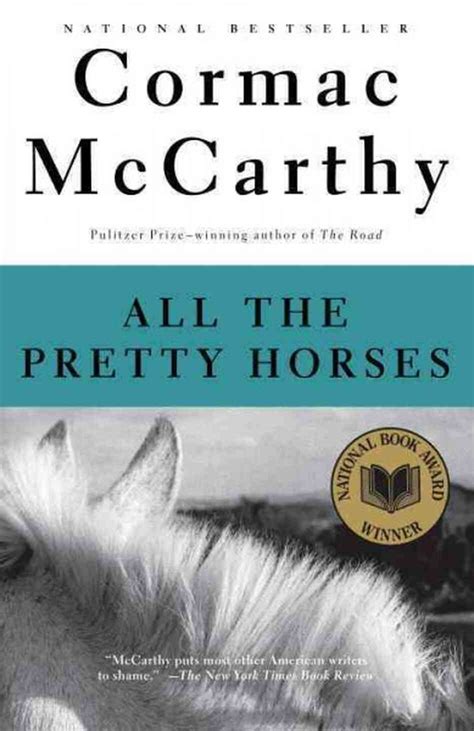
Towards the end of one my favorite novels, the wise woman Alphonsa speaks to the protagonist of the story about how and why she came to her worldview:
When I was in school I studied biology. I learned that in making their experiments scientists will take some group–bacteria, mice, people–and subject that group to certain conditions. They compare the results with a second group which has not been disturbed. This second group is called the control group. It is the control group which enables the scientist to gauge the effect of his experiment. To judge the significance of what has occurred. In history there are no control groups. There is no one to tell us what might have been. We weep over the might have been, but there is no might have been. There never was. It is supposed to be true that those who do not know history are condemned to repeat it. I don’t believe knowing can save us. What is constant in history is greed and foolishness and a love of blood and this is a thing that even God–who knows all that can be known–seems powerless to change (239).
Reflection: As I have written other places, it is unwise to ascribe the words of an author’s created character as representing the author’s own worldview. At the same time, however, it is unwise to neglect an author’s created character’s views as irrelevant or necessarily contrary to the author’s own.
The character of Huck Finn was not Mark Twain. The character of Hamlet was not Shakespeare. The character of Jay Gatsby was not Scott Fitzgerald. However, to not try and see the world as Huck did would be to miss massive themes about freedom versus slavery, about nature versus urbanization. To not understand betrayal and corruption and the lust for vengeance like Hamlet did would be to miss massive explorations of what it means to strive for honor, to confront decay, to weigh what makes life worth living. To not understand the tragedy of Jay Gatsby’s dissolution would be to not grapple with the perils of materialism and the lust for stuff and for seeming instead of being.
The beauty and challenge of great literature is that we are invited to explore the depths of the issues raised and engage in order to deepen our lives–to use our mind, heart, soul, and strength for those ideas that ought to most matter.
 MIND & MATTERS