Introduction: Ever heard the adage, “The pen is mightier than the sword”? I wager you probably have. But have you thought about the wisdom of that proverbial phrase? In other words, is it true? I contend that it certainly is true and the wise person will be known by the books he’s absorbed. Not just books for the sake of books, but wisdom gained from the wisdom of the ages. And that wisdom is largely conveyed via the written word.
The Heart of the Issue: In his masterpiece, How to Read a Book, Mortimer Adler wrote the following:
There is some feeling nowadays that reading is not as necessary as it once was. Radio and especially television have taken over many of the functions once served by print, just as photography has taken over functions once served by painting and other graphic arts. Admittedly, television serves some of these functions extremely well; the visual communication of news events, for example, has enormous impact. The ability of radio to give us information while we are engaged in doing other things–for instance, driving a car–is remarkable, and a great saving of time. But it may be seriously questioned whether the advent of modern communications media has much enhanced our understanding of the world in which we live.
Perhaps we know more about the world than we used to, and insofar as knowledge is prerequisite to understanding, that is all to the good. But knowledge is not as much a prerequisite to understanding as is commonly supposed. We do not have to know everything about something in order to understand it; too many facts are often as much of an obstacle to understanding as too few. There is a sense in which we moderns are inundated with facts to the detriment of understanding (3-4).
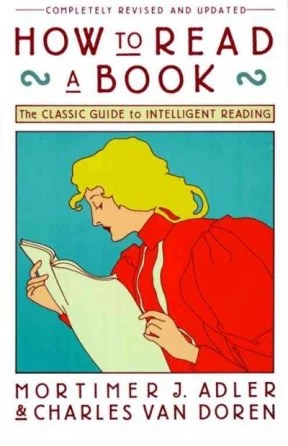
Adler penned that in 1972, but he originally penned the book in 1940. 1940! How much has changed since then. In our culture, social media is nearly inescapable. TVs are pervasive. TikTok, Facebook, Instagram, X, et al. The list continues to expand. Smartphones are part of people’s hands. Tablets, laptops, desktops, iPads, and on and on. Loads of info. Arguably too much info. De trop. But how often do we read deeply?
Three Leaders on Reading: Napoleon Bonaparte is credited with penning, “Show me a family of readers, and I will show you the people who move the world.”
Frederick Douglass wrote, “Once you learn to read, you will be forever free.”
Cicero wrote, “A room without books is like a body without a soul.”
Encouragement: When I was a kid in high school, I stumbled across a couple of novels about soldiers. One was O’Brien’s Going After Cacciato. Another was Del Vecchio’s The 13th Valley. I was hooked–not just on reading about all-things-Vietnam-era, but on reading, on grasping the power of the pen to show forth the agonies and ecstasies of life. It’s cliche but true: leaders are readers. Reading, especially reading well, adds life to our years.
Three of my favorites:
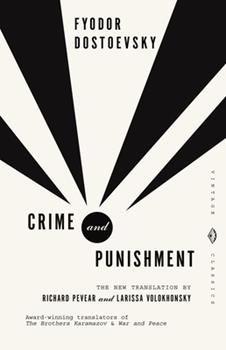
- Crime and Punishment
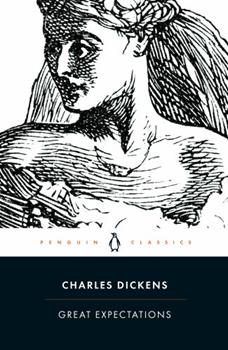
- Great Expectations
- The Lords of Discipline

 MIND & MATTERS