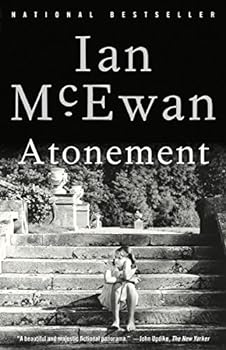
I’m reading McEwan’s oft-referenced novel Atonement. The writing is, like the other McEwan novels and short stories I’ve read, superb. He’s understandably compared to Dickens and Updike. He is a master of portraying childhood wounds like Dickens, and he’s equally gifted in examining the cruelties and dark imaginations of adult life like John Updike.
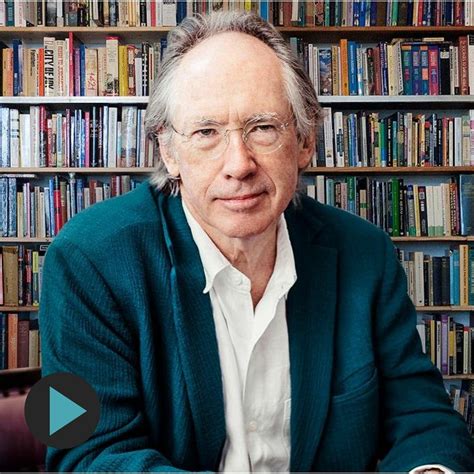
McEwan’s atheism is no secret. Yet he seems determined to explore the theme of atonement (or lack thereof) in this novel. (How can there be atonement if there’s no saviour?) And it is proving to be a rather circuitous (and solipsistic) route.
 MIND & MATTERS