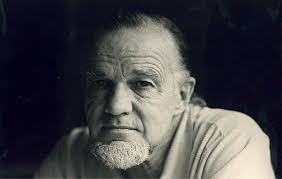
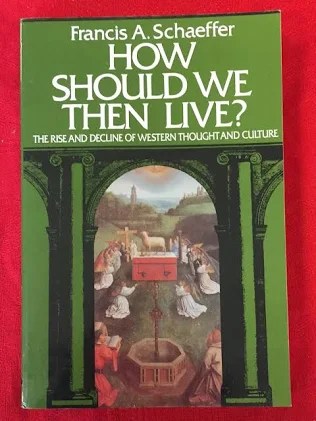
Schaeffer’s influence on understanding intellectual history/the history of ideas is remarkable. This week, I reread his masterpiece How Should We Then Live? Below are just (3) of the book’s myriad nuggets of wisdom:
- “Nietzsche knew the tension and despair of modern man. With no personal God, all is dead. Yet man, being truly man (no matter what he says he is), cries out for a meaning that can only be found in the existence of the infinite-personal God, who has not been silent but has spoken, and in the existence of a personal life continuing into eternity” (HSWTL, 180).
- “If there is no aboslute moral standard, then one cannot say in a final sense that anything is right or wrong. By absolute we mean that which always applies, that which provides a final or ultimate standard. There must be an absolute if there are to be morals, and there must be an absolute if there are to be real values. If there is no absolute beyond man’s ideas, then there is no final appeal to judge between individuals and groups whose moral judgments conflict. We are merely left with conflicting opinions” (ibid, 145).
- “To make no decision in regard to the growth of authoritarian government is already a decision for it” (ibid, 257).
Well done, good and faithful servant.
 MIND & MATTERS