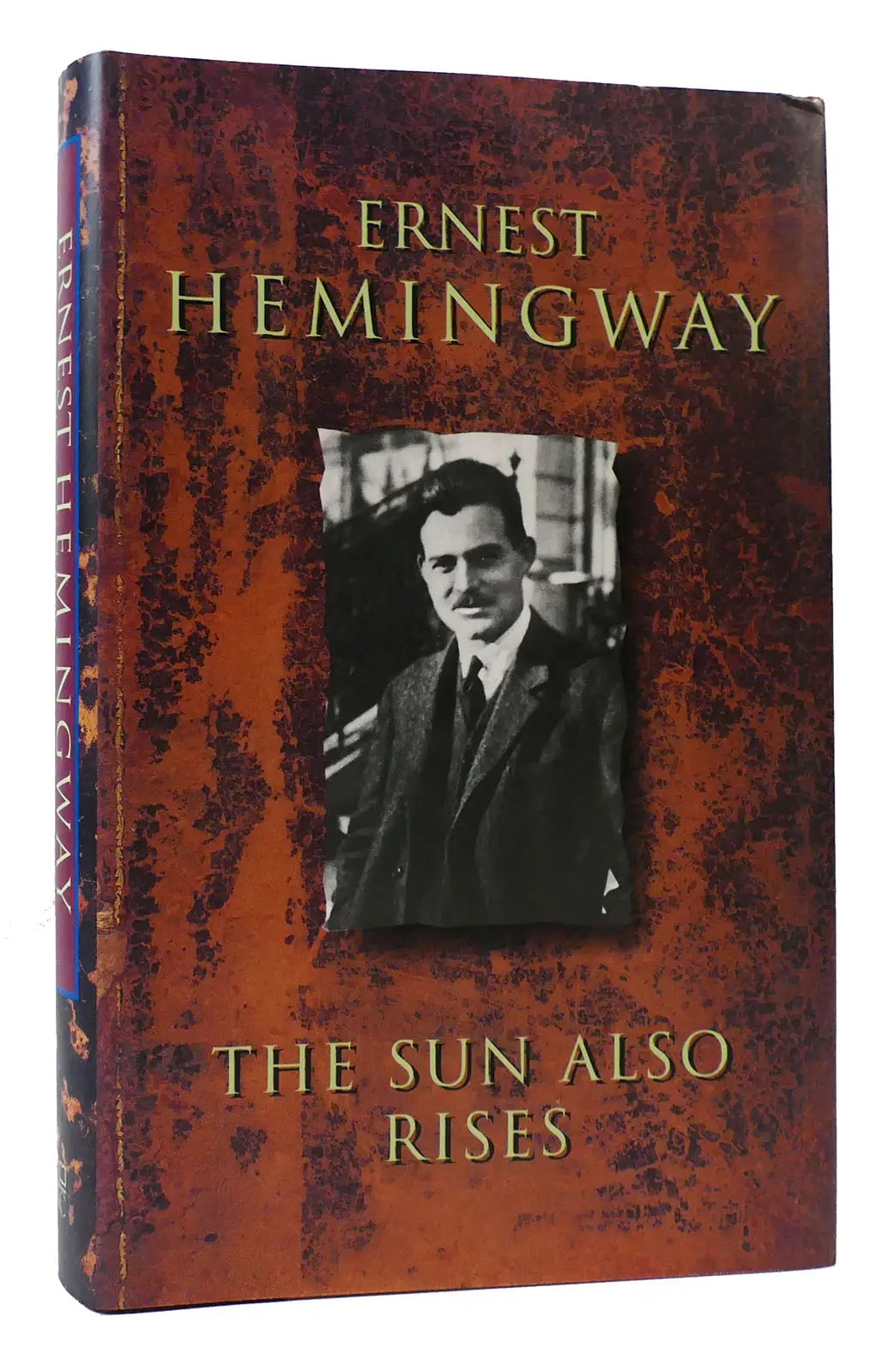
Due to the fallout, delays, and cancellations related to the most recent Microsoft/CrowdStrike attack, and the ensuing ‘interferences’ (let the reader understand; it is coming again around election time, just watch), I read Hemingway’s breakthrough novel The Sun Also Rises again. This is my fourth or fifth time through it, I think, and probably my favorite so far.
I especially appreciate the inscription at the beginning of the book from the King James Version of Scripture. It is taken from Ecclesiastes, my enduring favorite of the 66 books of Scripture:
One generation passeth away, and another generation cometh; but the earth abideth forever… The sun also ariseth, and the sun goeth down, and hasteth to the place where he aros… The wind goeth toward the south, and turneth about unto the north; it whirleth about continually, and the wind returneth again according to his circuists…. All the rivers run into the sea; yet the sea is not full; unto the place from whence the river come, thither they return again.
All the goeth and whirleth and turneth Elizabethan English is gone, but the principles of Ecclesiastes are clear as ever.
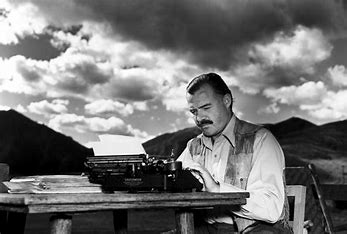
I prefer Hemingway’s short stories (that was his strongest work, in my estimation), but he cuts right to the point in The Sun Also Rises, too. The story explores “the lost generation,” of post-WWI writers and artists, those who endured the effects of WWI’s massive horrors, and who felt empty and lost, exiles from Eden.
Though Hemingway never appeared to repent and flee to Christ in the gospel, he did at least dramatically illustrate how so many go through life, skating upon the surface, and he proved exactly what Solomon taught in Ecclesiastes, about the ephemerality of so many people’s lives–just going through the motions until it’s too late.
 MIND & MATTERS