Principle: We become like that which we worship.
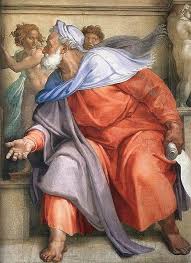
Historical setting: Late 500s B.C. Babylonian exile. Ezekiel was a Jewish exile, along with countless others. God was using one wicked nation to judge another wicked nation. (Let that sink in: God uses other wicked nations and forces to judge one’s own.)
Ezekiel had been deported to Babylon (present-day Iraq) as part of God’s judgment upon Israel and Judah. Yet God still spoke truth through his prophets (Jeremiah and Ezekiel were prophets at the same time). Ezekiel (“God’s strength”) was 30 years old when God began his [Ezekiel’s] prophetic ministry, a significant year, when you know of Christ’s genesis for his public ministry.
Example: Chapter 8 of Ezekiel is one of the saddest commentaries upon the recalcitrance of sinners. Ezekiel is given the vision of abominations in the temple back in Jerusalem, Israel. What was supposed to be a sacred space, a place of worship of the true and living God, was instead a den of iniquity, filled not with God’s people but with vileness, polytheism, and rampant idolatry. Sound at all familiar?
Then we get God’s words to Ezekiel: “Therefore I will act in wrath. My eye will not spare, nor will I have pity. And though they cry in my ears with a loud voice, I will not hear them” (Ez 8:18, ESV).
Why will God act in wrath? Because God hates sin and must judge it (Ps 11:5). Why will he not spare? Because God disciplines those he loves (Heb 12:6). Because God’s longsuffering patience has a purpose: “Or do you presume on the riches of his kindness and forbearance and patience, not knowing that God’s kindness is meant to lead you to repentance” (Rom 2:4, ESV).
In chapter 8 of Ezekiel, Ezekiel is made to see the levels of abomination to which people can and did sink in their rejection of God–“creeping things and loathsome beasts” (v 10); false worship involving liturgies (vv. 11-12); cults of sexuality (vv. 14-15); worship of stars, sun, and moon (vv. 16-17), and more. The very place that God had called to be set apart for worship of the true and living God the Creator had been perverted into the worship of creation and twisted into worship of the creation rather than the Creator (Rom 1).
And yet God has this faithful man, the prophetic truth-teller Ezekiel, to demonstrate visually and audibly the holiness of God, the sinfulness of the people, and the judgments that must be executed upon wickedness. Why must judgments be executed? Because God is holy. Because God detests wickedness. Because God loves. Because God is love and he loves that which is good and detests that which is evil.
Takeaway: And if we don’t understand the cross of Christ is the ultimate example of God’s demonstration of the aforementioned, we are just as hardhearted and recalcitrant as the exiles to whom Ezekiel first spoke.
 MIND & MATTERS