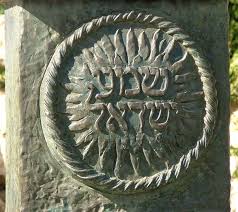
Text:
Hear, O Israel: The Lord our God, the Lord is one. You shall love the Lord your God with all your heart and with all your soul and with all your might. And these words that I command you today shall be on your heart. You shall teach them diligently to your children, and shall talk of them when you sit in your house, and when you walk by the way, and when you lie down, and when you rise. You shall bind them as a sign on your hand, and they shall be as frontlets between your eyes. You shall write them on the doorposts of your house and on your gates (Dt 6:4-9)
This was one of the first passages I committed to memory in my years of studying Scripture. It’s the Shema. That is from the Hebrew word for “Hear.” The emphasis here (pun intended) is upon hearing the Word of God and doing it. It’s the same principle Paul labors in Romans 10 where he writes, “So faith comes from hearing, and hearing through the word of Christ” (Rom 10:17).
Hear the Word and do the Word. The principle recurs in James’ letter, too: “But be doers of the word, and not hearers only, deceiving yourselves” (Jas 1:22). Hear but then do.
The Shema matters because it is the map for discipleship.
And the Lord teaches his people why this hearing and doing of the Word is crucial: “for the LORD your God [is] in your midst” (Dt 6:15). God is always present. When we experience that reality in our bones, it changes our heart, nature, mind, will, and affections.
Oftentimes I think we suppress that knowledge, just as Paul teaches in Romans 1: “For the wrath of God is revealed from heaven against all ungodliness and unrighteousness of men, who by their unrighteousness suppress the truth” (Rom 1:18). That’s the default position of the rebel: suppression of the truth of God.
Encouragement: God is “in the midst,” dear ones. Wherever you are, God is there. He is inescapable. Therefore, let God’s people both hear his Word and do his Word. Trust God with the results, because we will give an account (Rom 14:12).
 MIND & MATTERS