Bottom line up front: Trust not in emptiness.
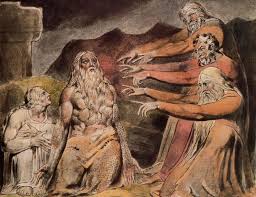
Context: Job, called a blameless and upright man in Scripture, had three friends. Sometimes they were wise friends. Sometimes they were lousy, foolish friends. But even when they were lousy friends, or at least lousy theologians, they at times spoke wisdom.
Here’s one example of wisdom from one of Job’s friends:
Let him not trust in emptiness, deceiving himself,
for emptiness will be his payment. (Job 15:31)
That’s a zinger!
What Eliphaz, Job’s friend, is telling Job is that the wise person is not to trust in his own wisdom and righteousness/self-righteousness. The wise person is to look to God for wisdom and righteousness.
Questions: Were Job’s friends often rotten counselors? Yes and amen. Were they sometimes loquacious when they should have remained silent? Yes and amen. Were they oftentimes too big for their britches, as my beloved departed grandmother was wont to say? Yes and amen.
But on occasion, they were spot on, bull’s-eye. That’s what that line from Eliphaz is. It is bull’s-eye, 100% wisdom:
Let him not trust in emptiness, deceiving himself,
for emptiness will be his payment. (Job 15:31)
Encouragement: We’re to seek the face of the Lord in the Scriptures for wisdom and righteousness. It’s God’s righteousness and wisdom we need. And those are two of the treasures found only in the gospel.
 MIND & MATTERS
Hey brother, I understand what you said about that verse but I can’t read your explanation into the verse. My ignorance is shining through this morning. I read something this morning which troubled me. Exodus 4:24, now why would the LORD want to kill Moses after bringing him this far? BTW, thanks for uploading the pic of you with your granddaughter. Know I love you and look forward to seeing you this Sunday.
LikeLiked by 1 person
Hey, brother. Here’s the context and hermeneutic of that verse. Eliphaz is telling Job that the reason for his (Job’s) suffering is because of his (Job’s) sin. But that clearly is not the case. God calls Job blameless and upright. But Eliphaz insists that Job’s kids were killed because of some wickedness in Job’s life. But the context of the entire book contradicts Eliphaz’ theology.
As to Exodus 4:24, the Lord threatened to kill Moses because Moses did not maintain the covenant he had with the Lord, namely, the covenants from Ex 2:24 and Gen 17:14; Ex 12:15; Lev 7:11-36, and Num 9:6-14. Moses was reluctant to circumcise his son, as he was supposed to do. That’s why Zipporah is commended for her obedience in distinction to Moses’ disobedience.
LikeLike