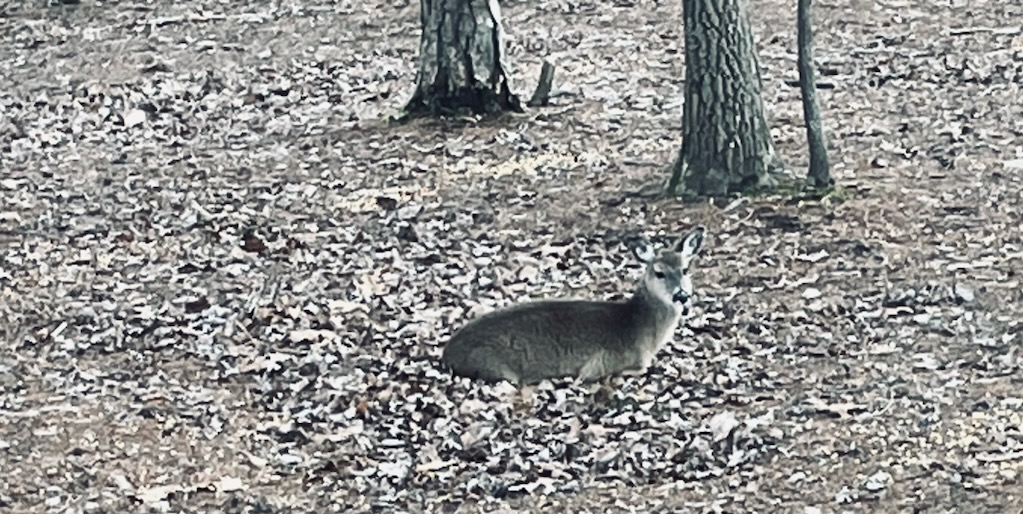
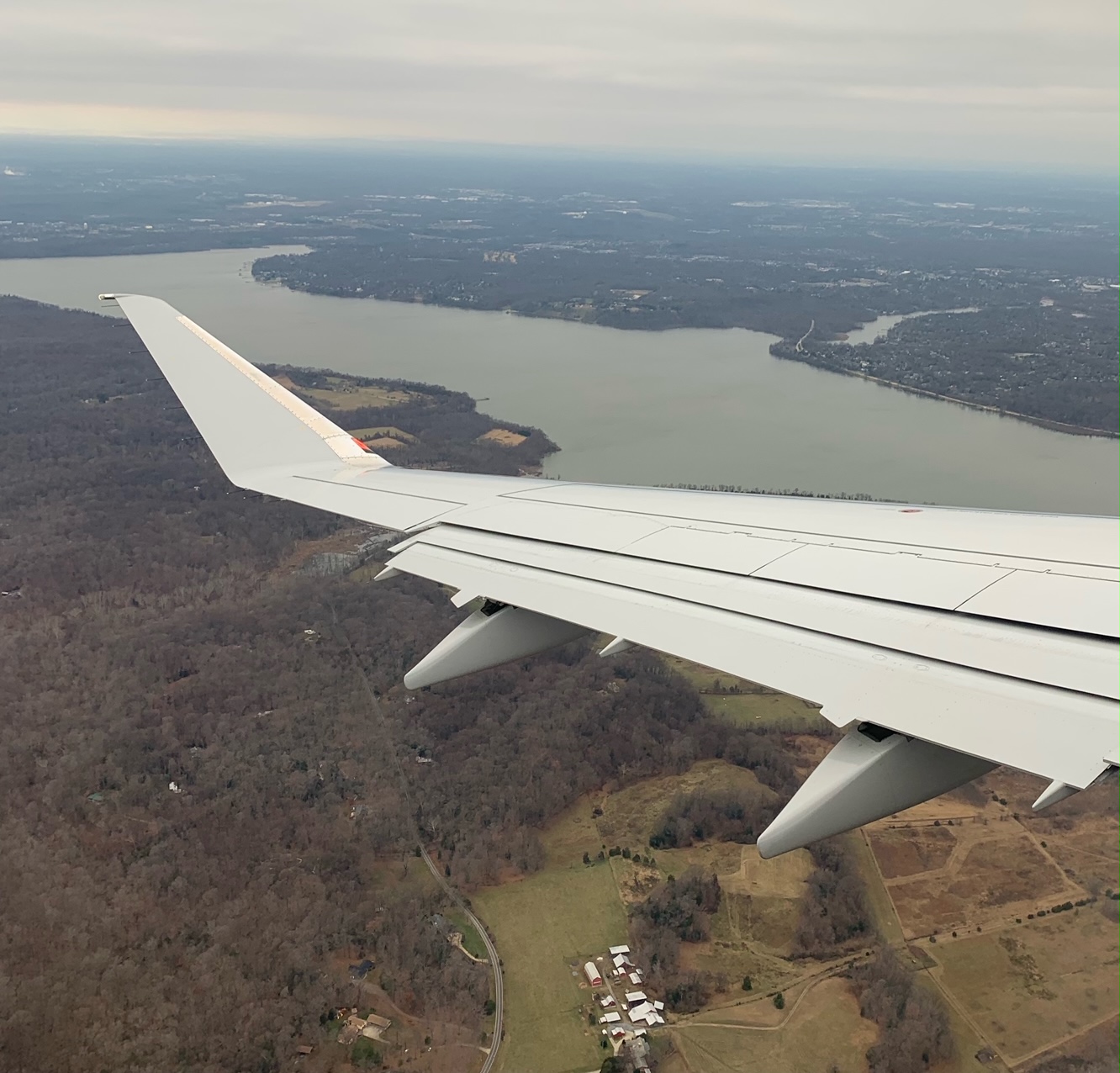
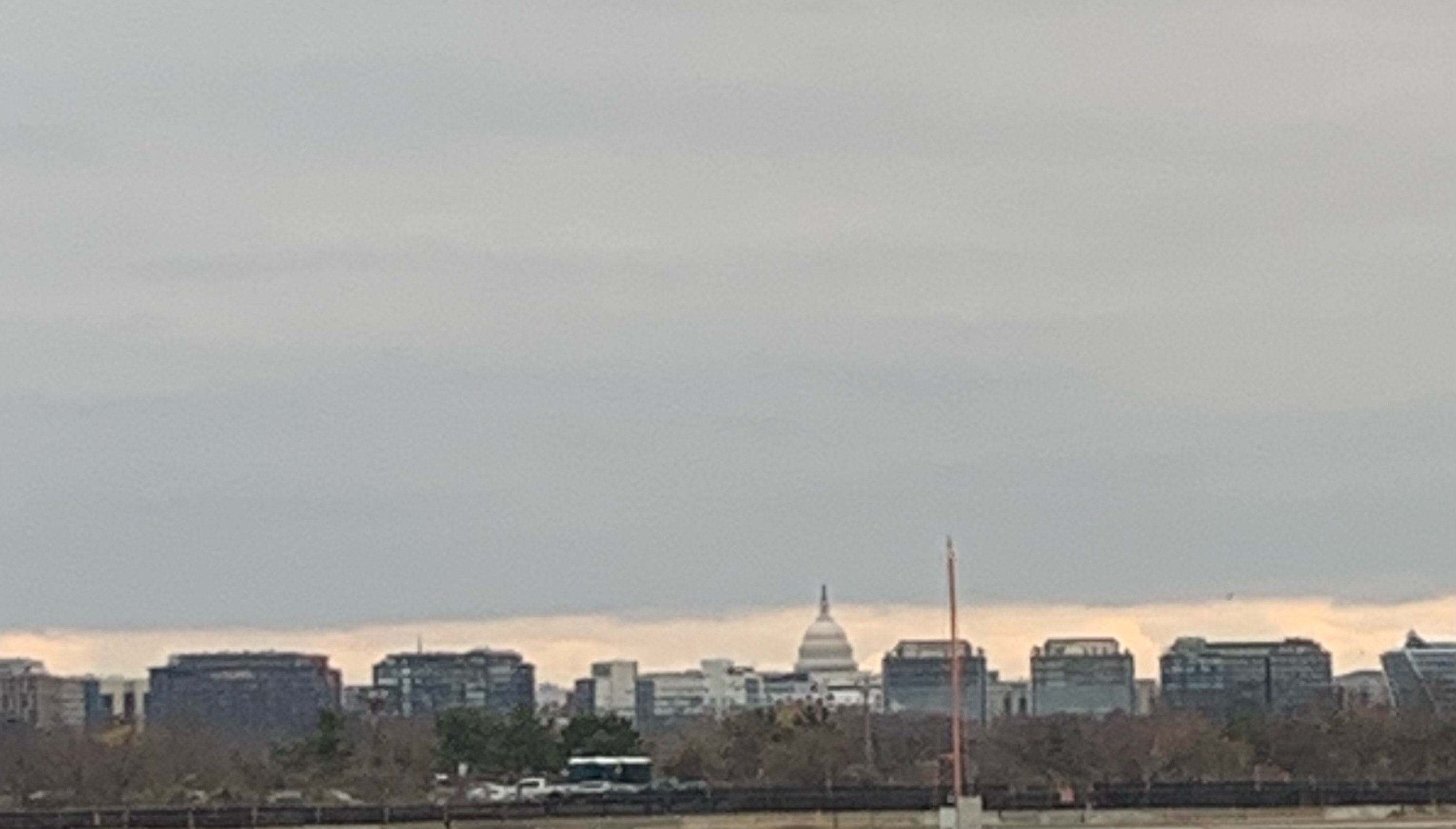
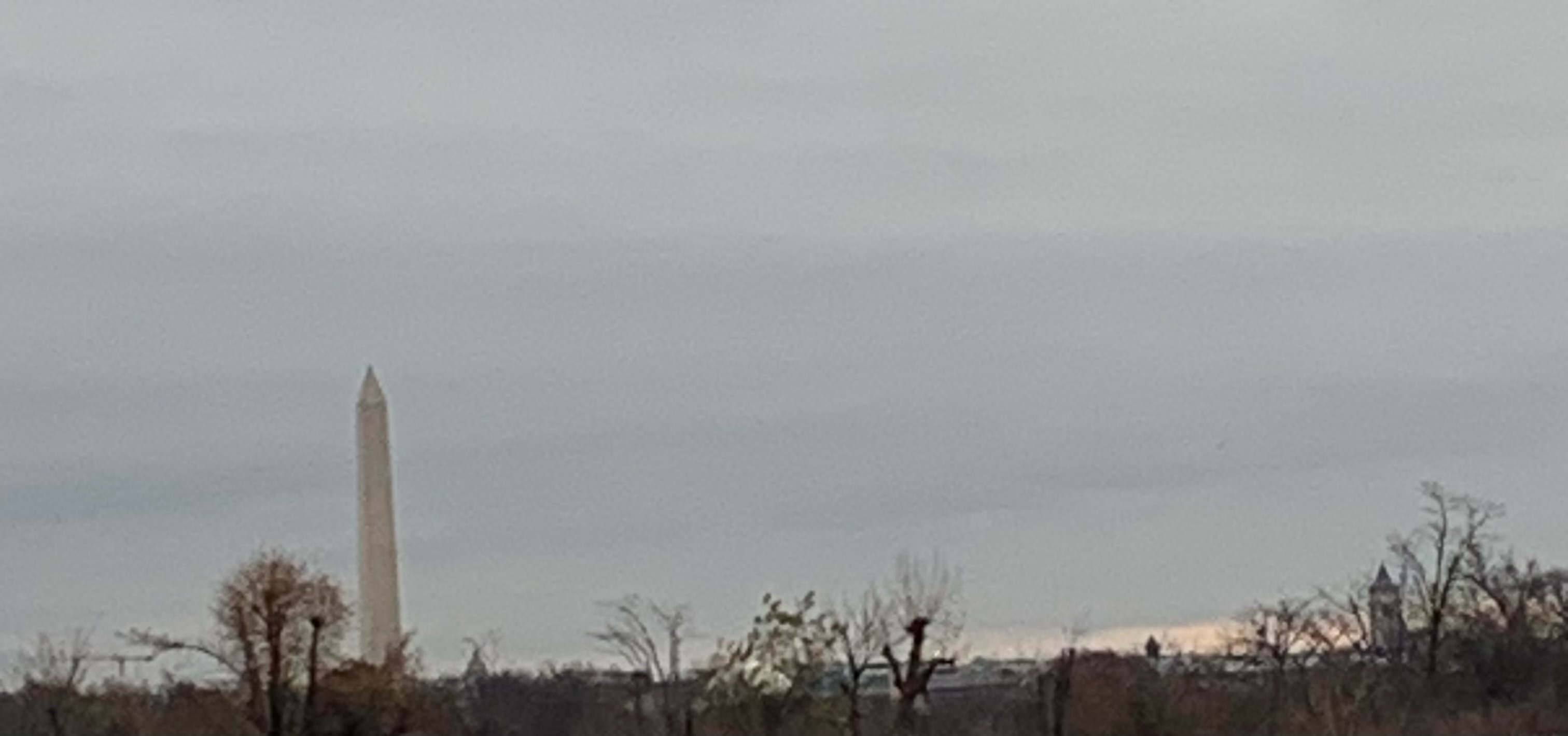
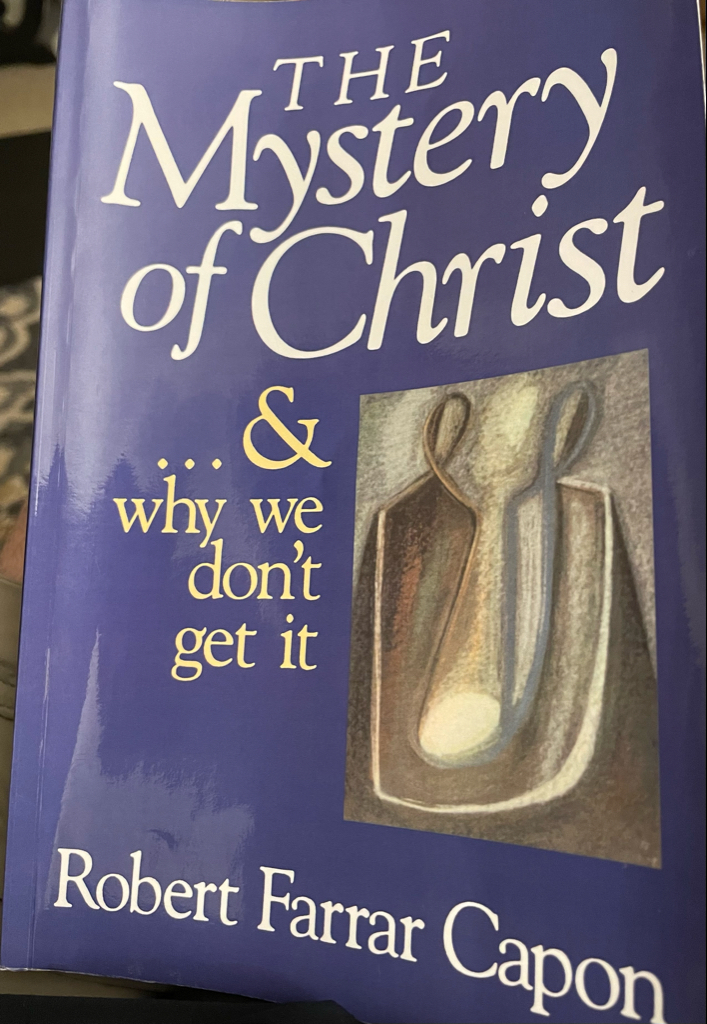
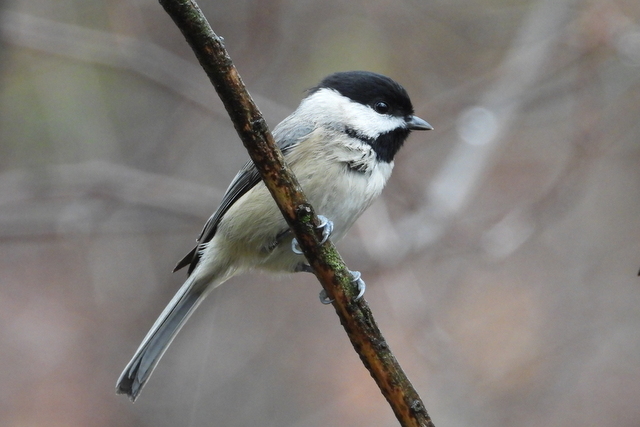
Got home, saw the family, watched a movie, drank some coffee, slept in my own bed, got a couple of new books in the mail, ate Chinese food, walked the dogs, hiked with the wifey, and looked out from the kitchen window to see this little girl bed down behind the house. My cup is full.
Today I was able to be among fellow soldiers in the Midwest and teach classes required of us each year.
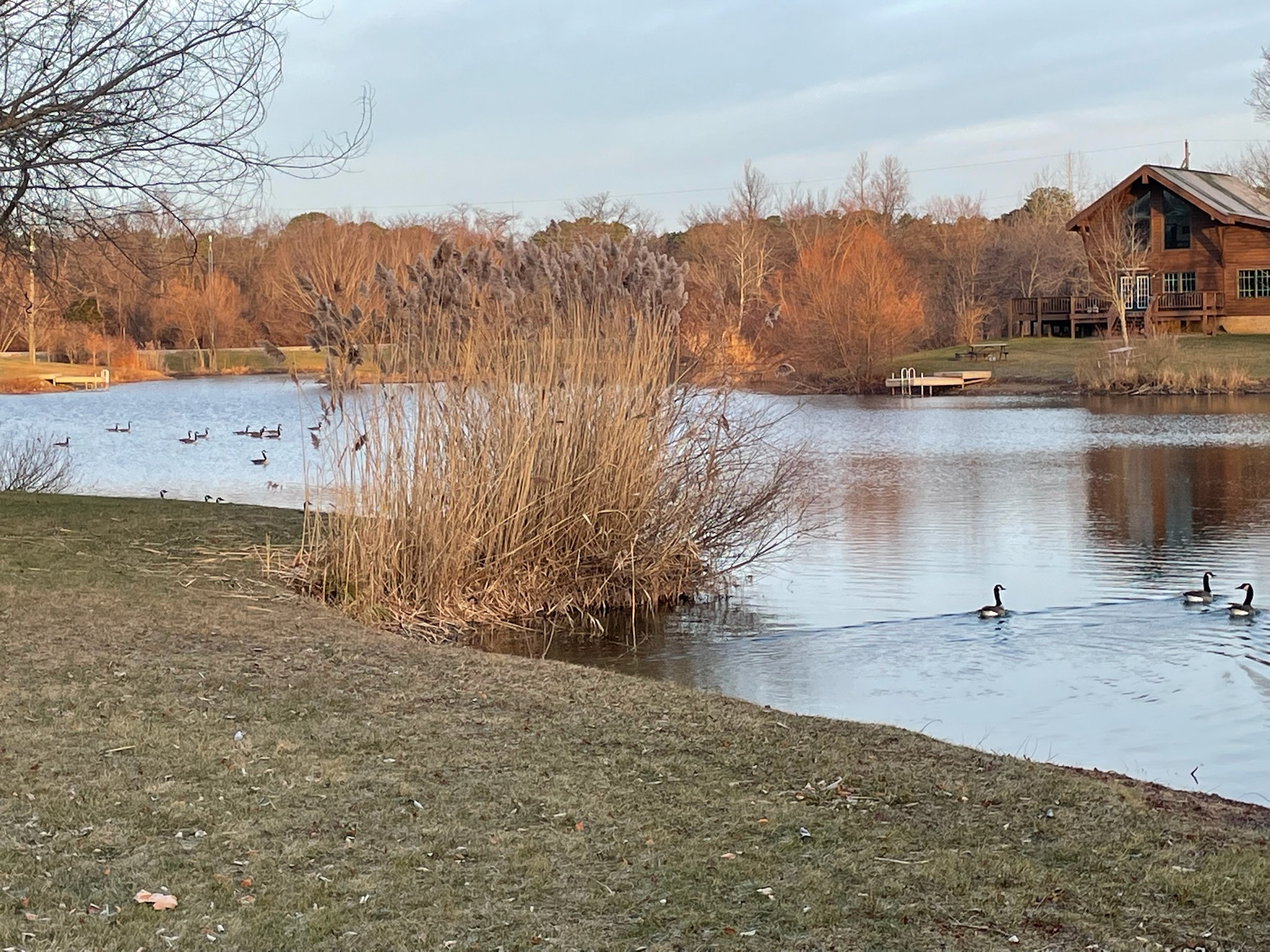
As I pulled into the location where the training was to occur, it was early, the temperature was well below freezing, and the whitetail deer were grazing the scarce green forage visible in the training area. Geese swam out away from where I parked the rental vehicle I was driving, and I followed the path to the classroom.
Shortly thereafter, soldiers from the unit began to arrive and they helped me set up the tables, chairs, etc. for the training. The staff at the facility were super-friendly and helpful, and soon we had begun. I could smell the fresh coffee brewing in the lobby and I had no technical/IT issues with my computer (my abiding specter as a Luddite).
I don’t understand why bucolic scenes (like the one above) move my soul the ways they do, but for me, peaceful scenes like what I drove in among this morning across the Big Blue River, and seeing the deer hunt for food, and watching the geese paddle across the pond, and watching the sun rise behind the trees and fall upon the water, and to be able to teach and minister to fellow soldiers, it just doesn’t get much better for me.
Thankful for days like this and the opportunities presented therein.
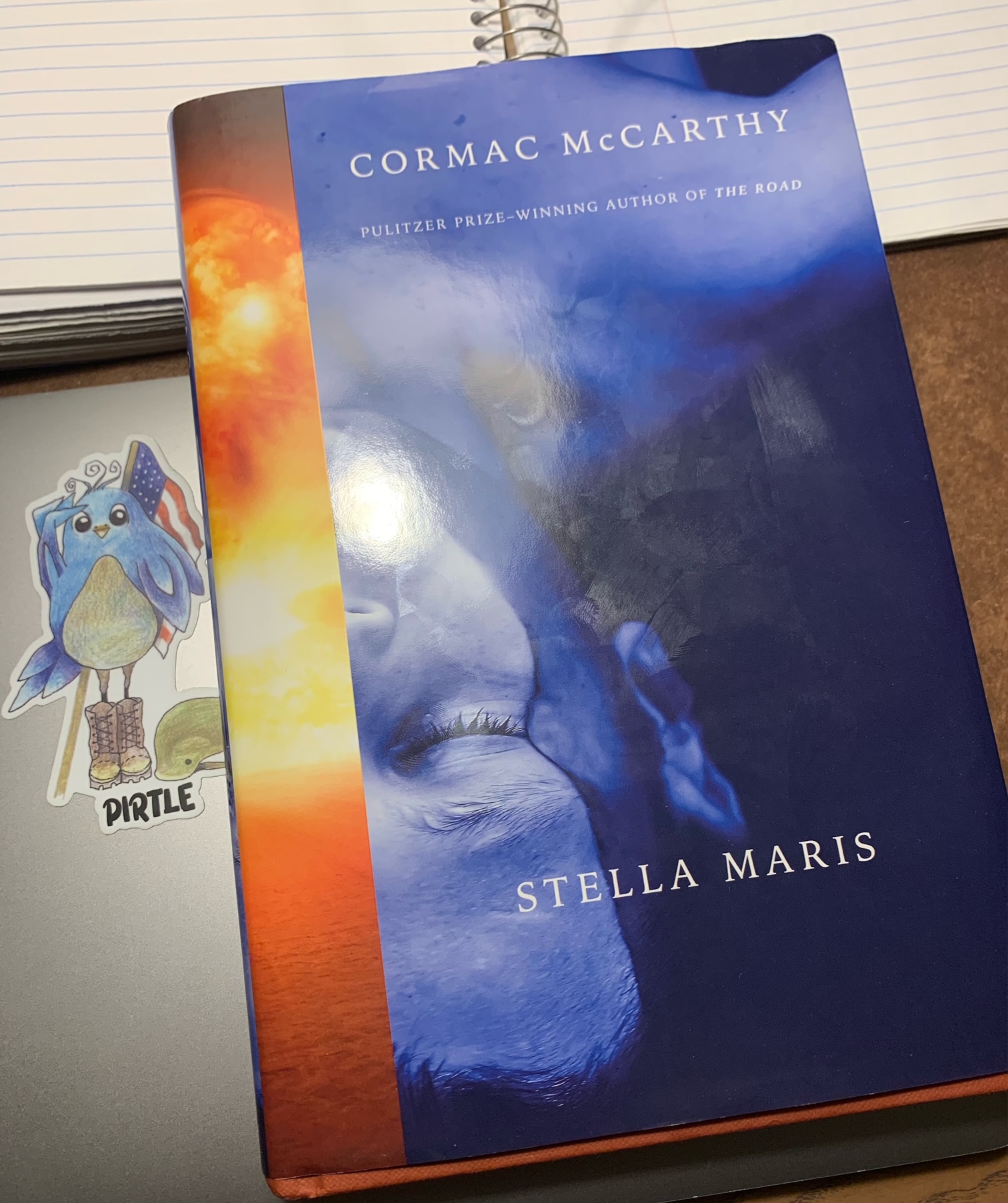
The Passenger is volume one of McCarthy’s most recent books. And Stella Maris is volume two.
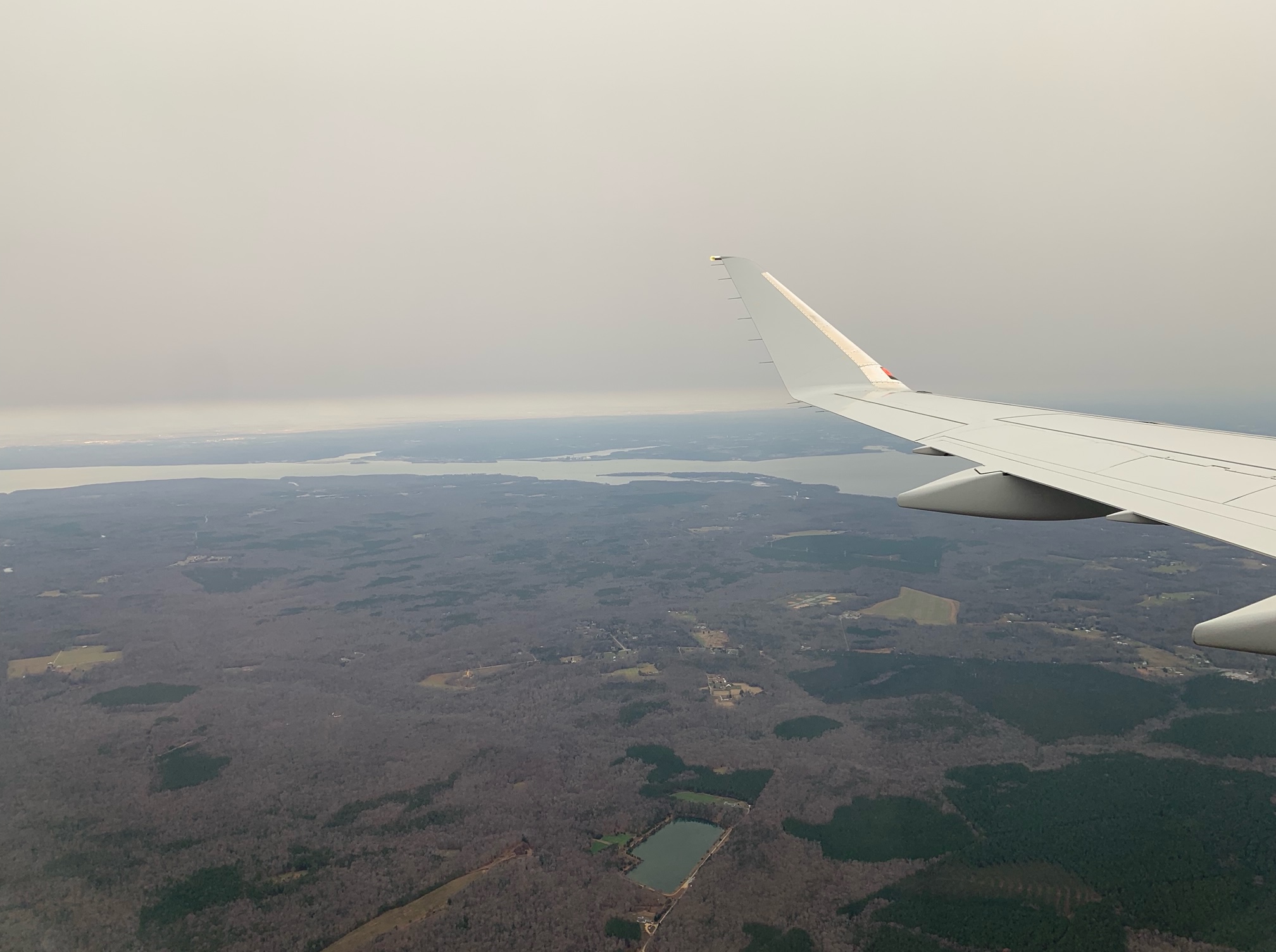
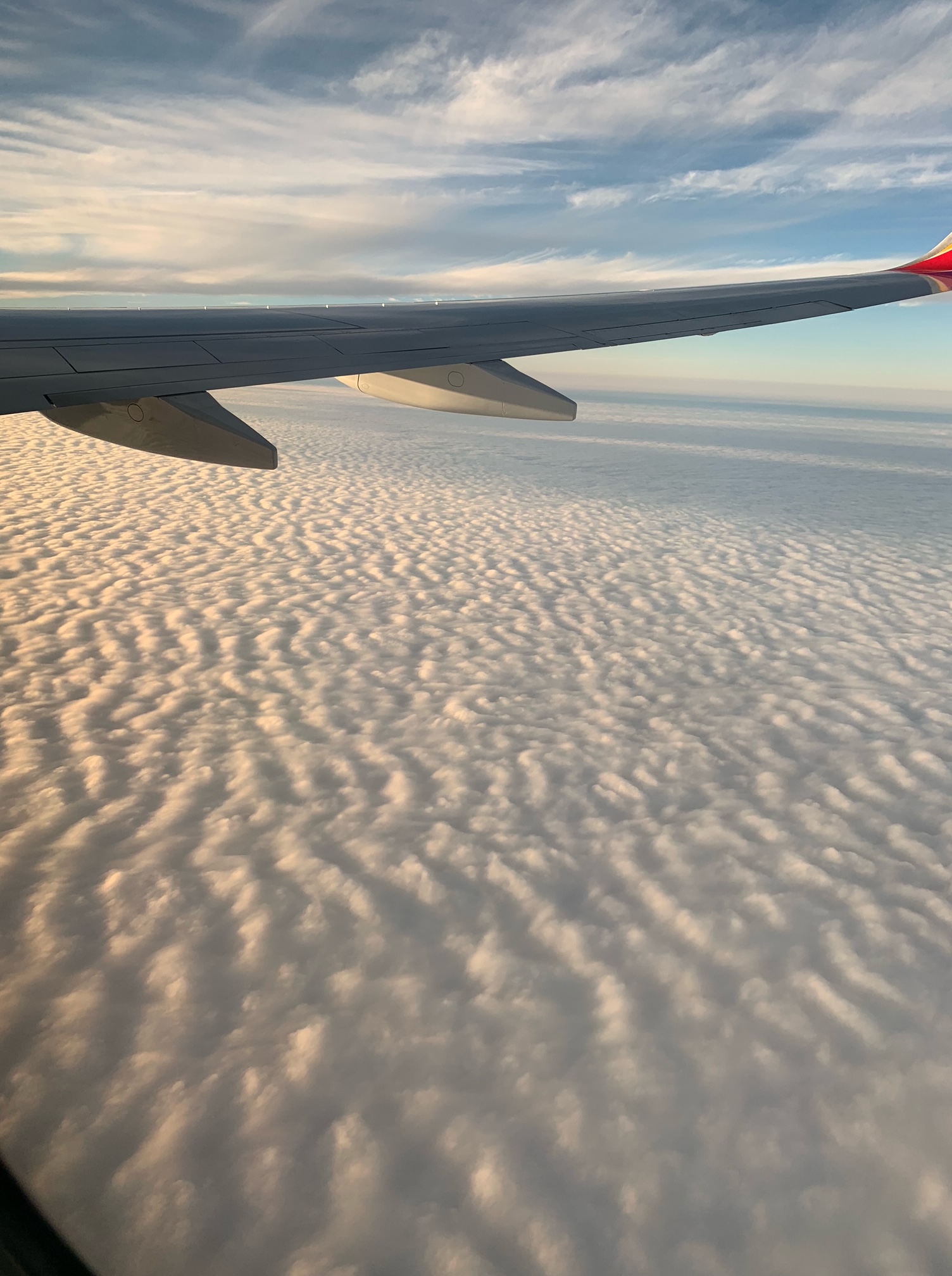
I had several hours on planes recently to read both.
The Passenger, I think, could have been trimmed. There were multiple stories going on throughout the book and they did not resolve fully. Perhaps that is the reasoning behind Stella Maris.
But when I finished it (Stella Maris) today, I looked around to make sure no one was watching me. It was that emotionally powerful.
The backstory of Bobby Western, of Alicia’s childhood, of their brilliant minds and soaring spirits, and of the lines (whether real or imagined) marking intelligence, imagination, genius, madness, love, and sorrow, the second volume is powerful.
Creation, physics, language, Bach, Oppenheimer, war, Milton’s Satan, Hamlet’s musings, mathematics, and more … it’s all here.
Though ninety percent dialogue, what McCarthy does in his lyrical understatement approaches words’ capacities to convey pathos.
What a marvel McCarthy is to the literary world.
So thankful he has followed his mad genius and brought needed light to this present darkness.
This week I read one of the most troubling books I have ever read. Its scenes troubled me as much if not more than scenes from the writings of Shirley Jackson and Edgar Allan Poe.
I do want to write about McEwan’s The Cement Garden but I need some time to settle (bad pun, given the plot of this narrative).
I am used to the depravity and violence in Cormac McCarthy’s books, but the level of grossness in The Cement Garden is, I truly hope, more imagined than real.
If there are families like this about, be vigilant. Be more than vigilant. Be suspicious.
It’s been a long few days with very little sleep for me, so please forgive the crawling pace through this, a segue into my favorite living writer’s first novel in 16 years.
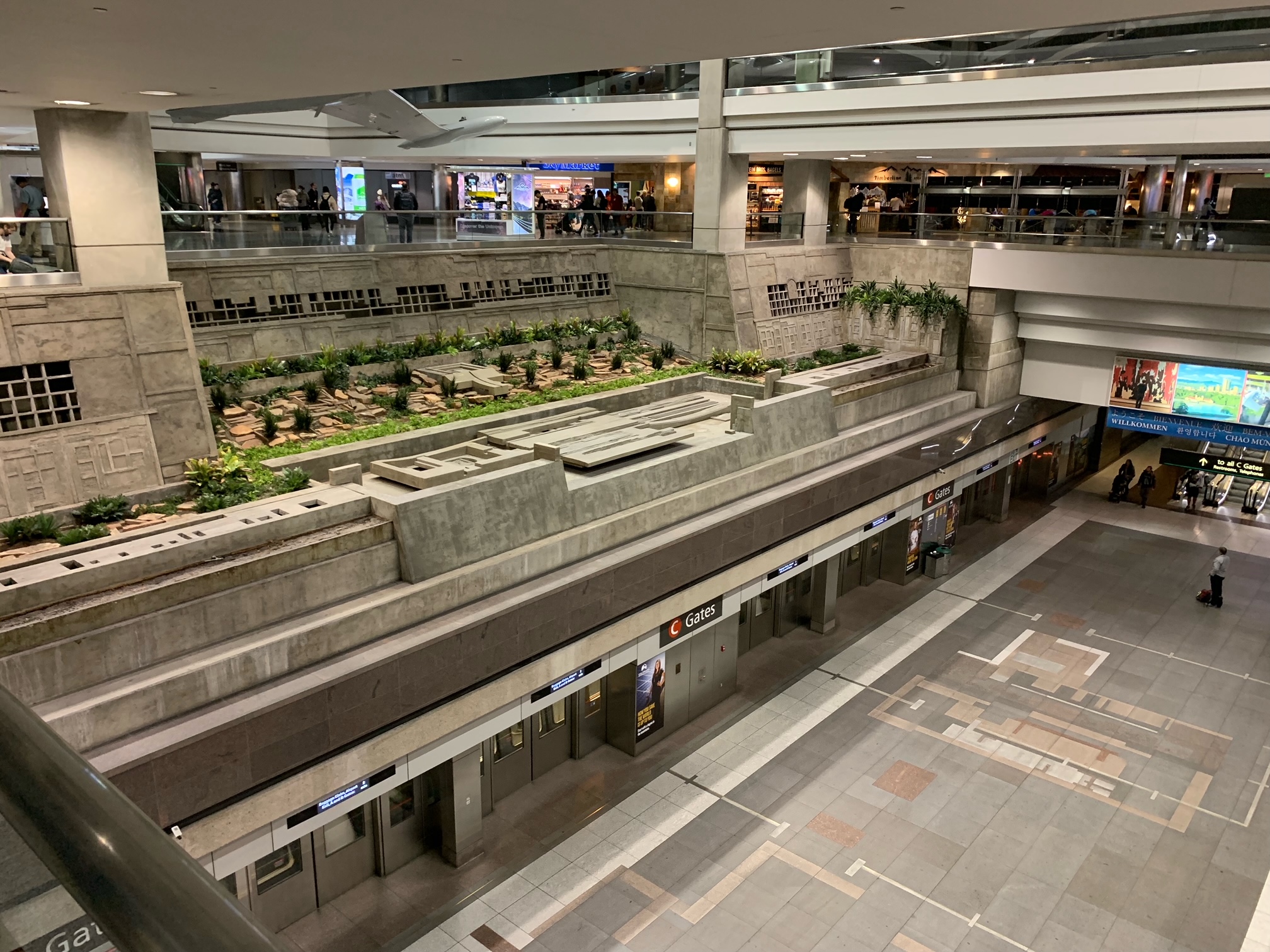
Love flying into Denver. Plains and crops and snaking waters appear from above as circles, squares, and serpents.
And in the next glance, snowcapped mountains surround the city.
And the airport, unlike the one to which I am slated to return in Atlanta, is clean. And the amenities are markedly different.
I love to watch fellow outdoorsmen with their hiking boots, fleece jackets, cargo-pocketed shorts and pants, and water bottles attached via carabiners to their rucks.
When I land in Atlanta, the smell will not be of Rocky Mountain air.
It will all be thoroughly dark when I arrive. The rudeness will be there. And the employees will be of a very different caliber.
Lord, if you tarry, land me in the Rockies; folks here have realized life’s too short to abide the attitude of Atlanta’s clodpolls.