Dickens Endures

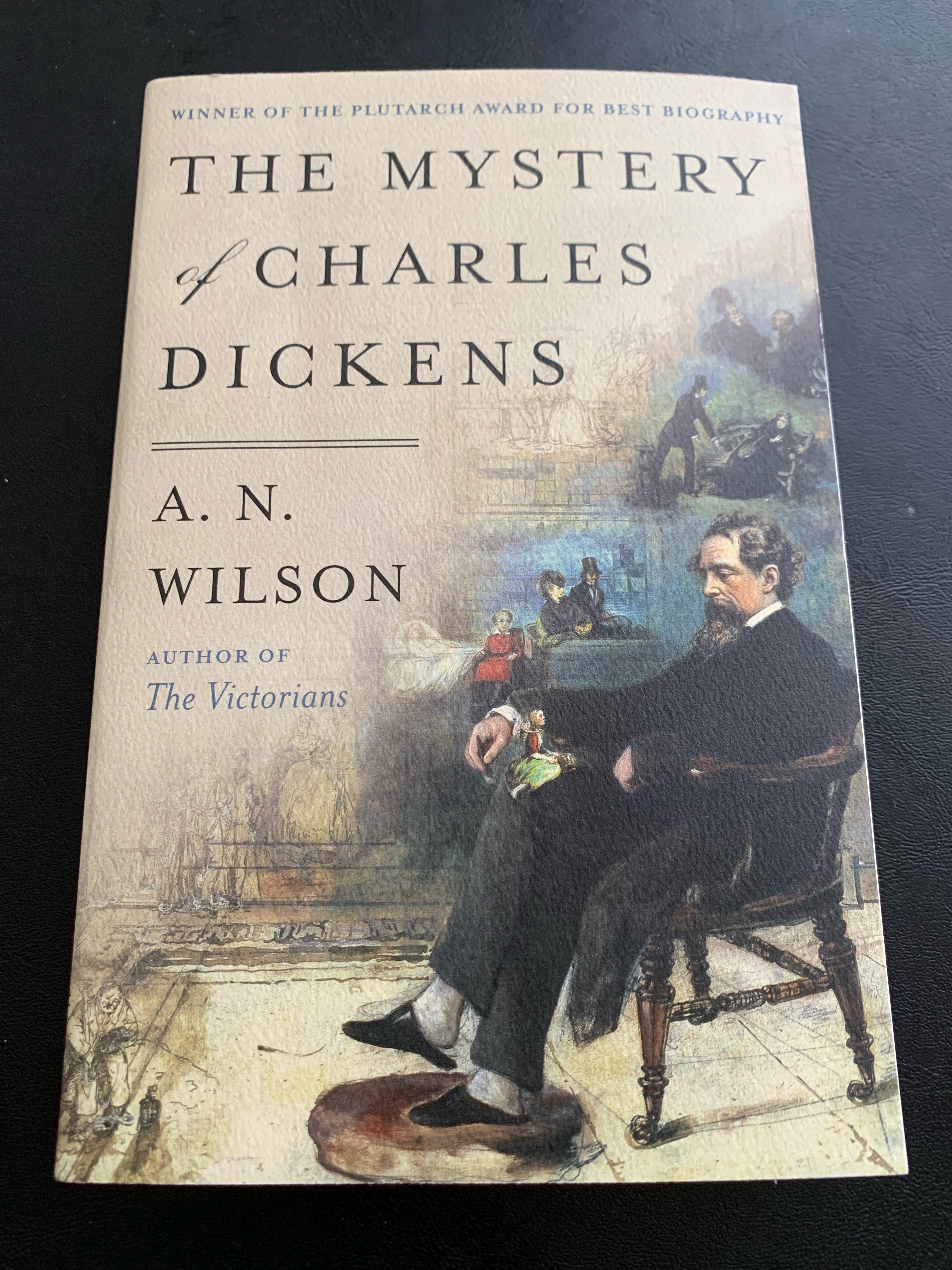
Over the Christmas holidays, a friend told me of a movie, The Man Who Invented Christmas, about Charles Dickens. I watched the movie at his recommendation. I was not disappointed. It endeared Dickens to me again. His passionate commitment to his craft stagger the imagination. Why? Because of what he endured (some of which was self-inflicted). The trials he endured are now legendary. His permanence in the canon of great literature is justified. Reading of David Copperfield, Oliver Twist, Pip, Joe, Sydney Carton, and on and on … these characters live in the literary mind just as much as Macbeth, Puck, and Juliet Capulet.

I have a handful of writers of whom I never tire. To be sure, Dickens is there. I’m now enjoying this bio of him and his work, too. Read books about Dickens, if you can. But by all means, read the works of Charles Dickens, and be enriched by them and deepened through them.

The Rolling Stones Were Right

If sales are any indication, the Stones tapped into a truth about how fragile civilization is. Here are the lyrics to one of their most well-known and enduring songs, and one of my enduring favorites:

Oh, a storm is threat’ning
My very life today
If I don’t get some shelter
Oh yeah, I’m gonna fade away

War, children, it’s just a shot away
It’s just a shot away
War, children, it’s just a shot away
It’s just a shot away

Ooh, see the fire is sweepin’
Our very street today
Burns like a red coal carpet
Mad bull lost your way

War, children, it’s just a shot away
It’s just a shot away
War, children, it’s just a shot away
It’s just a shot away

Rape, murder!
It’s just a shot away
Rape, murder!
It’s just a shot away
Rape, murder!
It’s just a shot away

The floods is threat’ning
My very life today
Gimme, gimme shelter
Or I’m gonna fade away

War, children, it’s just a shot away
It’s just a shot away

I tell you love, sister, it’s just a kiss away
It’s just a kiss away
Kiss away, kiss away

The tune, of course, is “Gimme Shelter,” written by the Rolling Stones and released on their 1969 album Let It Bleed. The album reflected the times’ cultural upheavals–Vietnam, drugs, feminism, the breakdown of the traditional family, no-fault divorce, “free love,” and the fallout and ruin that still reverberate into our day.

This morning when I perused the news headlines online, it could have been the late 1960s again. I was met with article after article, and photo after photo, revealing a cultural nihilism. Nihilism is the worldview that nothing objective underlies human values. Literally, the word means “nothing” (nihil) + “system” (ism). Truth is gone; values are gone; and of course, man is gone. It’s the natural outworking of atheism/secularism. Man is a “useless passion,” as Sartre wrote.

And what you see in the West is a culture that has largely cast off restraint, denied God, and embraced juvenile ideas of human autonomy. You’re seeing the results.

I had to laugh at one of the headlines that revealed the insanity of contemporary times. Woke mobs were whining that crash test dummies revealed sexism because the dummies used were male. Yup. For a generation that is so woke, so muddleheaded that it denies the realities of gender in one breath, but then complains that crash test dummies are not diverse enough because women aren’t equally represented, I had to laugh. Otherwise, I would not have been able to bear it.

But wait. I thought gender was just a construction? To say that female is a gender would be sexist, right? See. This is the level of buffoonery and monkeyshines replete in a culture when man worships himself. He is given over to a mind that cannot think as it ought.

The Stones had it right: “Gimme Shelter.” Why? Because intellectual children are constructing hells here on earth. Gimme shelter, indeed.

Why Kingdoms Shake

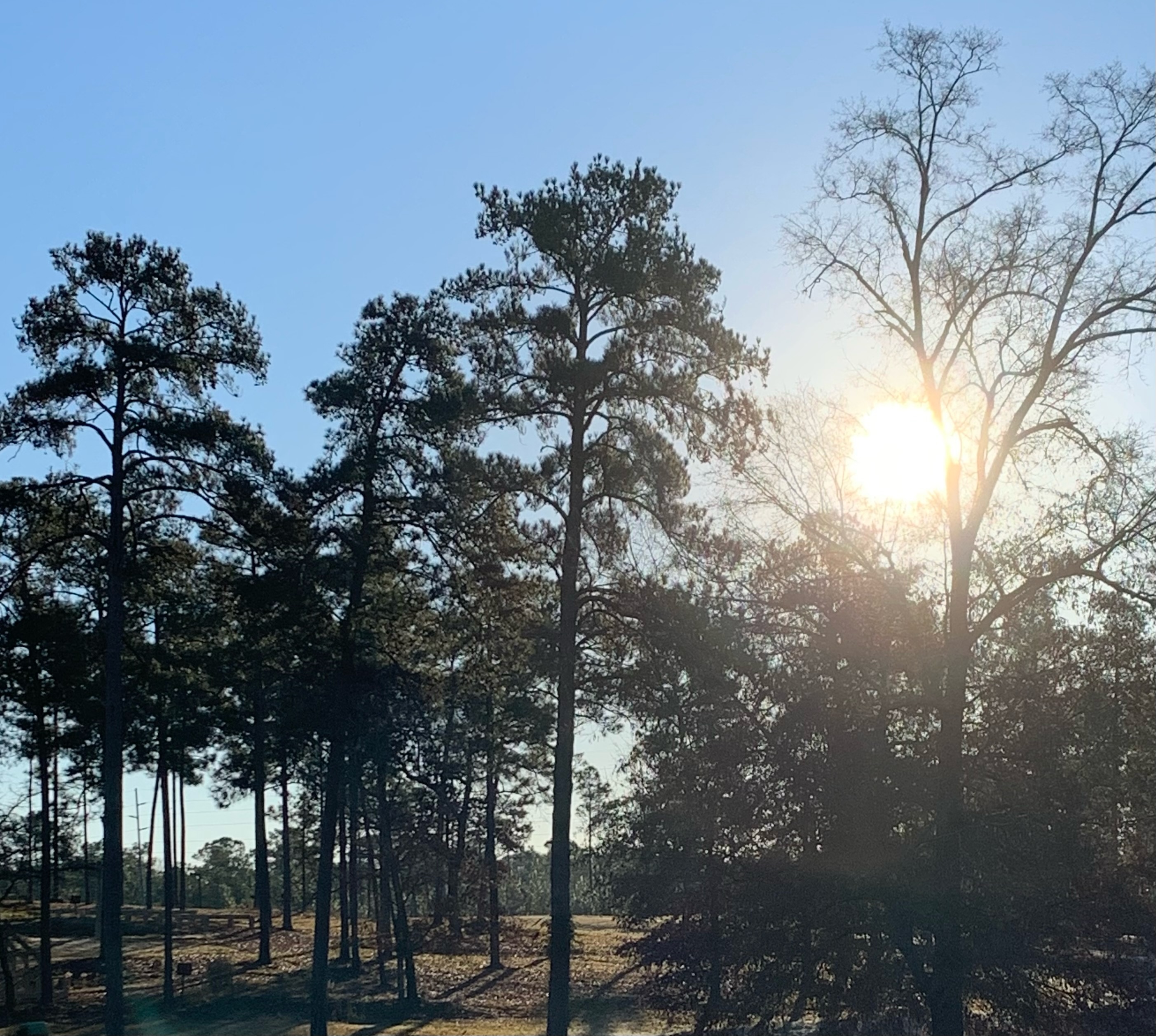
This morning it was in the low thirties Fahrenheit where I was when doing my a.m. physical training. I’d hit the gym when it was still dark but took to the running trails when dawn neared. The sun slid silently skyward from behind the pines and poured gold around. The grass was still covered with hoary frost. The sky was azure. No wind. And cold. I heard no birds and saw no wildlife. I got a few miles in and then went and had a protein shake and cooked myself some breakfast.

Later when I jumped online to catch up on the news, it was more of the same: coronavirus (99.9 percent survivable unless one is already physically weak/compromised) narratives; the staff in the White House trying to find something encouraging to spin for those who might attend to what they promulgate; and the new round of lockdowns and scenarios being forced upon the war zones of Chicago, New York, and Los Angeles.

Politicians have their narratives for the gullible. Meanwhile, reality persists. Gas prices have doubled over the last year and a half. Suicides have risen unlike any period in American history. And have you bought groceries lately? I went to Walmart this week and spent a hundred dollars and left with only three bags of food.

I don’t care for politics or many of the people who engage in politics. Their assumption is that government is god. Rest assured, if you reject the true God, you will be governed. But it will not be by the holy, omniscient, omnipresent God of the Bible. If you abandon the God of the Bible, you will find that government unhinged from God is not your friend but your slavemaster.

Things are being shaken, whether we like it or not. I was reading some well-known NT passages this morning in my studies and they concerned how this world-system gets shaken but not without reasons. Here is the way it is phrased:

At that time his voice shook the earth, but now he has promised, “Yet once more I will shake not only the earth but also the heavens.” This phrase, “Yet once more,” indicates the removal of things that are shaken–that is, things that have been made–in order that the things that cannot be shaken may remain. Therefore let us be grateful for receiving a kingdom that cannot be shaken, and thus let us offer to God acceptable worship, with reverence and awe, for our God is a consuming fire. (Heb 12:26-28)

The metaphors abound here. The kingdom of God rules over the vain attempts of men to establish their fiefdoms. And God shakes things up. To remind us that we are clay and He is the Potter, that we are dust formed from the earth by the only true and sovereign King. The Caesars of this world are temporary in their platitudes for the gullible.

God shakes things up to reveal to us our finitude, our sin, our necessity to look to the King of kings and Lord of lords, not to lesser potentates. And all earthly potentates are by definition lesser than the One whose kingdom is forever. And yet the One whose kingdom is forever became flesh and dwelled among us. That’s the King, I tell you, and He deserves acceptable worship.

That is one reason He shakes the kingdoms of this world–so that we’d see our folly and His wisdom, so that we’d see we need not trust in platitudes of politicians but in covenantal promises of the crucified and risen Lord.

No one spoke like Him, One with authority, One who was sinless, One who conquered the grave so that the kingdoms of this world would become the kingdom of our Lord and of His Christ.

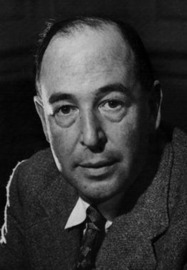
C.S. Lewis, Christmas, & Truth

It bears repeating: “Christianity, if false, is of no importance, and if true, of infinite importance, the only thing it cannot be is moderately important.” Thus wrote C.S. Lewis.  

I am in the process of reading through the works of Lewis again. I have read Lewis for years, but the older I get, the more I see how prescient he was. And there remain a few of his pieces I have never read. There are many books by C.S. Lewis that merit multiple readings. They are packed with wisdom.

We are of course amidst the holidays (holy + days, originally). But it’s by and large hard to tell, at least in many places. Oh, commercialism is nothing new. Stuff, stuff, and more stuff. It’s good for the economy but can be perilous for the soul. 

Remember who said, “I will do this: I will tear down my barns and build larger ones, and there I will store all my grain and my goods. And I will say to my soul, “Soul, you have ample goods laid up for many years; relax, eat, drink, be merry.”’ But God said to him, ‘Fool! This night your soul is required of you, and the things you have prepared, whose will they be?’ So is the one who lays up treasure for himself and is not rich toward God.” (Luke 12:18-21)

Christ was teaching via parable. And who was the protagonist in the parable? The fool. The fool trusted in the gifts in life; he did not trust in the Giver. A huge difference. And a costly one. Jesus was teaching those with ears to hear the truth that our days are numbered, and that how we steward our resources reveals our hearts. 

I cannot break myself of the habit of reading bumper stickers. One said, “He who dies with the most toys wins.” How sad. Beyond sad. Pitiable and pathetic. But that’s secularism’s toilet. Get all you can. Get stuff and then . . . well, then, it goes to another. And the cycle continues.

Lewis, reflecting the Christian worldview, understood the folly of secularism. He abandoned that worldview for Christ and the gospel of redemption. Lewis recognized that secularism (this world-ism, if you will) will leave you empty. Because it is, in the secularist’s own terms, all there is. Just stuff. You are just stuff; others are just stuff; and you’ve no reason to think you are special if you are, in fact, just stuff. No transcendent meaning; no loving sovereign Creator; just matter that does not matter.

Lewis saw the folly of secularism. He was gripped by God’s gospel. And it completely reoriented his thinking and his behavior.

Does life consist in merely eating, drinking, and being merry? Is that it? Not for the wise. But for the foolish, yes. Epicureanism suffices … for a while.

But wise men and women, unlike the fools, recognize that Jesus Christ was and is the fulfillment of God’s covenantal promises. “For all the promises of God find their Yes in him” (2 Corinthians 1:20). 

I’m almost through all of Lewis’ books in the series The Chronicles of Narnia again. They are magnificent. In reading them again after many years, I appreciate the stories still more. You see characters like Edmund, Lucy, Peter, and Susan. And of course, Aslan. The siblings depict us as we are, not as we pretend to be. And Aslan; yes, Aslan. Silent, suffering, compassionate, patient, conquering Aslan.

You see fools, too, many of whom eat, drink, and make merry—but out of a sense of defeat because they are fools. 

But there are some, it is beautiful to see, who see. They see Narnia is magically real. They see the world is shot through with glory. Why? Because it was designed by the One whose power and wisdom are infinite. 

Narnia is not, therefore, insignificant or unimportant. It is, on the contrary, crucial to see and appreciate rightly. Because Christianity, since true, matters eternally. Fools may mock it but Christ is nevertheless risen indeed. And believers across history still sing, Hallelujah. Merry Christmas. 
Lovelier Than the Tree Is Its Maker

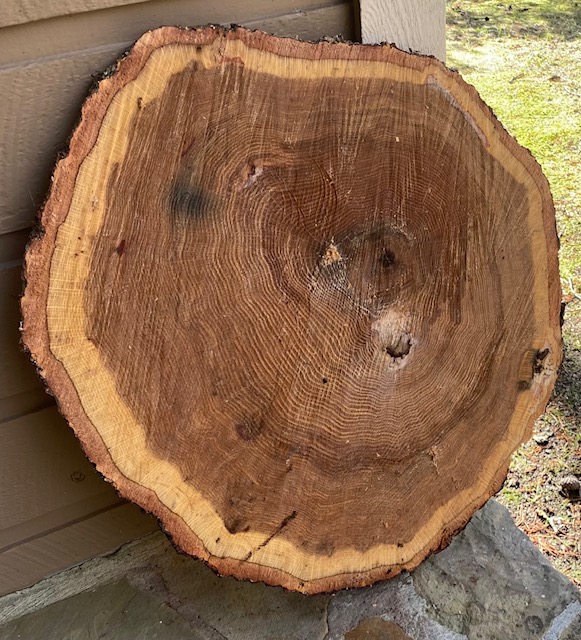
“I think that I shall never see/A poem lovely as a tree.” That’s undoubtedly Joyce Kilmer’s most well-known line of poetry from his appropriately named poem, “Trees.” This weekend my family and I had several trees taken down from around our house. The reason is that the biggest of the trees, a slice of which is pictured here, was beginning to rot. Limbs had begun falling upon our roof when winds grew strong, as they are wont to do in our neck of the woods.

Where we are is quite hilly, and when the winds race across the ridges and into the ravines, and then up from the hollows and through the tall oaks and pines which tower over the house, they get your attention, I promise. You realize weather alters landscape life, animal life, and family life. You find yourself looking skyward and speaking. Country folks might be known to have exclaimed, “The Lord is talkin’.”

Pictured below is a slice of a mighty oak that is now cut up in pieces to be hauled away. I didn’t want to have this one, or any of the other oaks, cut. I love oaks. I’ve been a tree hound for as long as I can remember, and oaks are my favorites. But this giant had lived his life and was beginning to rot and lose his limbs, so it was time for him to go.

My wife and I watched through the front door window as the men with hard hats, ropes, Stihl chainsaws, and lean muscles took the trees down. Limb by limb, section by section, guy wires pulled by seasoned men who seemed to understand all things trees, the whole scene captivated us.

The leader of the tree crew was a very kind man. After I awkwardly apologized for staring at them, he said, “Don’t worry. Some folks have pulled up their lawn chairs and watched us all day. We just appreciate your business and y’all calling us.” I liked him even more after he spoke. He loved what he did. He studied the angle of the tree, its strong and weak areas. You could see his mind working the whole time. In his fifties, he still worked like a twenty-something. His skin was leathery from years of sun; his hands were strong; he had Popeye forearms from working with chainsaws for years. His saw seemed a natural extension of his mind, the tool for a tree craftsman.

Eventually all the trees were brought down. A part of me was sad to see them come down, but it had to be for the safety of my house and family. The piece pictured here is impressive. It’s the circumference of one section. I could smell the freshly cut oak. It’s one of the sweetest smells I know: timber.

I looked at the colors, too–how they went from tan, chestnut, beige, brown, black, toffee, honey-colored, etc. And the rings, too. The more you study trees, the more there is to learn–their age, the ways they reproduce, how much light they need, why they grow where they do, the reasons they’re so valuable, et al.

Scripture is filled with tree imagery. God put trees in Eden (Genesis 1:11; 2:9). Christ was crucified upon a tree (1 Peter 2:24). The verses Leviticus 26:3-4 continually strike me: “If you walk in my statutes and observe my commandments and do them, then I will give you your rains in their season, and the land shall yield its increase, and the trees of the field shall yield their fruit.”

Joyce Kilmer struck a chord in his poem. If trees can be so beautiful, how much more beautiful is their Maker?

Bridges, Paths, & Stages

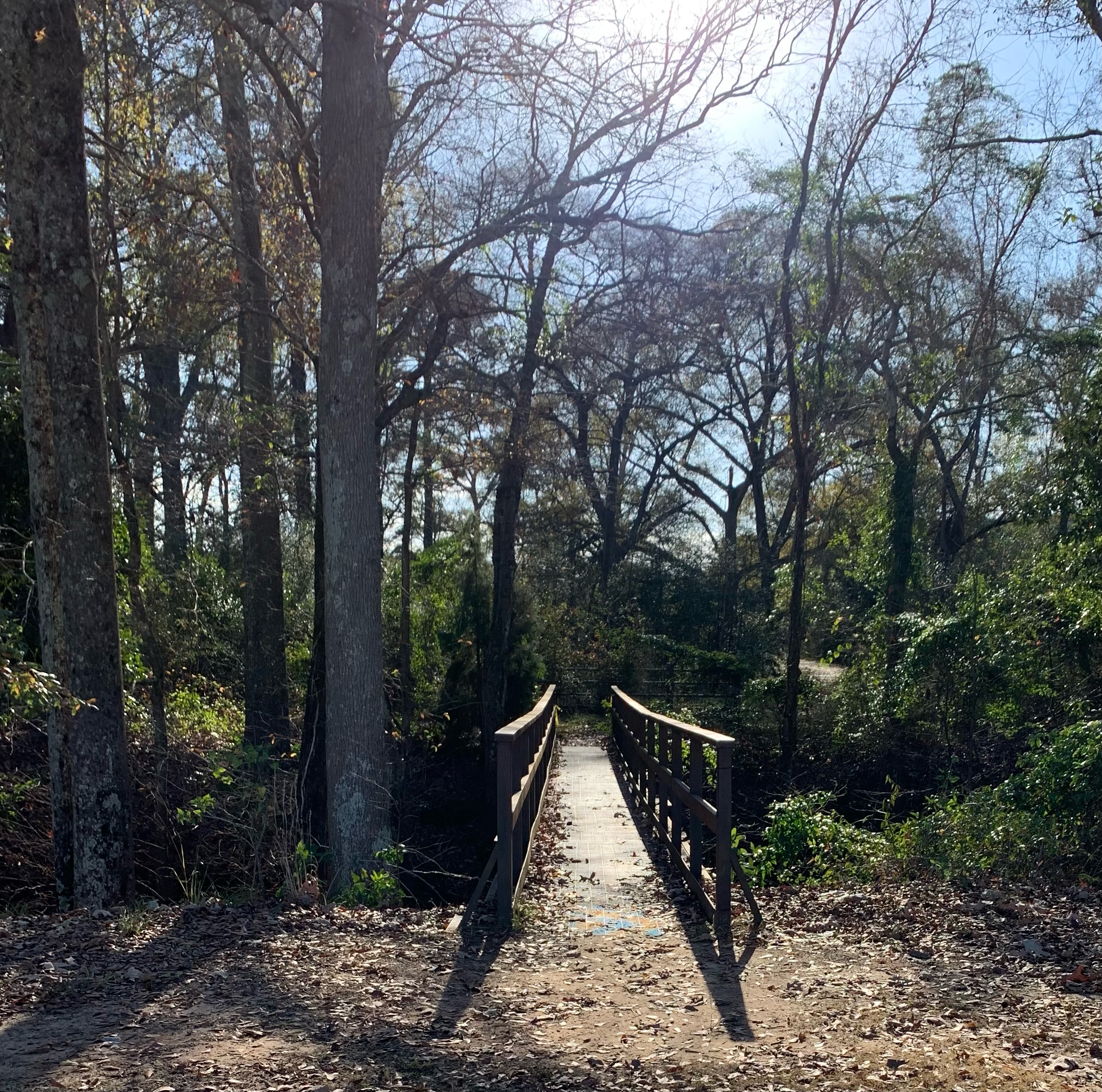
One of the places I jog and walk often has several little bridges over a branch that runs underneath them. I’m a sucker for bridges and water, and it’s even better if there are hardwoods nearby. Seems a perfect convergence to my soul. It has been so dry lately that you can sometimes cross the branch without the bridges. The wildlife trails are plentiful. You can see impressions of deer hooves from the nocturnal whitetails that graze the fields at night; the impressions in the sand are like stenciled marks saying, “I was here first.” Gray squirrels along the branch scurry plentifully where varieties of oaks shower acorns in abundance. Raccoons nest here, too. You can see them at night if you shine your flashlight upon them. Their eyes glow back at you as if lit from within by white candles.

The little bridges cross you over the branch onto further running trails. You can see moms with strollers holding their infants and toddlers, soldiers in boots with rucksacks packed heavy with gear, often training for rigorous military schools, long-distance runners who move as lightly as the whitetails, and relaxed walkers with their earbuds in. I suppose there’s a lesson here–perhaps of our seasons. First, we are strolled by our mothers. Later in life we may find ourselves pushing our bodies physically to their limits. Then there’s a season where we are no longing running but walking at a leisurely pace.

In As You Like It, one of the Bard’s plays, Shakespeare phrased it this way:

“All the world’s a stage/And all the men and women merely players;/they have their exits and their entrances;/And one man in his time plays many parts,/His acts being seven ages.”

It’s interesting to me as a I jog, and see, and am seen–to ponder the paths we spend our time and energies upon, and for what purposes. “There is a way that seems right to a man,” Solomon wrote about, but there is more to that sentence he penned with his typical wisdom. It’s important to trace the ways/paths/trails/roads to their end-states. Solomon’s last words in Ecclesiastes were his most important, after all. He had learned some profound things and was compelled to share them, almost as if they were bridges to sagacity.

Christmas or Season of Shenanigans: Words, Words, Words

“Merry Christmas,” he said.

“Happy holidays,” she said in return.

“Season’s greetings,” retorted a third.

“Who’s going to the Christmas party?” asked another.

“Shhhh!” said a bystander. “You can’t say Christmas. It’s holiday.”

Confused yet?

If you want to see cultural, spiritual, intellectual, and moral confusion, look at the culture’s use of language. What words are you still free to use? Which ones are now suddenly inflammatory or dangerous? What words are off-limits?

I am currently teaching a group of men the doctrine of Christology–that Jesus the Christ took on flesh in His incarnation, that He was conceived by the Holy Spirit, born in the natural way via Mary, lived a sinless life, made an atoning death in His vicarious substitutionary death at Calvary, was buried, was three days later raised bodily (just as Jonah was three days in the belly of the great fish and was resurrected onto the land), was seen by hundreds of eyewitnesses, spoke with His disciples and others, was touched by Thomas, ascended to heaven, and will come again in glory and judgment. In short, Jesus was and is God in the flesh. He is the God-man … 100% God and 100% man. God has come down. He has made Himself known. God is not silent.

And yet what you see happening in the realm of language is man’s salvo of efforts to keep God quiet, to suppress God’s revelation. “Don’t say Christmas.” Really? But I guess you still want to take your Christmas holiday, though, right?

Why? It’s just another day, right? If God really didn’t take on flesh in Bethlehem, wasn’t really raised in Nazareth, didn’t really die a substitutionary atoning death for all those who were to believe upon Him, then what are you so anxious about? Just go to work, don’t worry about believers saying “Merry Christmas,” and admit that you cannot explain the calendar you go by, much less any coherent theology.

Recognize that your suppression of speech reflects your theology. You worship the creature rather than the Creator, who is blessed forever. Amen.

I am by no means making an argument for 25 December being the heart of the matter. What I am arguing for is that God came to His own and men loved darkness rather than light. And that explains what you see in substituting “holiday” and “season” for Christ, Christmas, and the Christ-stamped universe He graciously permits us to traffic upon each day.

At First Light

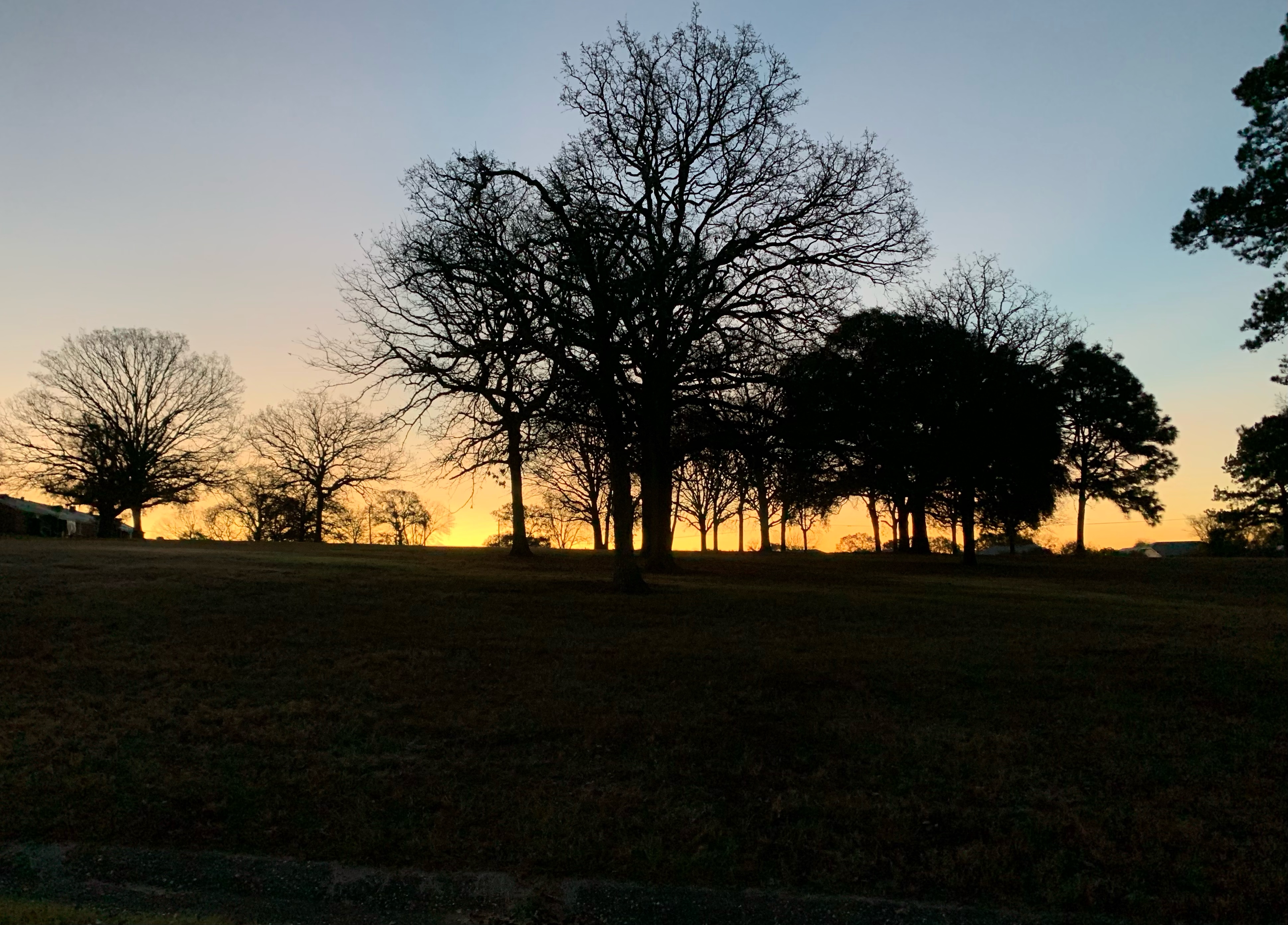
My favorite time of day. The sun dispels the darkness. Inch by inch, the frost melts, the birds sing, the early joggers take to the trails and paths. Potentiality is the thought that pervades my mind. Not to waste the day but to use it up faithfully by one’s vocation. Faithfulness is all.

Astronomy & Two Ways of Seeing

I wish I had paid closer attention in astronomy class when I was a college student. It was one of my hardest classes in my undergraduate years. I could blame it on the fact that I was studying English and philosophy. I was engrossed in the poetry of Eliot and Yeats, Shakespeare’s plays, the early fiction of Joyce, and the works of Faulkner and Flannery O’Connor. And having to sketch maps of the night skies for astronomy class seemed (at the time) like busywork, something to occupy a student’s time, work the professor assigned so he would have more time to work on his book and earn tenure at the university. I did eke by in astronomy class, glad it was behind me so I could devote my time to literature and philosophy. Now, many years later, I want to go back to my astronomy professor and apologize. I want to tell him that just within the last 36 hours, I have looked up again and again at the heavens. I have gotten online and tried to relearn the names of the constellations. I have tried, like a child, to trace the Big Dipper and Little Dipper with my forefinger on these clear nights. I have tried to learn the names of all the phases of earth’s moon. I have tried to understand the whys and wherefores of the Milky Way. I have studied Polaris.

My mind naturally tracks more with mythologies and the ways in which literature uses the heavens, the stars, planets, galaxies, etc. figuratively to comment upon the human condition and our place under the heavens. But I am beginning to understand now, Dr. H. (my former astronomy professor of many moons ago), why you were so captivated by the heavens. I am now, too, but perhaps for different reasons. You used to lecture us college kids on the mathematical precision of the heavens. You told us physics explained everything–that everything was reducible to math. We were children in our thinking then. We imbibed your pontifications about materialism.

But when I walk out now and look up at the heavens, I see the same sky as you but have much different views. And I have some questions for you:

  1. Why do you think there is order in the universe?
  2. How do you think it got ordered?
  3. Why do you trust your own mind?
  4. If everything is physical/material, how do you explain your passion to write a book about physics?
  5. Why should we believe you if we are all just matter in motion?
  6. Do you think it’s possible that the heavens, the precision of orbits and cycles and the lives of stars and planets and galaxies, and the fact of our wonder at their majesty, could be Authored? Are you even open to that possibility?

I know it’s an old joke about how we English majors write poems and stories about the heavens, and the physicists describe the heavens. But is it possible that neither of us has fully explained the heavens? You see, one writer named David phrased it this way: “The heavens declare the glory of God, and the sky above proclaims his handiwork” (Psalm 19:1).

It is possible, Dr. H., that God exists and that He is far from silent, that He declares Himself, His majesty, His nature, and that creation–the heavens and all of us under them–speaks of the Creator?

I don’t know where you are now, former astronomy professor, but the more I look at the heavens, and gaze with childlike wonder at their vastness, I know even a child would not deny that such a story has an Author.