
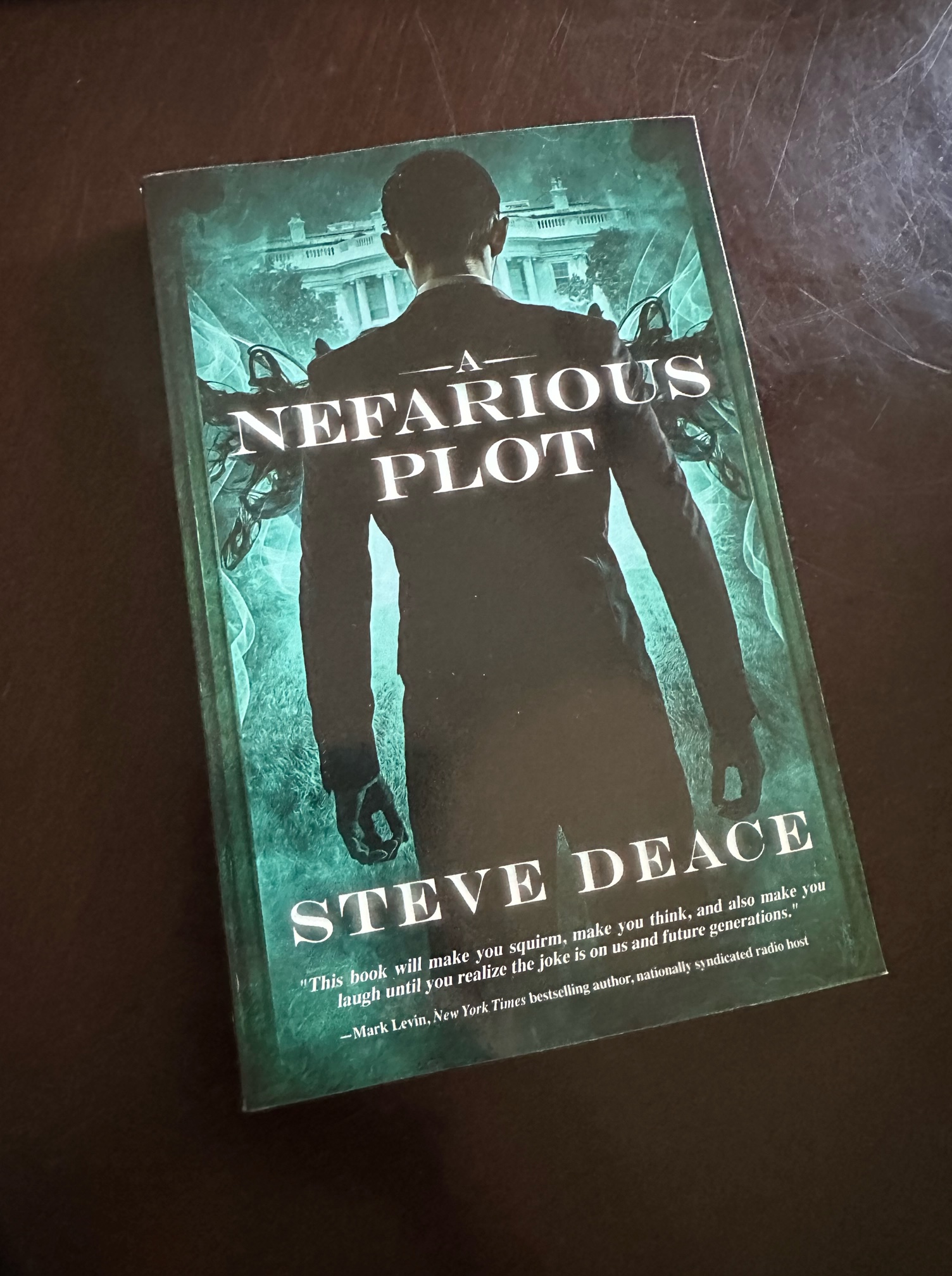
I thank God for Steve Deace.
The movie Nefarious hits theaters 14 April.
If you’re familiar with C.S. Lewis’ The Screwtape Letters, you’ll have an idea of what Deace is exploring in his book and film.
If you are aware of spiritual warfare; if you know viscerally and not just existentially that good and evil, angels and demons, God and Satan are real–I commend Deace’s work to you.
Pastors, take your churches to see the film.
Have your schools read this book and watch the film. Bring a skeptic. Buy the book for somone you love and who will read the short novel.
It is that important.
Camouflaged as an angel of light: I remember watching a film many years back that I thought had one of the best lines ever in a movie: “The greatest trick the devil ever ever pulled was convincing the world he did not exist.” Great line. Solid theology. And one more reason to read this book and see this film.
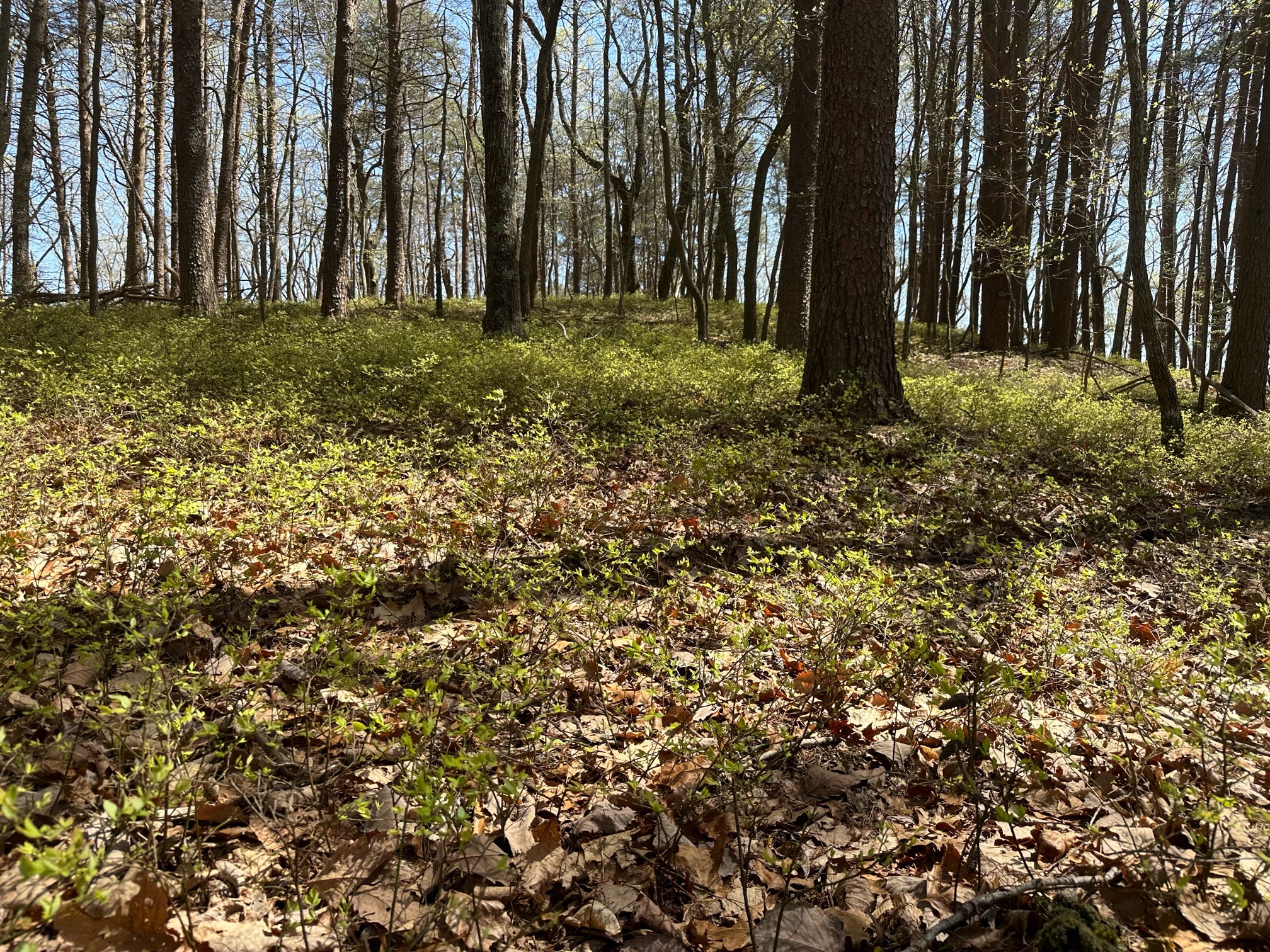
After I graded some papers, my head was about to explode due to the poor grammar used by some students. My wife, knowing my temperament when it comes to all-things-grammar, said, “You need to go hike. Now.” So I heeded her advice and took to the hills.
I saw deer, felt the spring wind, met some fellow hikers, crossed the streams, and …. well, I’m just about ready to rejoin civilization. Well, not quite yet. Just a few more miles.
Now, about that grammar thing …
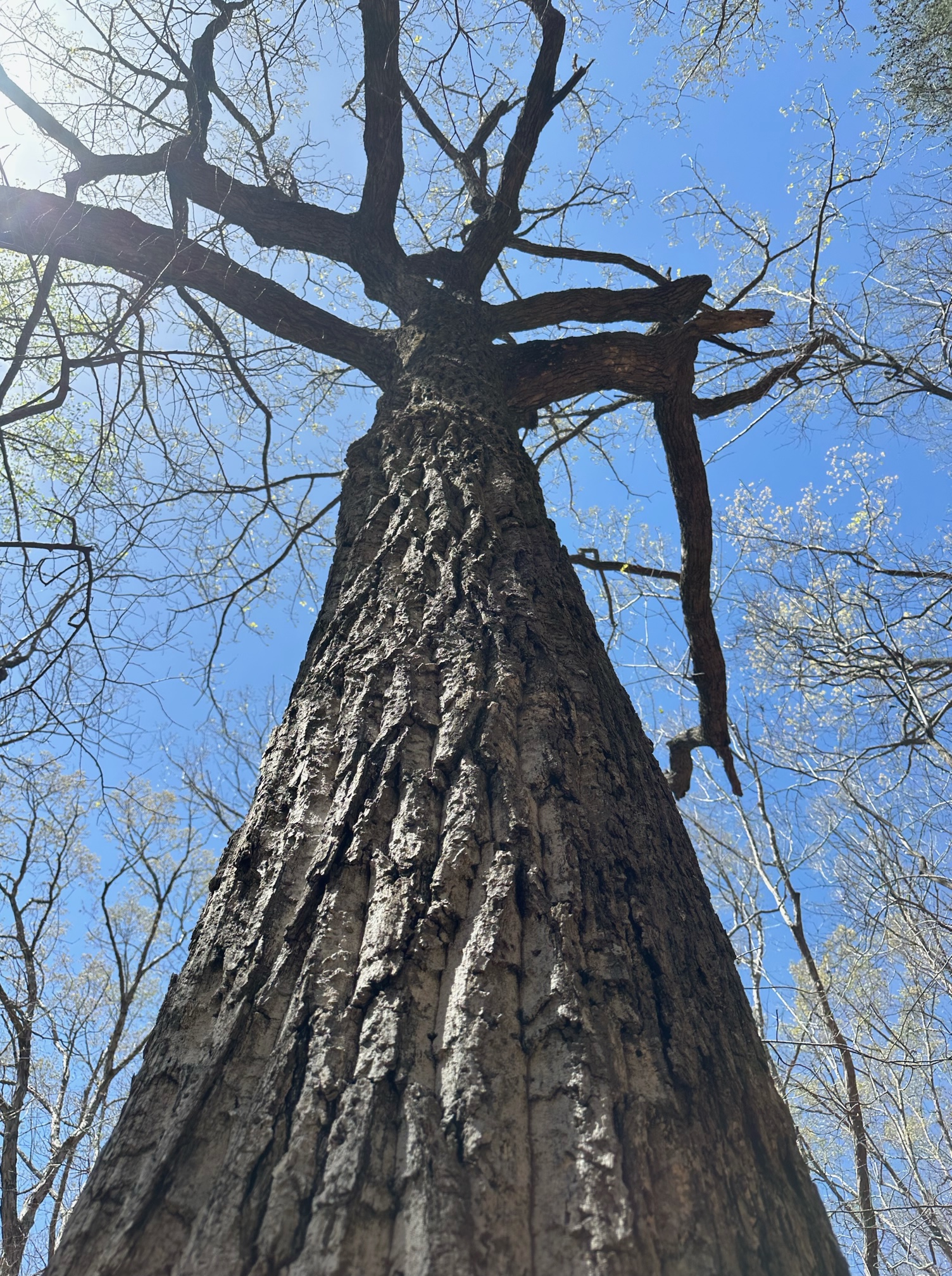
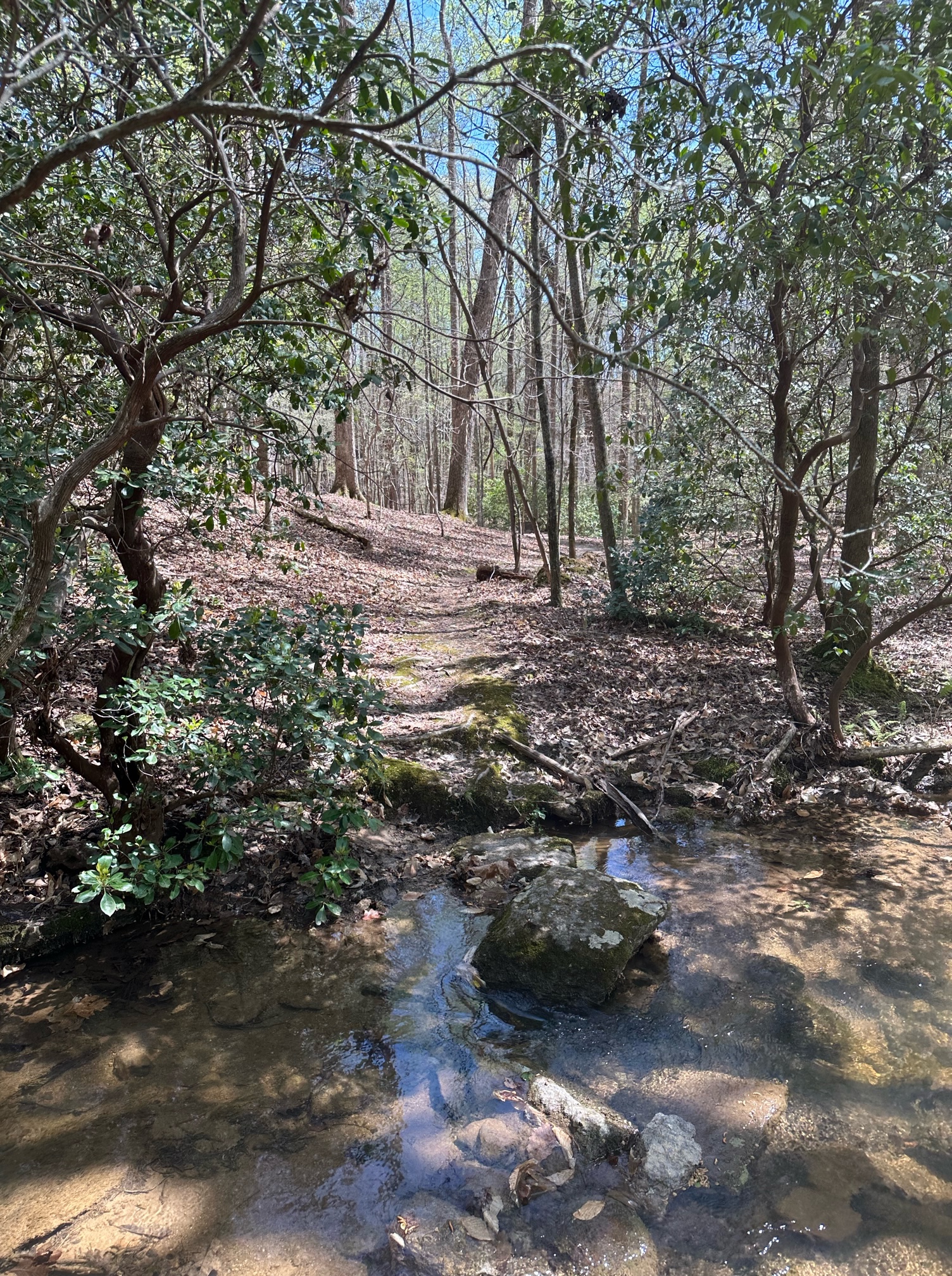
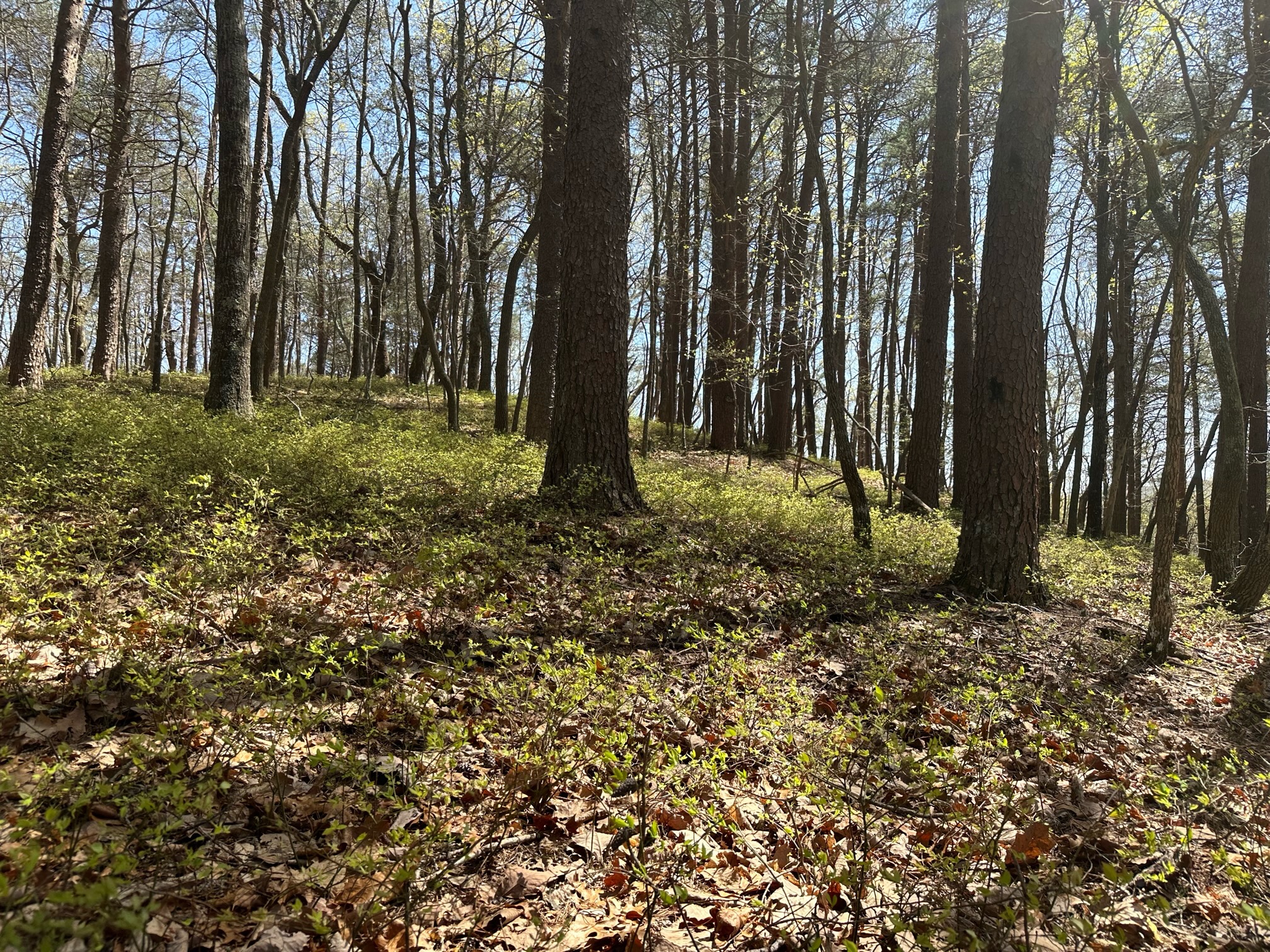
Have you ever hiked and had that feeling you were being watched?
So have I.
Enjoy.
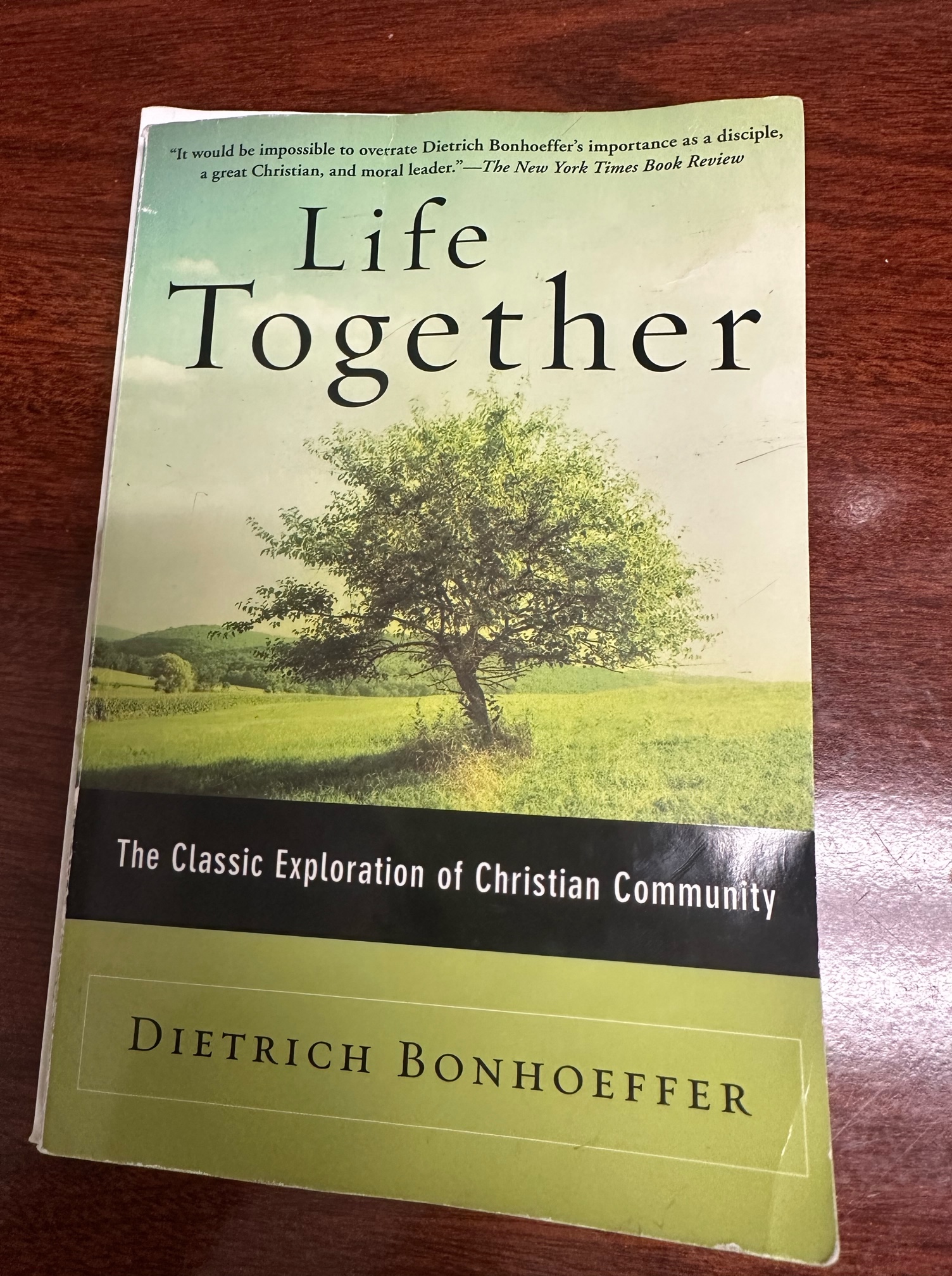
Bonhoeffer is quoted a lot. I am familiar with folks who use Bonhoeffer as part of sermon illustrations, especially if they relate to Christian discipleship. I have done that very thing myself. But reading his works provided me a new appreciation for him. Why? There did not seem to be a schism–a divide/separation/gap—between Bonhoeffer’s orthodoxy and orthopraxy. To put it perhaps too plainly, he practiced what he preached. He was not a ‘Sunday Christian’. He was a Christian.
Some folks want to continually divide over Bonhoeffer’s role and relationship to the planned assassination of Hitler. But no matter how many times I read Bonhoeffer’s writing, and I read of his fellow prisoners’ testimonies of Bonhoeffer’s faithfulness to them as pastor, theologian, suffering servant-shepherd, Christian, martyr, et al, I am moved to the depths.
He was a sinner, no doubt. His theology was imperfect. Who among us does not have blind spots? He was the first to admit his need of Christ as Savior and Lord. But he put skin in the game. He walked the walk. And he was hanged for it. And some of us still read him today. Because he was the real deal. And in a world of staggering pretense, facades, and inane superficiality that all characterize our thoroughly pagan, largely illiterate, degenerate society, it’s refreshing to see that some men knew what it meant to count the costs of being a believer and being obedient to the end.
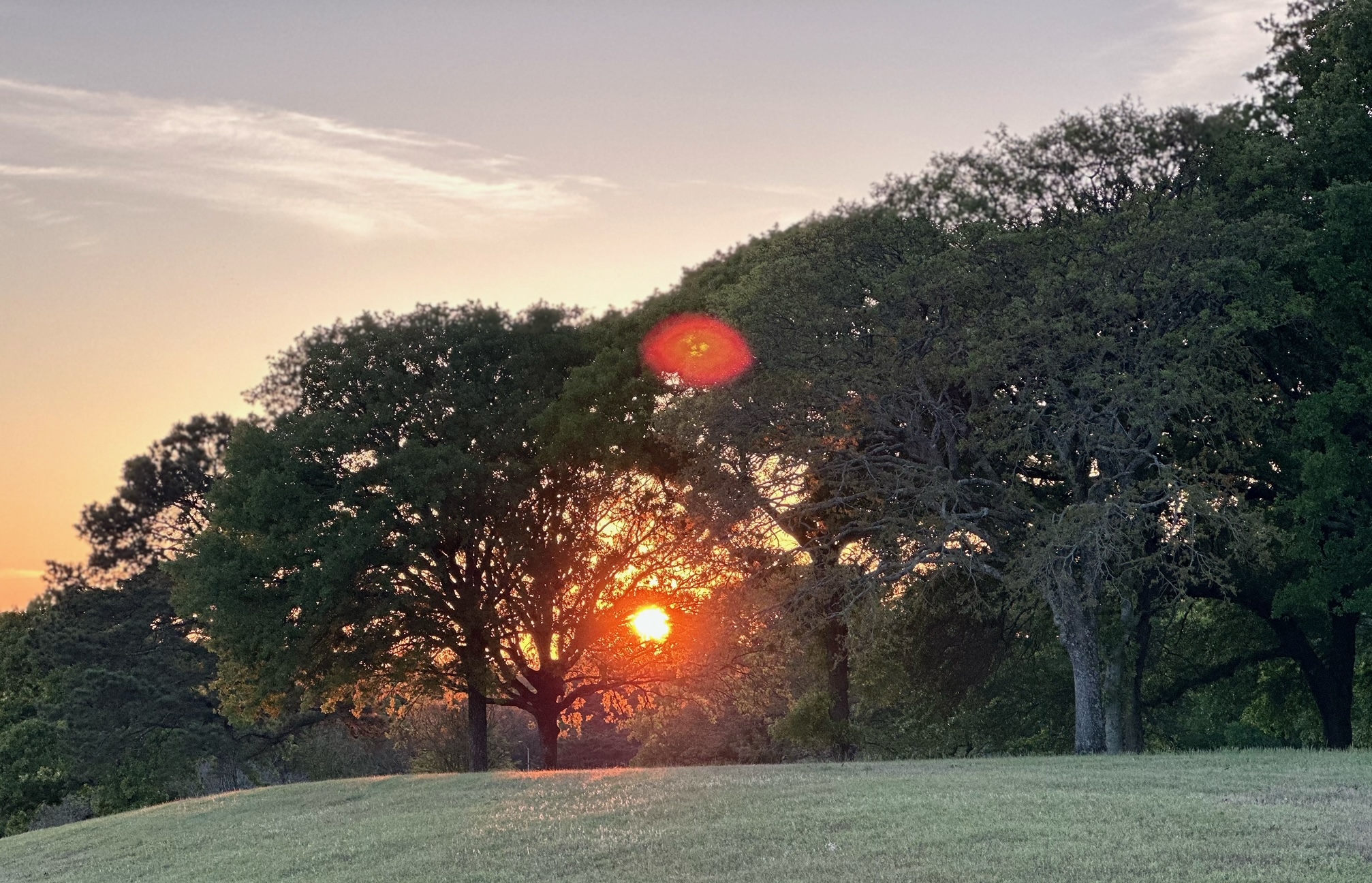
Driving home: It was after 7 p.m. and I was driving to my apartment. As I turned left onto the black macadam road leading there and crested the hill a few seconds later, I was driving into the setting sun. It blazed brightness beyond description. Pines and hardwoods at the bottom of the hill where the river ran. Thick and green, the timber contrasted with the sun, where it sank slowly golden like a coin into the slot of the brown river. A visual poem. No work of man, this.
Ministry Then
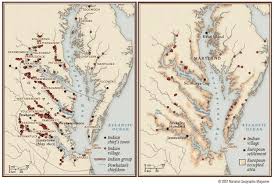
Chaplaincy in 1607 Jamestown, VA: As part of some of my ongoing personal and professional learning/development, I was studying Christian ministry in Jamestown, VA in 1607. Specifically, I was reading about a Christian chaplain named Robert Hunt. When the Pilgrims were landing in Virginia, Jamestown and much of the rest of Virginia was sick. Malaria was devastating the region. The physical constitution of most English Pilgrims was shaken and often defeated by the heat and humidity of Virginia. Because life and death were not just ideas or theological terms, Christian ministry was viewed as essential.

And then I read this about the Christian chaplain in their midst, Robert Hunt: “But there was one man, a preacher named Robert Hunt, who was conspicuously different. Every Sunday, from behind a plank nailed between two trees, he preached to a small congregation shaded under the canopy of an old sailcloth. During the week he cared for the sick and dying, and he labored more than his share of the time at the building tasks. How he had time to supervise the building of a grist mill, one only wonders” (Sidwell et al. 1991, 5).
I paused and tried to picture that—a plank nailed between two Virginia trees. And the roof of this church in the wilderness was sails from ships. His fellow Pilgrims were dying left and right and were wrestling with the issue of death and judgment. They had wagered everything to come to America in order to worship without government interference. And the chaplain/minister in their midst opened the Scriptures to them and ministered to them spiritually and physically the words and deeds of life.
When the ships Susan Constant, Godspeed, and Discovery left England in December of 1606 and sailed to Jamestown, VA, storms battered the ships. The selfishness of some of the passengers came out in their fears, but Chaplain Hunt ministered to them, prayed with and for them, and many made it to Virginia. John Smith penned these words about the minister Robert Hunt: “He was an honest, religious, and courageous Divine; he preferred the service of God to every thought of ease at home. He endured every privation, yet none ever heard him repine.
During his life, our fractions were oft healed and our greatest extremities so comforted that they seemed easy in comparison with what we endured after his death” (Sidwell et al. 1991, 7).
Ministry Now
Chaplaincy in the 21st Century: We don’t read of malaria nowadays in Virginia. And Jamestown is long-settled. And the Pilgrims are now often ridiculed as patriarchal, white supremacists, and religious extremists who vanquished Native Americans, and stole land. That’s the indoctrination agenda with which ignorant students are inundated nowadays. Nine military bases are being renamed because their historical names denote actual historical soldiers like Confederate general Henry Benning and Confederate general Braxton Bragg. But it’s being changed. Ft. Benning is to be renamed Ft. Moore, after LTG “Hal” Moore, certainly a military hero for anyone who knows anything about the units he led. And Ft. Bragg is being renamed Ft. Liberty in June 2023. Nine or more military bases are being renamed.
There is a battle going on for the dictionary and for history. Rather than learning from history, some forces wish to vanquish it and rewrite it. Changing the names does not make history go away, but it does lead to a continued dumbing-down of students. It grieves me and I hope it grieves others. We’re in a place now where kids don’t know their gender or cursive, but they’re quite sure that they’re victims, that America is full of racists, and that the urchins are both offended and pampered.
It is folly, of course. It is laughable and pitiable and heartbreakingly sad. But that is the state of things in many places. So where does chaplaincy fall? What can a called Christian chaplain say or do to be part of hopefully bringing sanity, hope, and truth to such a state of affairs? Should he be like the new Chief Chaplain at Harvard University? He’s an atheist. Here’s a link to that reality: https://www.nytimes.com/2021/08/26/us/harvard-chaplain-greg-epstein.html That is a dead end, certainly.
My Hope: My hope is that God is raising up men of courage and conviction who will speak the truth in love to all. In Scripture, 1 Chronicles 12:32 references such men: “Of Issachar, men who had understanding of the times, to know what Israel ought to do . . .” Men who understood their times. Men who knew. Men of courage. Men of conviction. Men of the truth. Chaplain Robert Hunt, actual history records, was faithful under fire, when truth was on the gallows, when he was most needed. And though I cannot locate a single book about him, he was a remarkable servant, minister, and chaplain. May God be pleased to raise up legions more like him for such a time as this.
A Memory of Seminary Years: My favorite professor during my seminary years was Dr. C. He was a medical doctor (an OB-GYN) before he left full-time medical practice to teach seminarians and our spouses. He and his wife mentored scores of us by way of their love for the Lord and for one another. Dr. C. (and Mrs. C.) were among the most gentle folks I’ve ever known. Dr. C. has since gone on to be with the Lord but I can still see his face in my mind and hear his voice and his pastoral demeanor. And Mrs. C. still communicates with my wife and encourages her, even across the many miles. Dr. C. used to tell us his favorite New Testament verse was Ephesians 4:32, “Be kind to one another, tenderhearted, forgiving one another, as God in Christ forgave you.” And that was his nature. You knew what he was like by what he did.
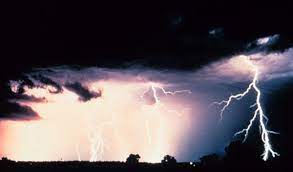
Lightning and Thunder (Heralds): Last night where I was, a massively violent thunderstorm passed through the area. (Actually, it’s still going on as I write.) The lightning was so bright, so formidable, so terrifying, that it was impossible to sleep. Even being deaf as a stump as I am, I could hear it and could not sleep through it, even though I knew I had to rise at 0400 to begin my day. The night sky continually lit up in webs of electric flashes that would shame any 4th of July Independence Day celebration for us Americans. And the walls of my little apartment shook. I could see my water bottle on my bedside table shake where it lay beside the Dickens novel I’m reading. There was no way to avoid the lightning. It was simply there, for all to see, overwhelming in its power and terror and, dare I say it, beauty. The thunder and lightning heralded greatness. It was as if the heavens were declaring the glory and greatness of something or even someone.

Connection to Scripture: One of the psalms we’re about to go through in our Sunday school class is Psalm 90, a psalm penned by Moses. The imagery in the psalm is not hidden: mountains (v. 2); dust (v. 3); flooding (v. 5); and especially of the myriad contrasts between God’s eternal power and being vs. man’s temporality and dependence. Verse 10 reads like a line out of the Three Witches in Macbeth: “The years of our life are seventy, or even by reason of strength eighty; yet their span is but toil and trouble; they are soon gone, and we fly away” (Psalm 90:10, ESV). Again, it is the overwhleming obviousness of God’s nature demonstrated via God’s creation. Dr. C.’s nature was demonstrated by the ways he treated us as seminarians and as husbands and fellow pilgrims. Mrs. C.’s mentoring is obvious because she still checks on my wife and our family, even after all these years. The lightning last night, and even now, jolted me all night out of any of my plans to sleep. No, it was as if God was shaking things up in order that I might listen, make take heed, might attend.
Moses’ Prayer: One of my go-to verses of the Bible is Psalm 90:12. It is part of Moses’ prayer. “So teach us to number our days that we may get a heart of wisdom” (Psalm 90:12, ESV). There is so much wisdom in that verse I think I could write a book on it. It speaks to our temporality, our short span of time, if you will, to do that for which we were created.
Takeaway and Encouragement: As I type on my laptop and look out the window, the skies are almost dark, and yet it is near noon. The rainfall continues. The area I’m in is under a flood warning. Two inches of rain have already fallen. It is so obvious that nature and the Author of nature are unspeakably marvelous, massive, and dangerous. How much greater, then, is the Architect of these storms, of the flashes of lightning webbing across the firmament, of the rumblings that shake my thermos of water, etc.
Dr. C. and Mrs. C. heralded love, gentleness, and mentorship to me and my family during my seminary years. The evidence was clear to see. These storms raging in my area are formidable, impossible to deny for anyone who cares about the truth. Moses taught us to number our days via learning from the visual contrasts between God’s transcendence (and immanence) and our dependence and finitude. It is almost as if God shows us what he means by what he said, almost in fact as if creation heralds its Creator and bids us look up to the Architect of the theologian’s mind, the OB-GYN’s skilled hands, and the fruits of the Spirit of the redeemed.
Kind of a personal family article today, as we are just back from Tennessee where we celebrated a life lived well by Mr. Tucker. My father-in-law was, as evidenced by the lives he influenced, shaped, and touched, a remarkable man. Randy’s life was the best sermon I ever saw lived. He didn’t have to proselytize; the way he lived his life was the evidence of who God was and who Randy was in Christ and who Randy was in the world. He was a gospel-transformed man, husband, brother, uncle, dad, father-in-law, friend, deacon, servant of Christ and his bride, the church.
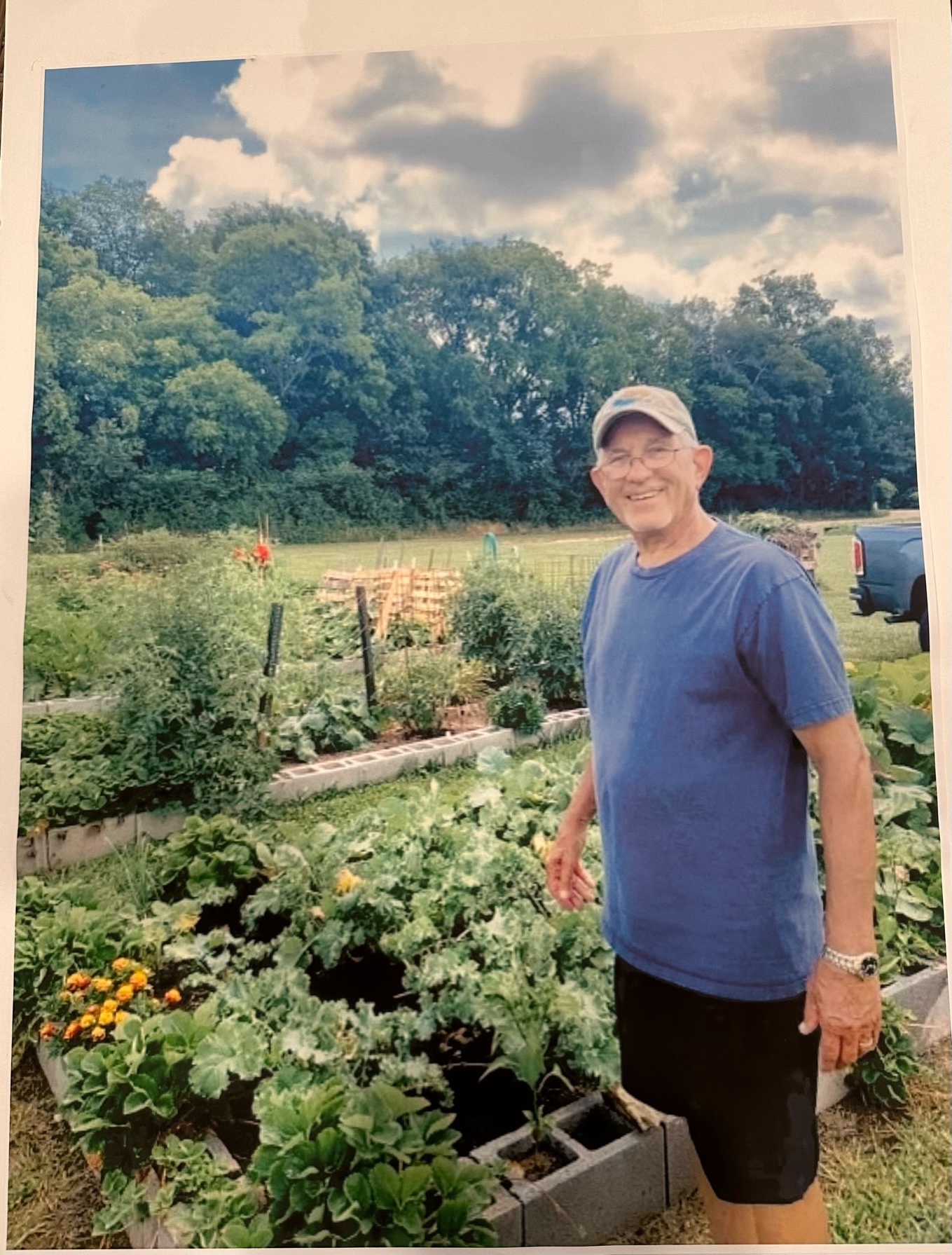
On behalf of my mother-in-law, her new church family in TN, and her church family of over half a century, Byne in Albany, GA, our warmest thanks to the Church at Station Hill for their hosting and honoring Randy today via a celebration of life. It was reverent, Christ-centered, to-the-point, and fun–all of which Randy deeply appreciated. Thank you for your labor, your love, your continued support of my mother-in-law, and for your co-labor in the gospel.
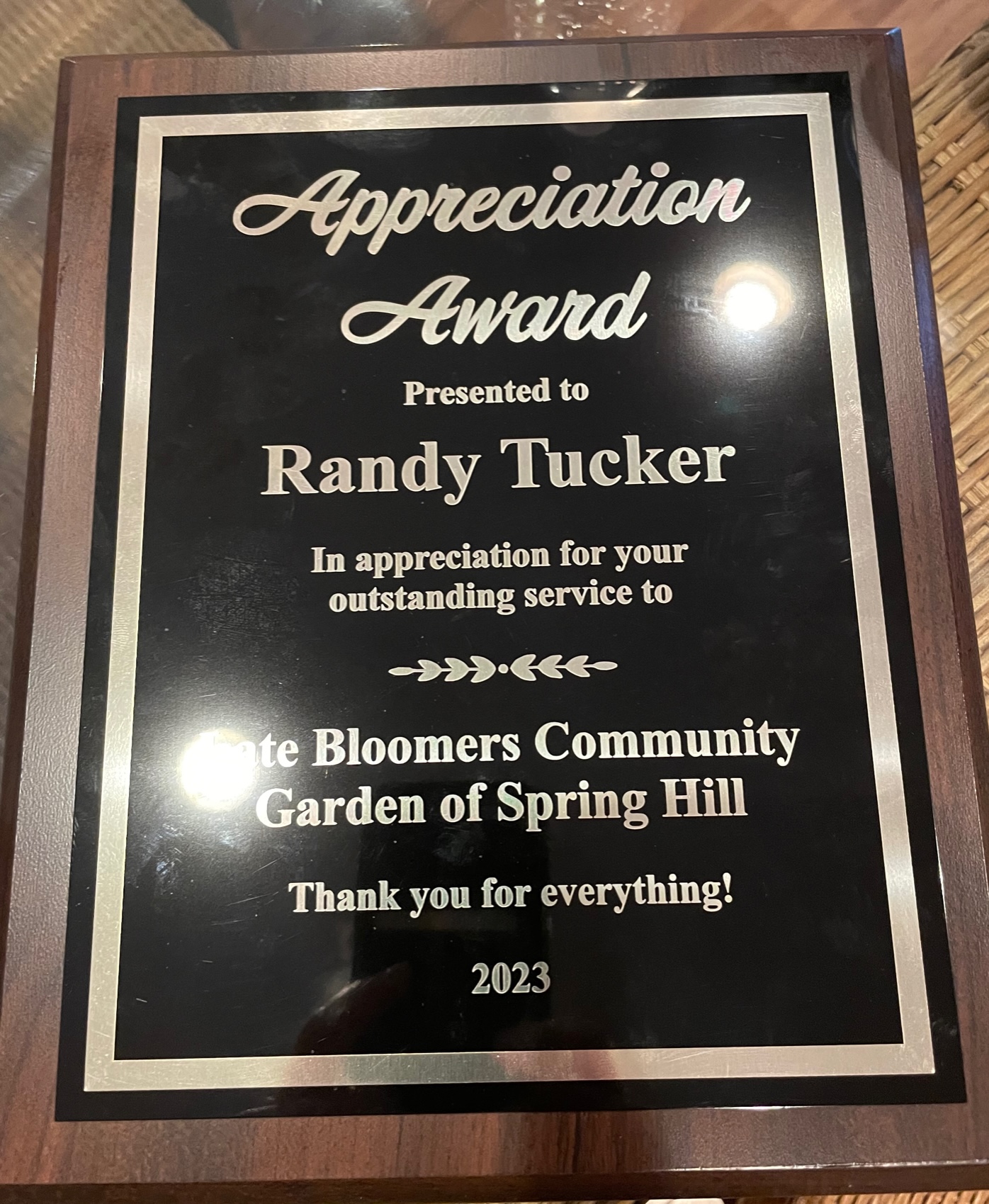
Second, our continued love and gratitude to Byne Memorial Baptist Church for your legacy of fidelity to support the Byne family. When I was grafted into Randy and Jane’s family many years ago now, I will never be able to thank them or Byne enough for the love you consistently showed me and all who are blessed to have been part of the family that characterizes Byne and her myriad ministries.
Third, to Mt. Zion, my own family’s church of years now, and especially Adult 9 Sunday school class, of which I’m a part and which blesses our family in profound ways, we love you and thank you for your support and generosity.
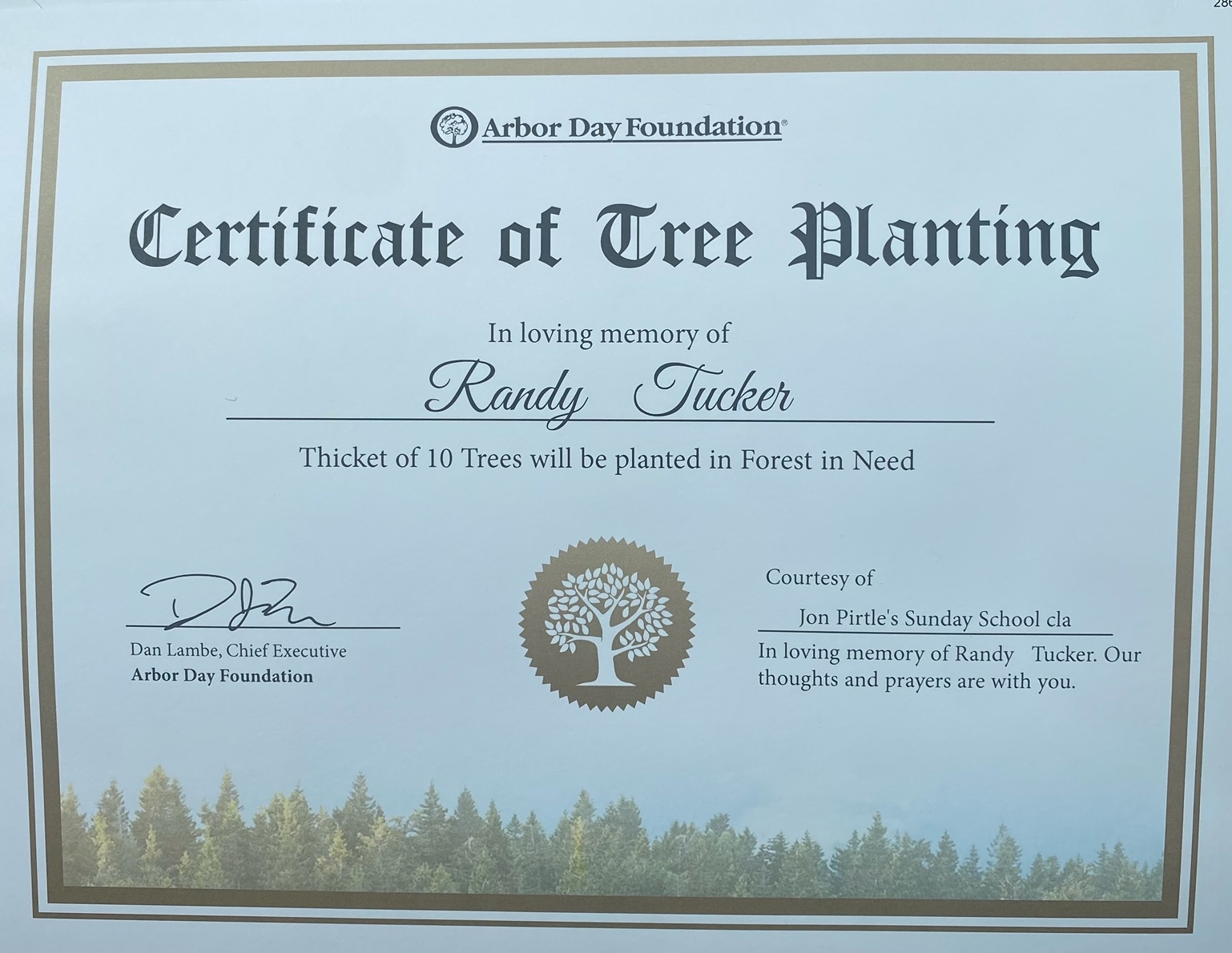
Takeaway: When we pulled out of the church parking lot today, we were all smiling, even though Randy “Papa” Tucker was not with us in our cars. He was closer than that. He was in all of us–in the faces, the smiles, the tears, the hugs, the laughter that he so engendered and fostered. We miss you, Papa, more than I can express adequately. But you have come into fullness of joy now–and rejoice in that, and in your life lived well.
And today we sang the hymns you loved. And just like one of your favorites said, even so, it is well with [our] souls.
Opening: Late March and early April in the remaining woods beckon those with souls who appreciate God’s bounty in nature.
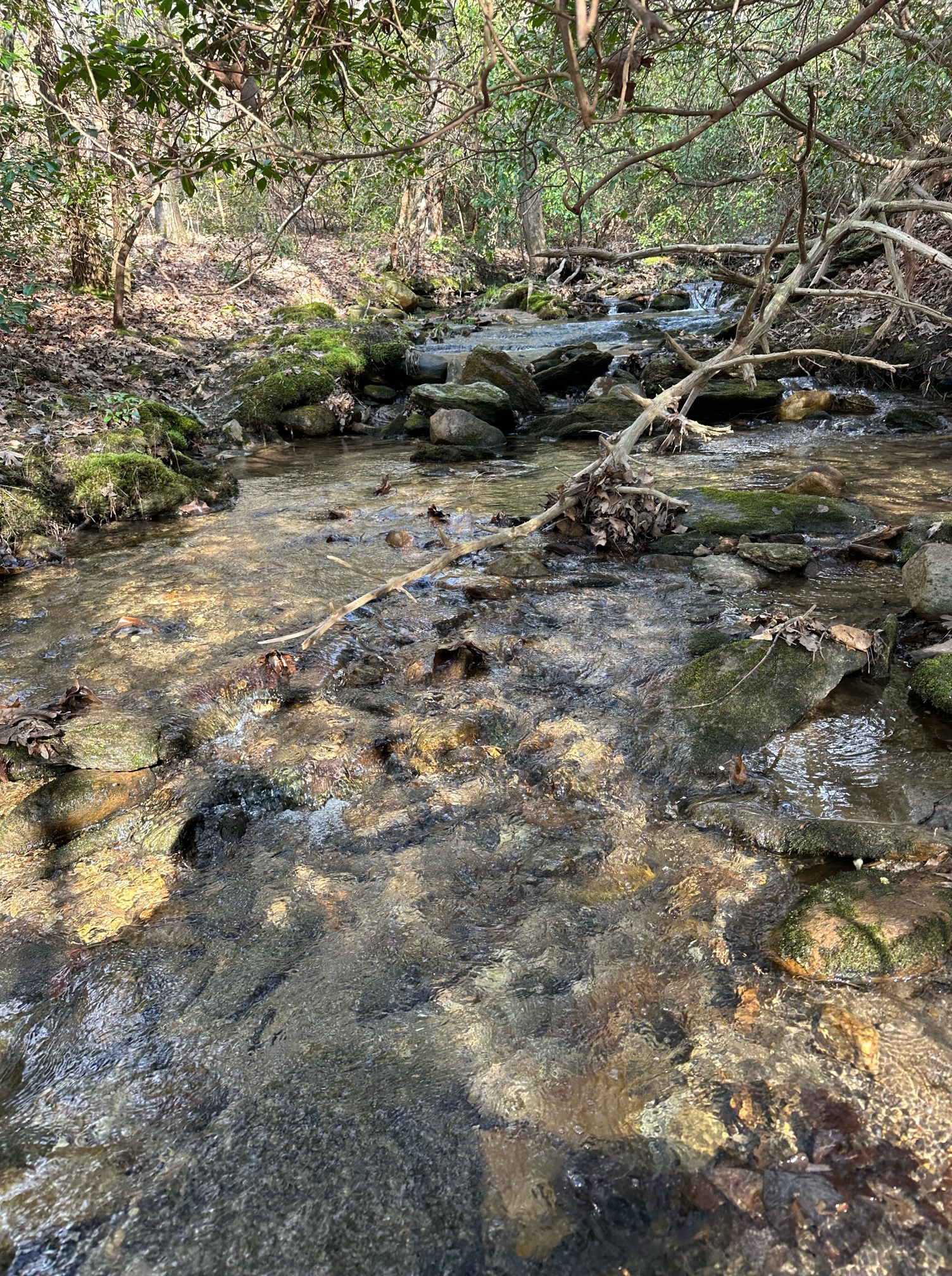
Recently I had a few minutes to hike the hills and creeks in search of shed buck antlers. I did not discover any, but that gives me more reason to go back out.
I did, however, hear lots of turkeys and almost step upon a bleached skull and cross moss-covered rocks in the creeks where the sun threw slants of light upon the moving waters. And I scared a herd of deer from their beds in a thicket by the creek.

When you reflect on words from the Psalter like you find in the opening salvo of Psalm 14, it does make you realize the efforts one has to go to in order to deny the craftsmanship of the very creation upon which we tread and about which we speculate.
Scripture’s attestation of those hostile to truth: Psalm 14 opens with this:
The fool says in his heart, “There is no God.” (Psalm 14:1a, ESV)
Reflection: When I listened to the turkeys, and I studied the bleached skull of the animal, and I jumped the herd of whitetails from their beds in the creek’s thickets, and their white flags swayed back and forth in perfect pattern like a visual metronome (left, right, one, two, left, right, one, two . . . ) it would have taken a lot of suppression intellectually to try and convince myself, “Just accidental. Randomness. Just matter in motion. No design. No designer.”
The whole of creation trumpets its Creator. One need only have eyes to see and ears to hear.
 MIND & MATTERS