Again, my friend Jim supplied me with avian wonderment.
Enjoy.
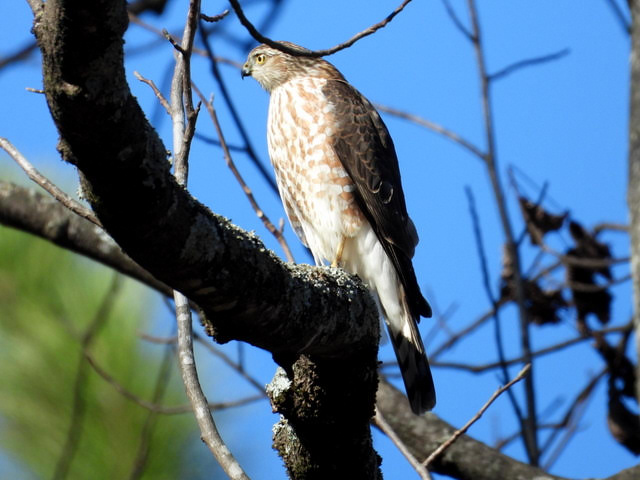
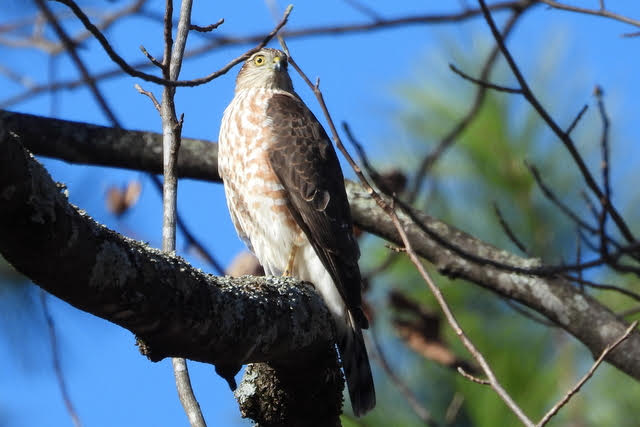
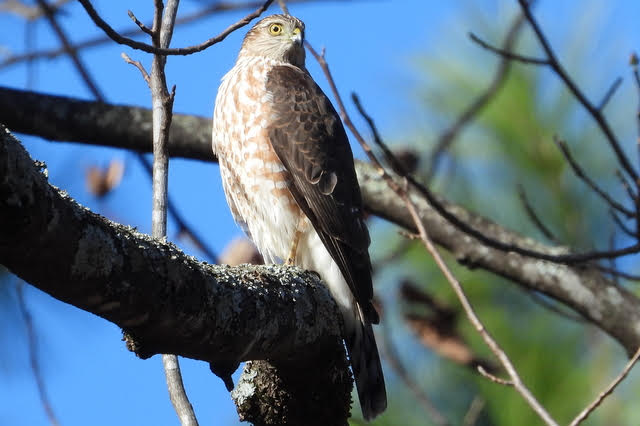
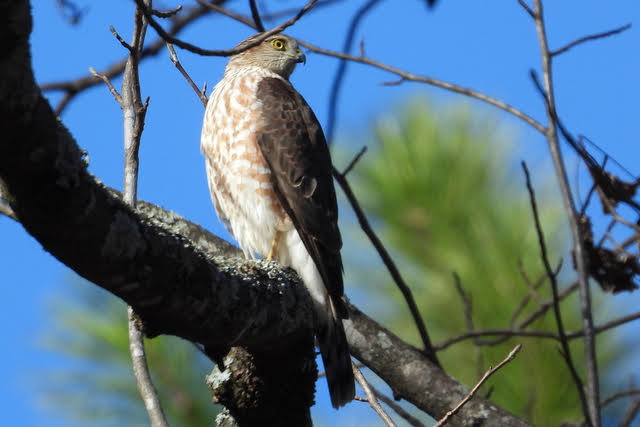
Again, my friend Jim supplied me with avian wonderment.
Enjoy.
Recognize.
Verb meaning “to acknowledge, to recall to mind, to know again.”
Its origin is 14th century French and is related to reconnaissance for “to know again” or “to acknowledge.”
Re of course means “again” and the root for cog is seen in words like “cognition” and “cognitive” and its root word notitia denotes knowledge.
Again I am on a Cormac McCarthy binge.
Other than Shakespeare’s tragedies I know of no other writer’s works in English whose words are more powerful.
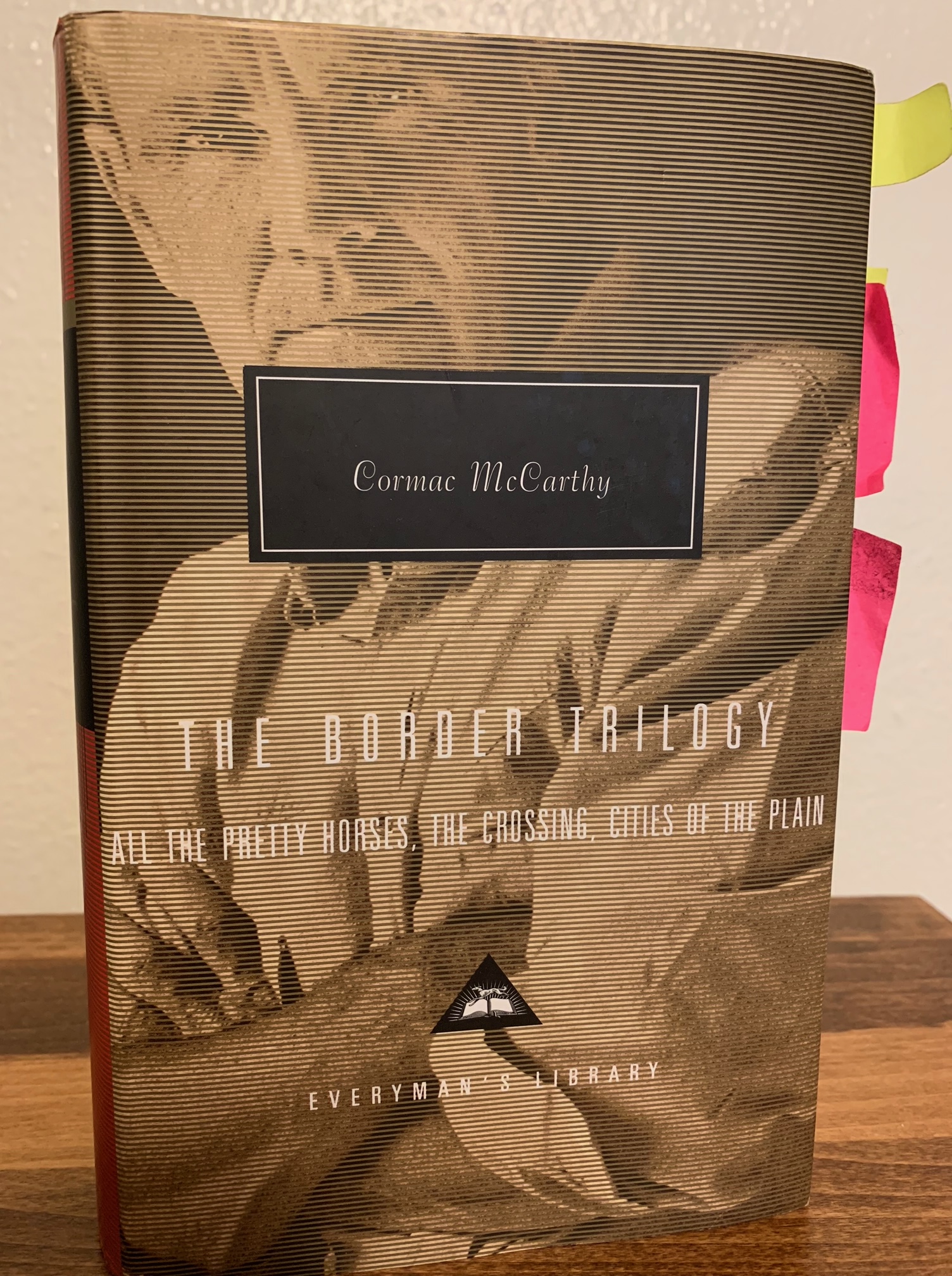
I first read McCarthy in the 1990s when I was deployed in Bosnia with the Army under then-president Clinton.
While the world’s fickle attention span was upon all-things-Clinton and his fraternity boy antics with Monica, I was reading McCarthy between missions. And I was hooked.
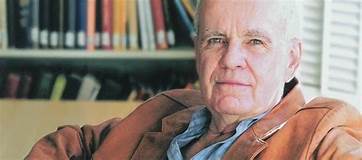
McCarthy is an old man now but his mind and pen penetrate the biggest questions. That has been his writing pattern for over 50 years now.
Read him.
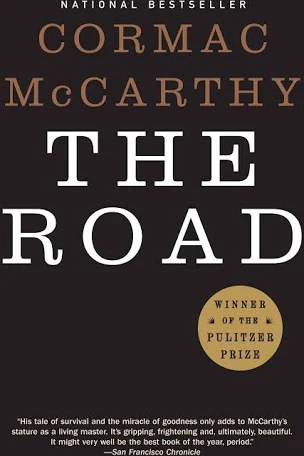
When I was deployed to Afghanistan during the heavy war years I read The Road for the second time. The thematic kinship to Job’s life in Scripture is formidable. I have not read anyone who has grappled sufficiently with what McCarthy puts forward.
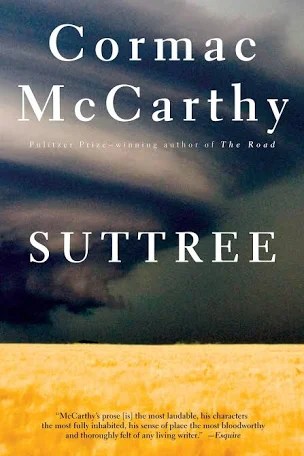
Then there are my two favorites: Blood Meridian and Suttree. Both are unparalleled in American literature, in my view.

This week I read The Passenger.
Like his previous works it is not for the timid. If you want airport superficial reading, don’t read McCarthy.
McCarthy addresses theodicy, God, the despair of atheism/materialism, insanity, genius, beauty, language, and, of course, death.
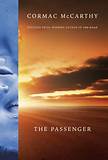
But if you’ve the mind for the heaviest questions and will brave the darkness, McCarthy will meet you. He is there … waiting.
A friend from church sent me a picture of this handsome buck in his backyard.

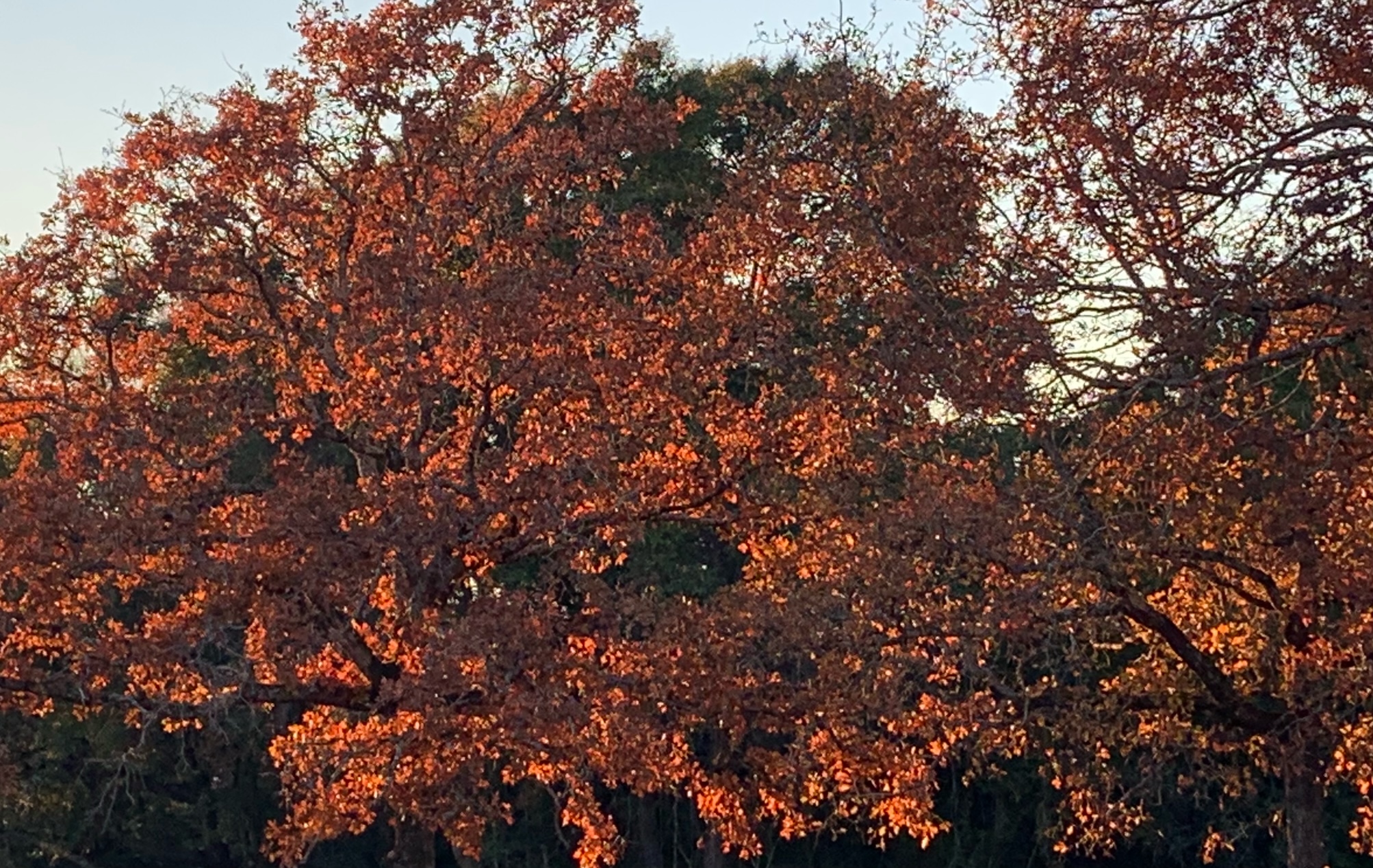
And during some of my miles outside today I was again struck by how sunlight accentuates leaves on the oaks. My old iPhone does not do justice to just how striking the image was.
A time of harvest. A time of reaping. A time of gratitude. From as far back of my lifetime as I remember Thanksgiving has been my favorite holiday. Undoubtedly there is a danger of sentimentality crouching at the door. I cannot associate Thanksgiving without it being bathed with memories of my grandparents, aunts, uncles, and cousins, and the gathering of our familes at the homes of my grandparents. Even still, the sights, sounds, and smells associated with each homeplace remain vivid in my mind’s eye.
This year’s Thanksgiving was no different in that regard. Most of my family made the trip a few hours north, driving just one of thousands of the many vehicles on the nation’s roads, with suitcases and backpacks in the car, cruising along at 70 MPH at some places, but then crawling along, tapping the brake, and our surveying license plates of vehicles with families from states who’d come to our area. This year I spotted tags from Washington, Kentucky, Florida, Texas, North Carolina, Georgia, Tennessee, Arkansas, Pennsylvania, and more.
The weather en route to our destination was perfect for driving–sunny and cool. But the traffic got heavy in one city about halfway there. Eventually, however, the traffic thinned again once we passed through that particular mountain city with its outdated insufficient highway system.
Then the road and the sky seemed to open again and the hills rolled gently for 75 miles across one of our most beautiful states. Finally we arrived. We saw our family members. We saw our nieces again, too, so grown now, physically matured, finishing up education at certain levels and going on for more in specialized fields.
And like other families, we ate and ate and ate. We watched sports on TV. We napped. My wife and sister-in-law walked several miles each morning. I stayed in and read a Cormac McCarthy novel I’ve read several times before, and enjoyed it as much this time as those before.
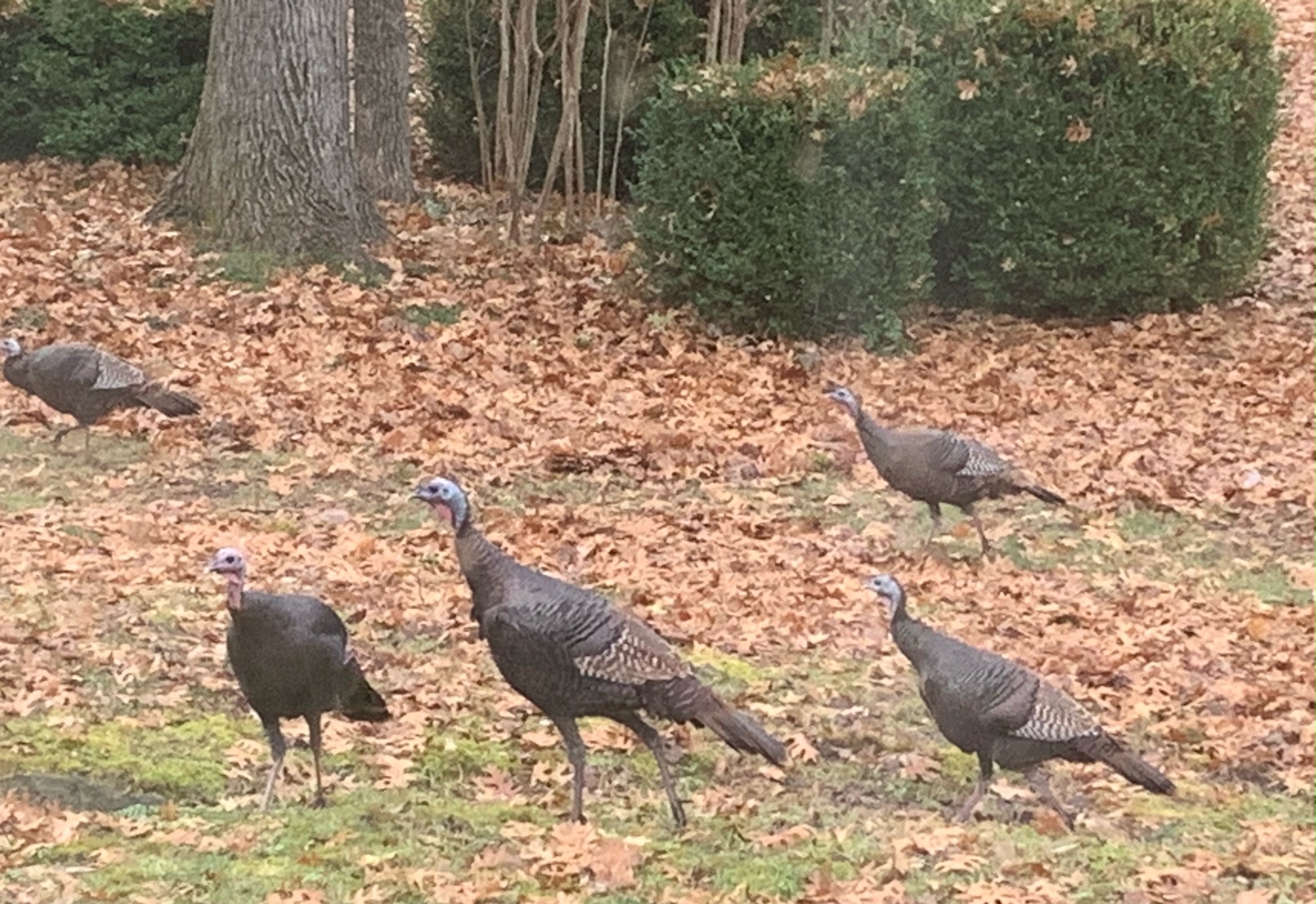
When I was about 90 pages from the end of the novel my eye sensed movement to my left, just outside the window. I laid my book on the couch, got up, and walked to the window. Several hens were walking across the front yard. They scratched leaves from the ground and pecked at food in the dirt.

We drove also to see our parents and enjoyed just being with them and speaking with them and catching up. There is something about being together, where you see one another, that cannot be replicated via Zoom, or FaceTime, or text messages.
I’m back now after many, many miles on the road. I’ve gone by the office, cleared out email, gotten my schedule laid out somewhat for the upcoming work week, and I’m already missing my loved ones.
Now it’s time to read some, offer thanks for the days of respite I’ve had, for the blessings that come from loved ones, for safety and good food and for the little reminders and glimpses of beauty (turkeys in the front yard, for example), hugging my nieces, the hospitality of family, the glory of ridgelines running parallel to the highway, the golden sun aflame for hours on the trip west at dusk, and on and on.
In church hymnody, one of my enduring favorites was penned by Martin Luther, the father of the Protestant Reformation:
That word above all earthly powers,
No thanks to them, abideth;
The Spirit and the gifts are ours
Through Him who with us sideth:
Let goods and kindred go,
This mortal life also;
The body they may kill:
God’s truth abideth still,
His Kingdom is forever.
Luther wrote “God’s truth abideth still.”
Yes, exactly.
Gifts come and go. Seasons come and go. We are young, we age, we die. Leaves green, then brown, then fall. Then new ones come.
As my favorite book of Scripture has it, “For everything there is a season, and a time for every matter under heaven.”
When I reflect upon the many reasons I continue to love Thanksgiving, it’s because I’ve been granted blessings I need only slow down to see and appreciate. God abideth. Therefore, truth abideth. Therefore, his people are to thank him for the manifold ways he blesses us. So often those blessings come via family, beauty, the embracing of the next generations, the generosity of elders and wise saints, turkey and dressing, and even the passing of hens and jakes just outside one’s window panes.
Thankful to spend some time in Arkansas with soldiers, veterans, and military contractors whose hospitality and service were displayed.
The commander drove me around, narrated more of the history of the post to me, and took me out into the woods to show me more training areas and hunting areas.
Not sure what it is about landscapes but once I have a picture and memory in my mind of a place, I can associate things and ideas with it incomparably more effectively.
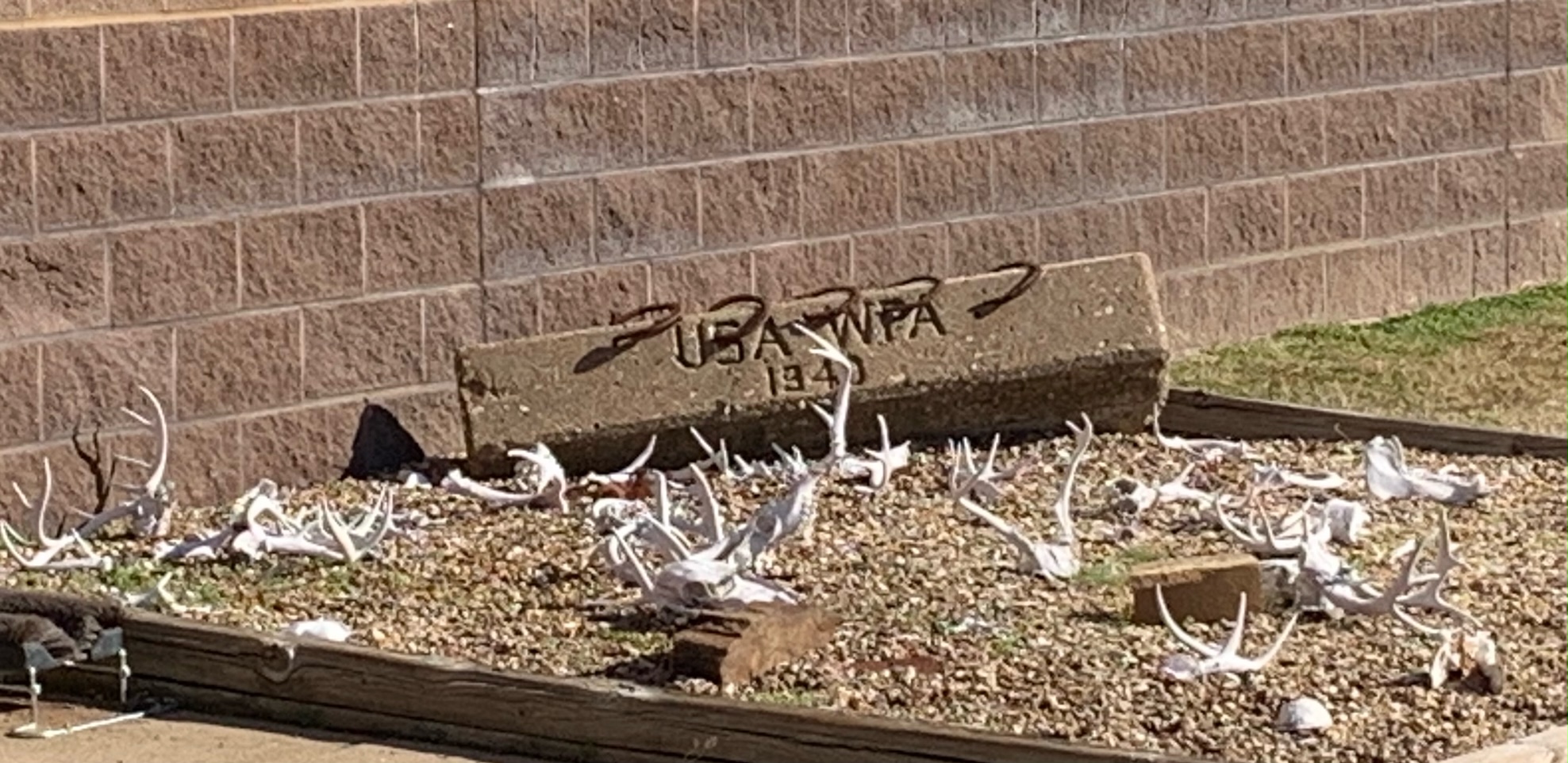
When we were at range control, I was struck by this garden bed … of sorts. It didn’t grow azaleas or roses or any other southern plant. Instead it was the resting place of racks and skulls and bones of some of the deer harvested.
Some might think it macabre; I found it wonderful: a testimony to the care and appreciation with which the soldiers and vets here tend the garden of creation in their neck of the woods and the ways their caretaking is repaid via bounty.
Happy Thanksgiving to these men and their families. May your tables abound with venison and benediction.
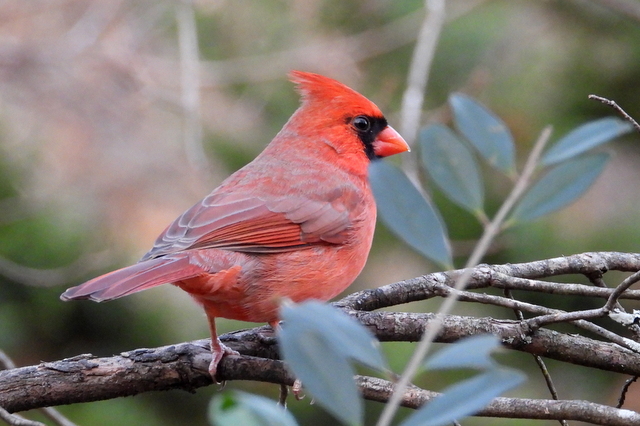
Thanks to my friend Jim again for the pictures: a cardinal, a chickadee, a blue jay, and a __________?
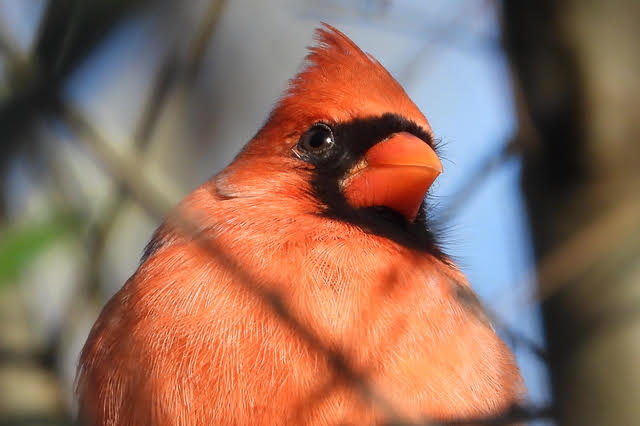
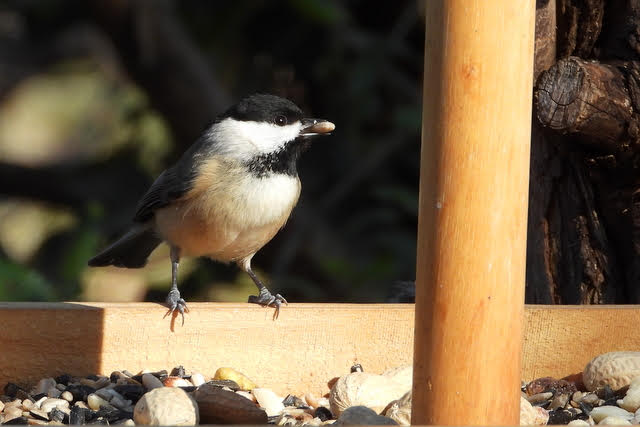

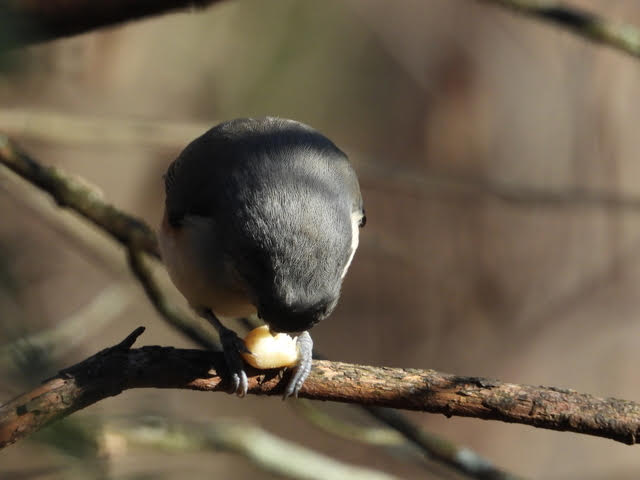
If you observe, then study, then contemplate the intricacies of these creatures, how could any intellectually honest person ascribe these–and all things–to chance, to matter in motion, to flotsam and jetsam adrift on waves of randomness?
Um, nope.
Scripture says that we all know God is the Author and that God is the Creator and that God is the One we are to revere: “For his invisible attributes, namely, his eternal power and divine nature, have been clearly perceived, ever since the creation of the world, in the things that have been made. So they are without excuse” (Romans 1:20, ESV).
The book of creatures (creation) is designed to point us to the Book of the Creator (Scripture) and to the Author of life (God himself).
Have been watching the does lately. They’re in estrous now. And the boys know it.
The bucks push their noses in the air aggressively, scenting the females’ urine and estrous scents. Some of the bucks’ racks are broken off from recent fights with other bucks as part of vying for breeding the does.
I was flying today through Texas and into Arkansas to check on soldiers here that I’m blessed to serve now, and my wife texted me pictures of some the boys back home.
Glad to be here with fellow soldiers, but there’s no place like home.
Hard to beat fall in my neck of the woods.
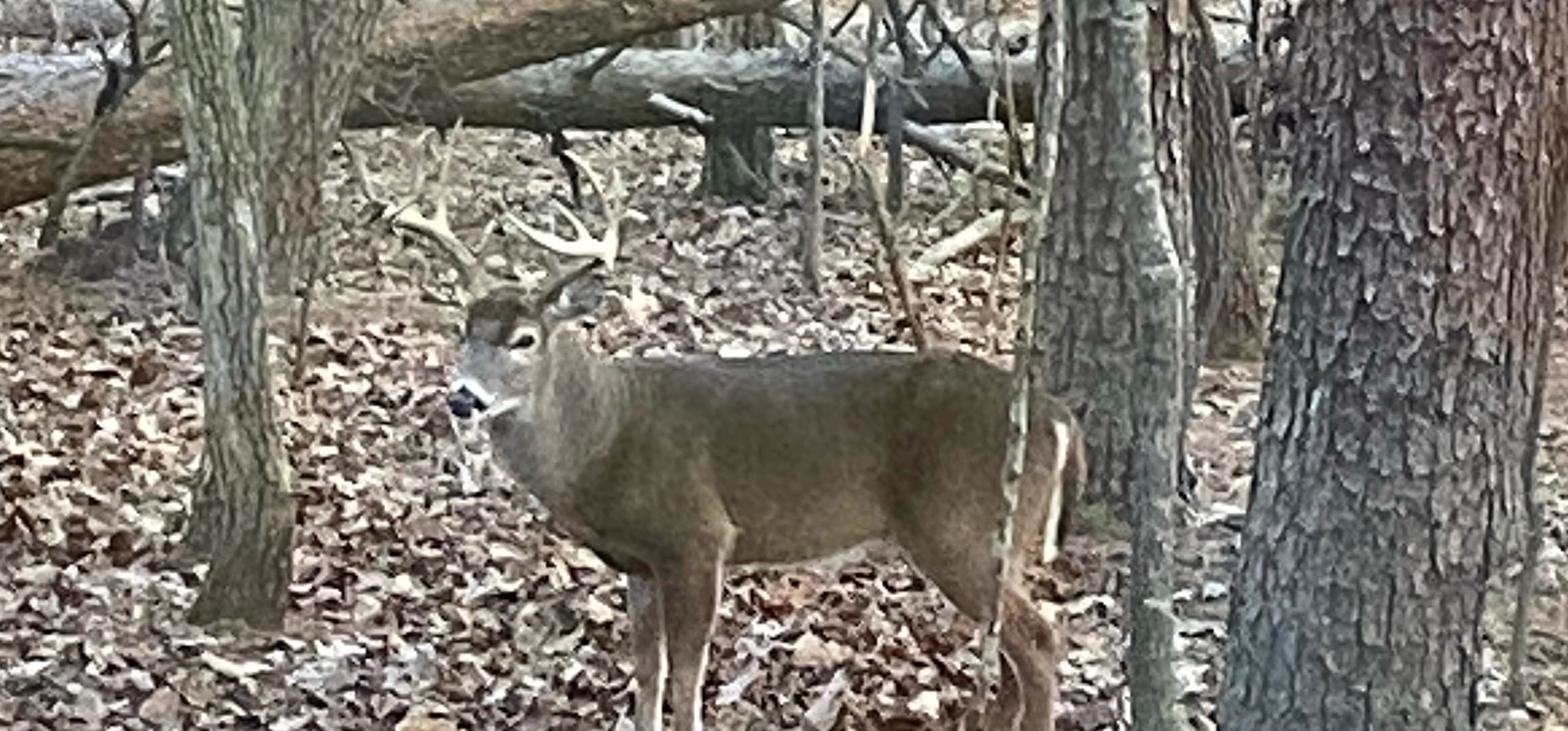
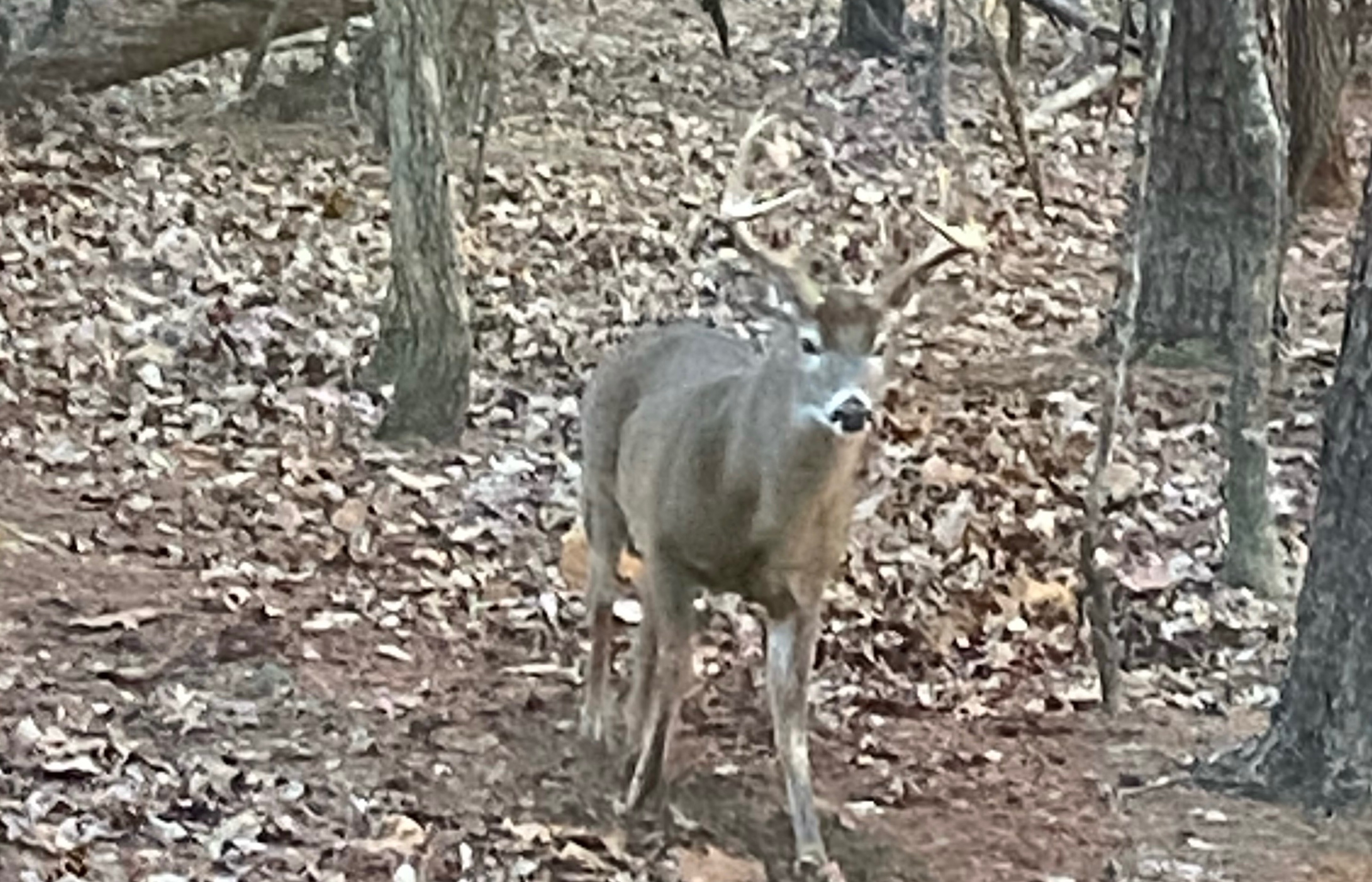
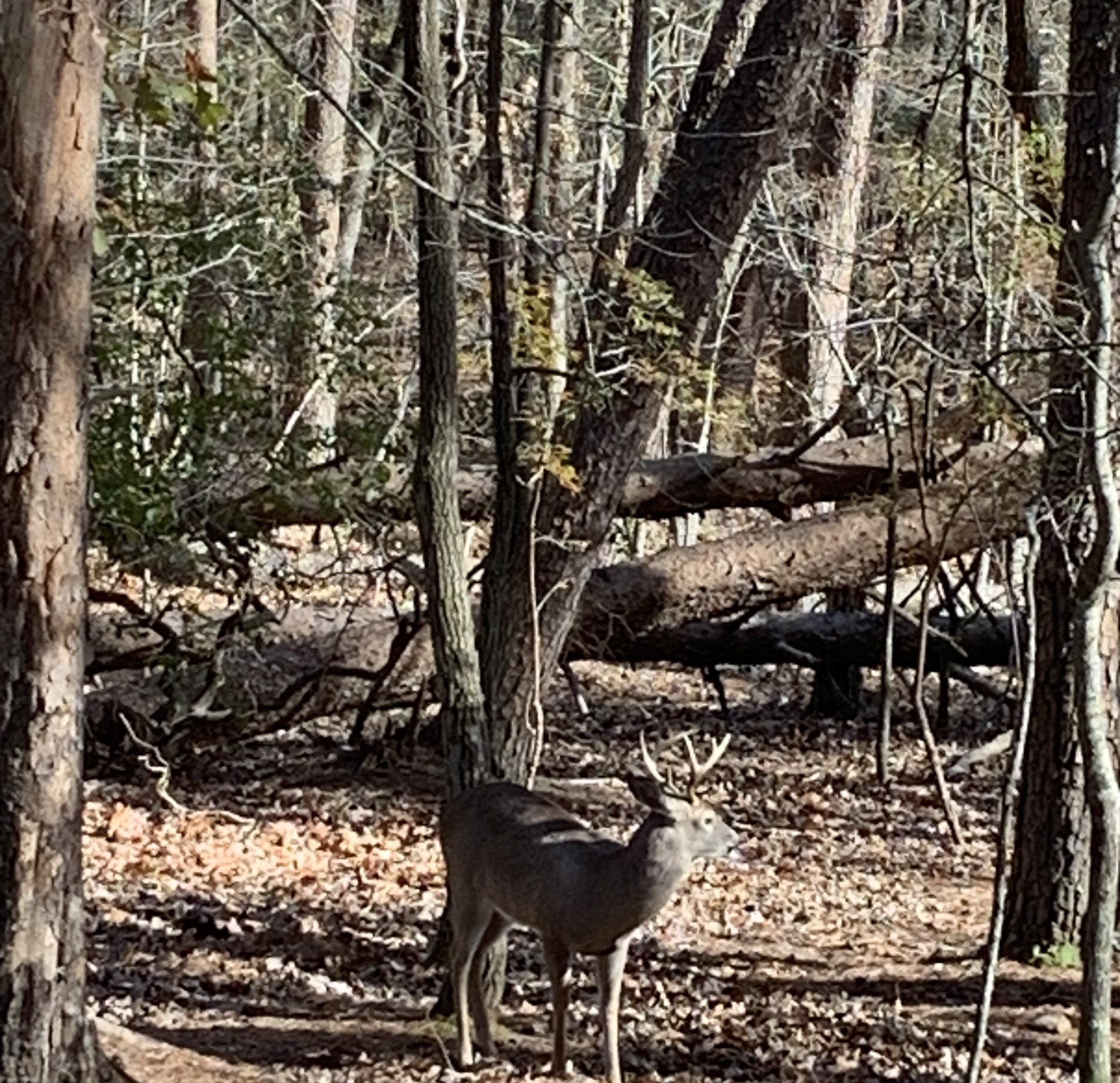
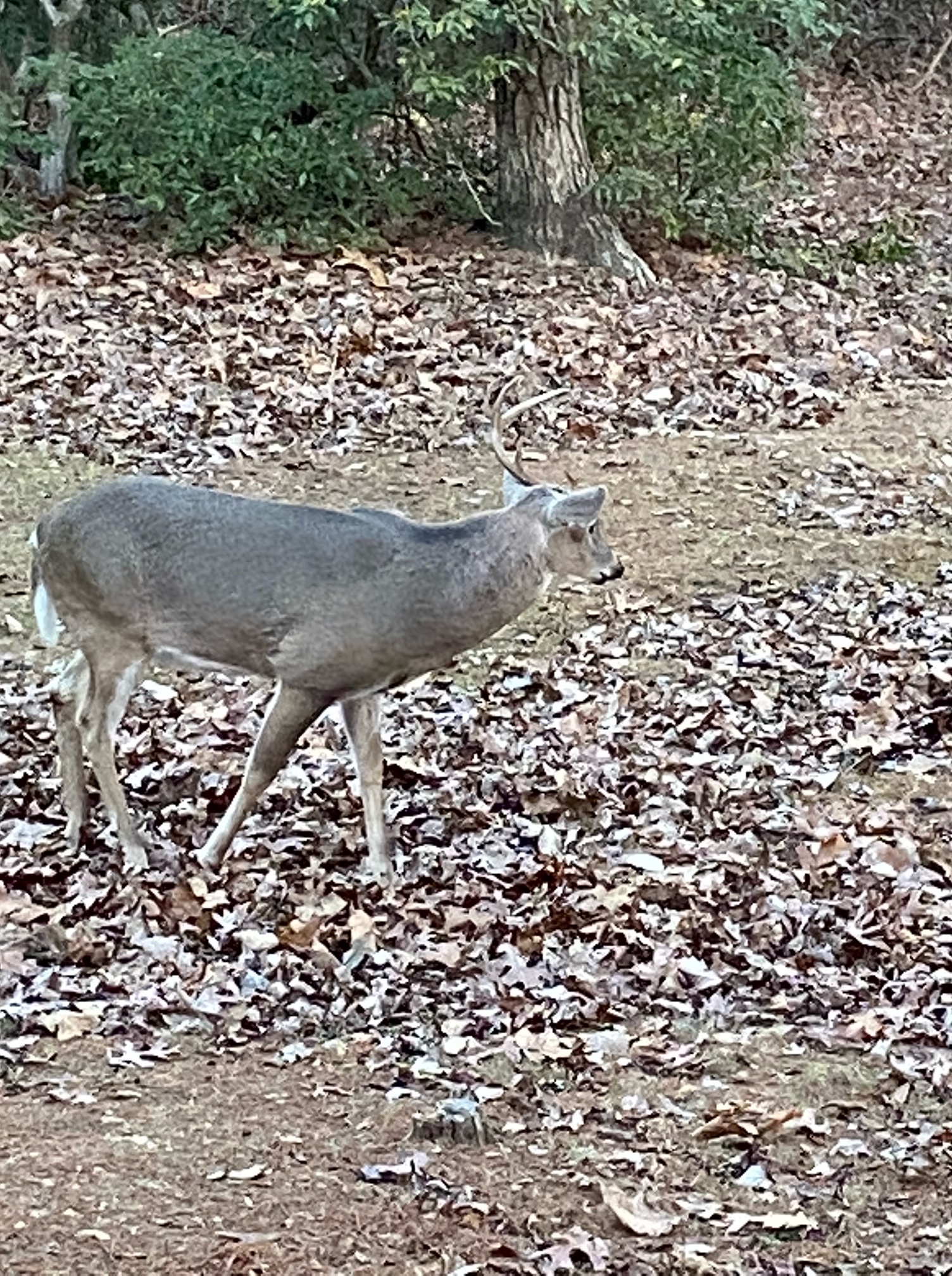
Got to watch some small bucks foraging beneath the leaves on a beautiful sunny day.
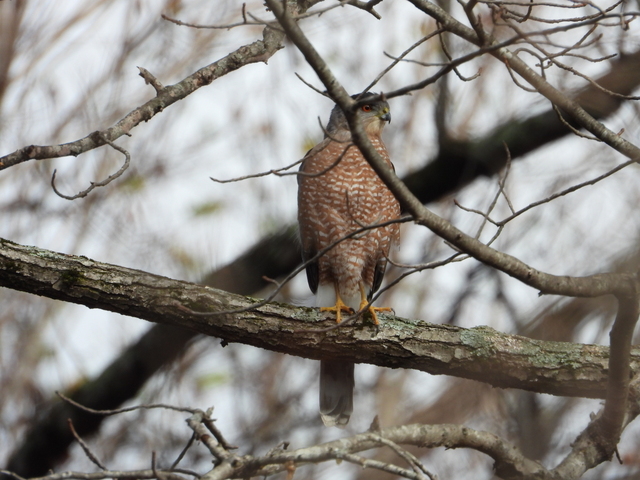
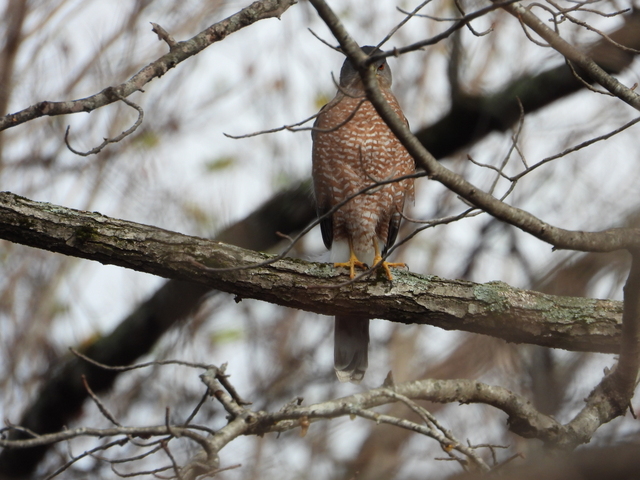
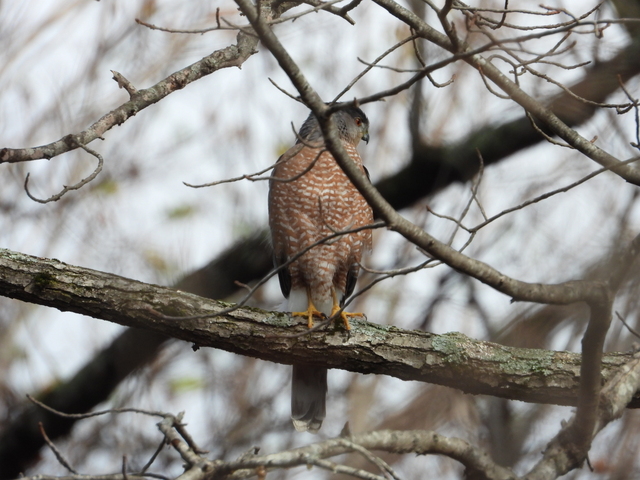
My friend Jim shared some more of his photos. Enjoy.
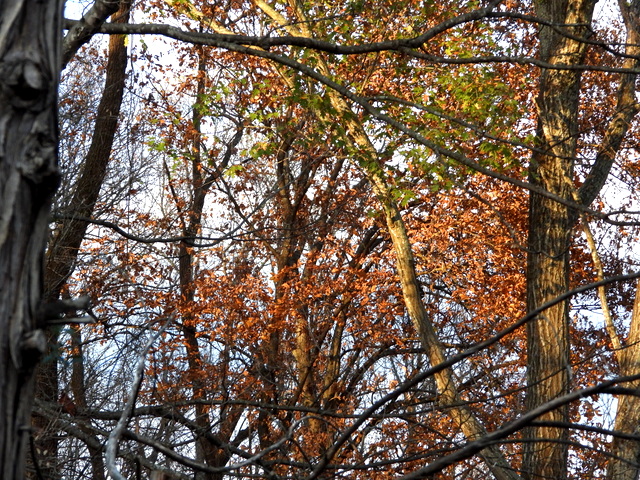
A white-breasted nuthatch, a cardinal, and a view.

 MIND & MATTERS