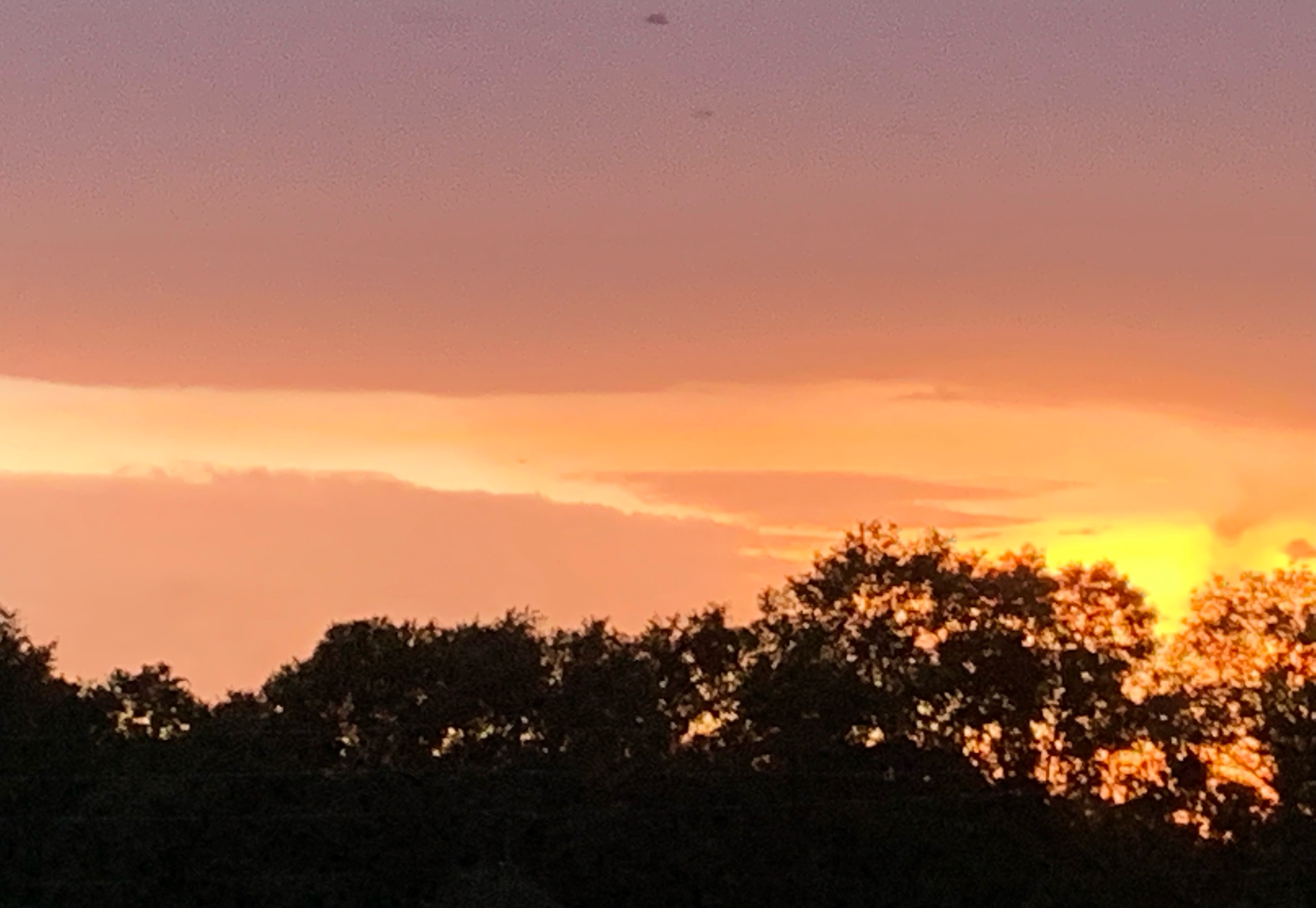
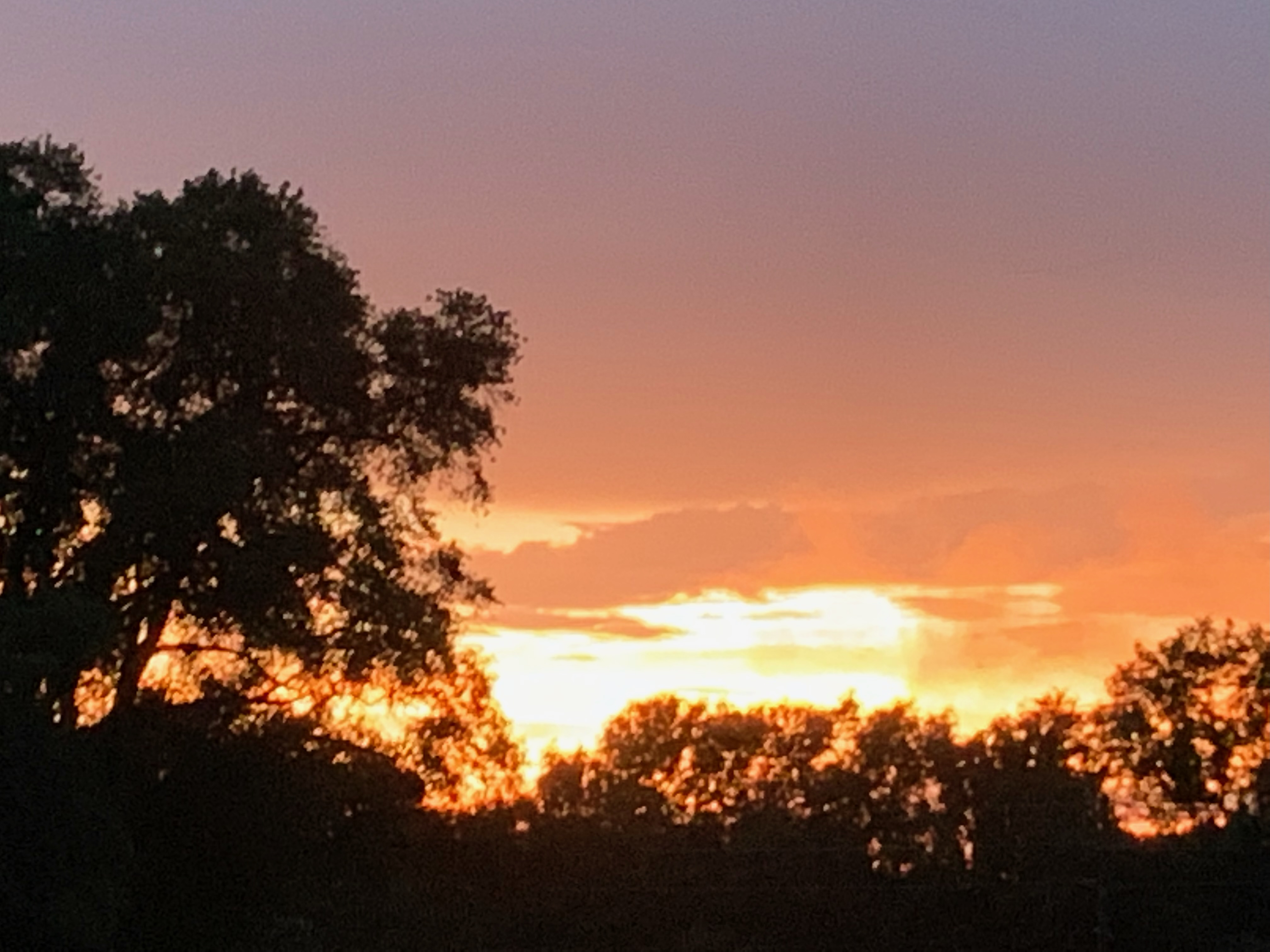
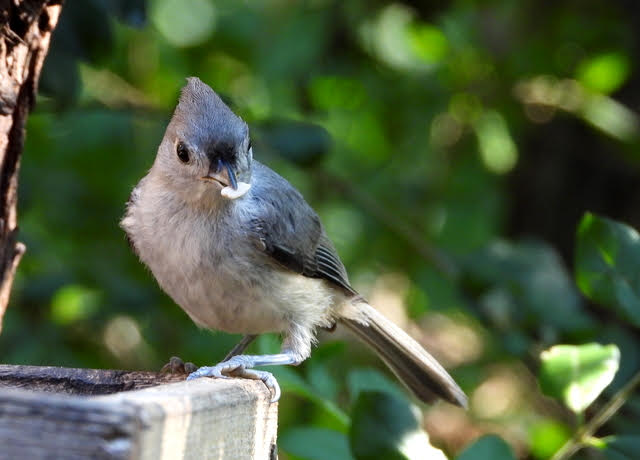
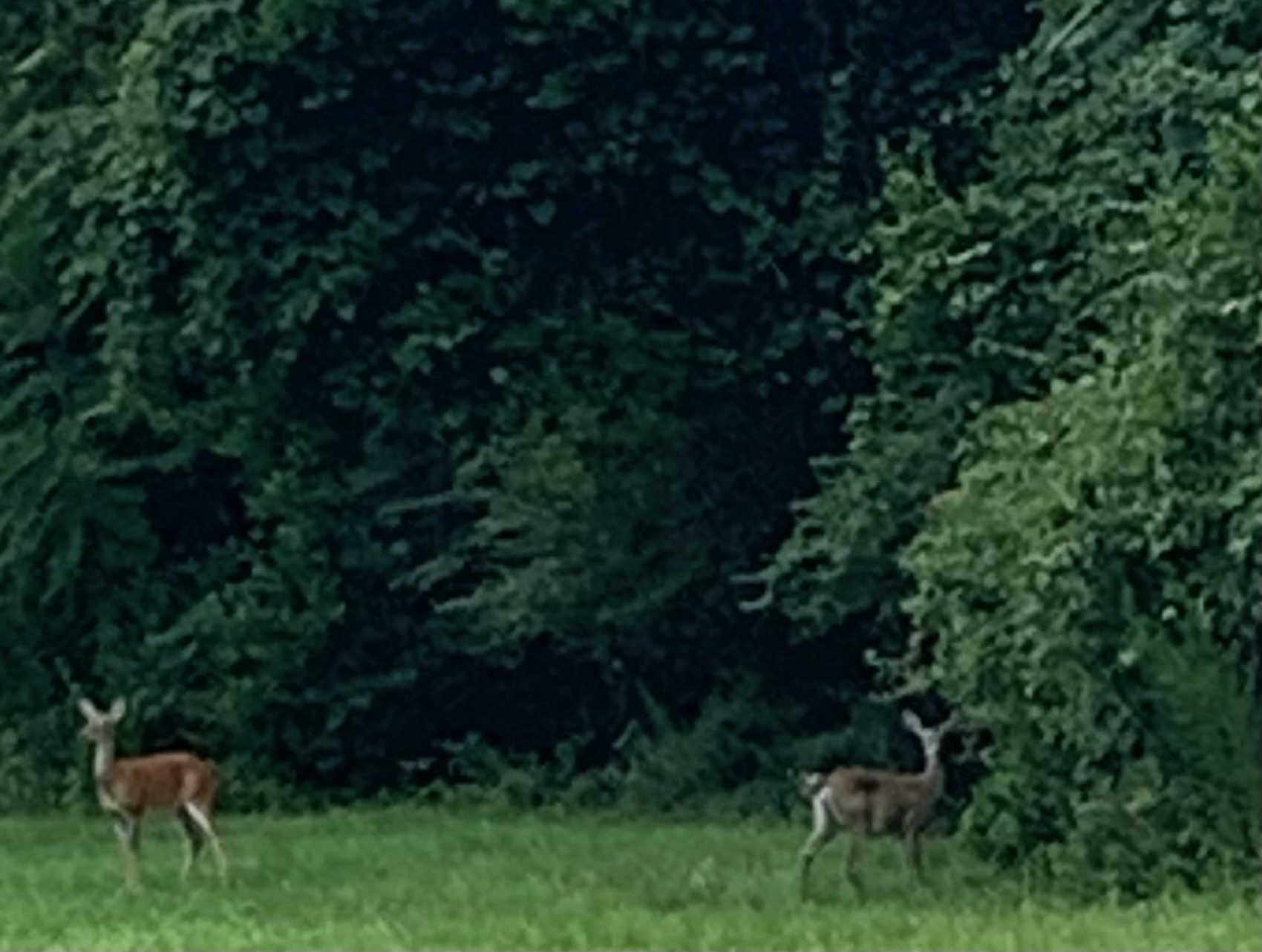
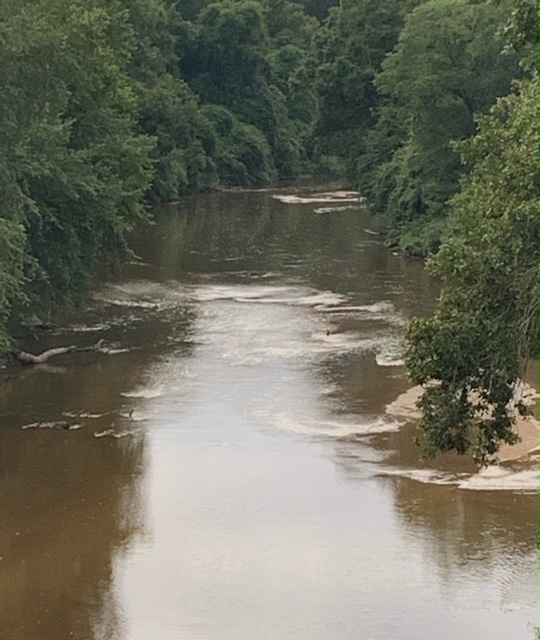
I have a friend who loves birds. He and other people in his circle photograph them. He knows their names and where they fall in their taxonomy. Below are two pictures from the bird world he sent me recently.

When I pulled into our neighborhood last weekend, the dogwoods were blooming. Dogwoods are among my favorite flowering trees. That their blooms coincide with fishing season does not hurt my feelings, either. The pinks and whites of the dogwoods burst everywhere in clusters of color where development has not destroyed these blessings. I have a deep abiding love of all things trees. Dogwoods, for me, hold a place in my heart that takes me back to my earliest memories of childhood and my fondest memories of small-town life where I could see them, plant them, tend them, see them bloom, and witness birds make homes in them.


Only a fool would say those things. Psalm 14’s a good reminder.

Random? Accidental? Hardly.
These things are spectacular and stunning. We cannot even create neon lights with this much nuance and beauty. And this beauty flies!
And because I’m such a softy for dogs, here’s one of our beloved Cavalier King Charles, Lady. We call her “Ladybug” usually. She has a tough life. She has to sleep, eat, go for walks, hang out with our German shepherd and our cat, Jo-Jo. That usually wears her out till it’s nap time again. Yep, if you have a chance, try to be Ladybug; she pretty much has it made.

This week in Christianity is what is known as Holy Week, the last week of Jesus’ earthly life, the week when he entered Jerusalem, cleansed the temple, gave the Olivet Discourse, had the Passover/Last Supper meal, was betrayed by Judas Iscariot, stood before Pilate, was crucified, buried, and raised bodily on the third day–all in precise fulfillment of covenantal promises made by God in the Bible.
Why is that so important? First, God has entered history. This world is not without empirical eyewitness testimony of God’s nature and existence. Jesus has made God known. “[Jesus] has made him [God] known” (John 1:18). As Francis Schaeffer put it, He [God) Is There and He Is Not Silent.
Second, in a world dead in trespasses and sins, God has come to save sinners. When Paul wrote to Timothy, he (Paul) phrased it this way: “The saying is trustworthy and deserving of full acceptance, that Christ Jesus came into the world to save sinners, of whom I am the foremost” (1 Timothy 1:15).
Third, what we sinners do when faced with the holiness of God in the face of Christ is definitive. What do I mean? Simple: Who do you say Jesus is? C.S. Lewis’ way of putting it was this: Jesus was either a liar, a lunatic, or the Lord.
Even hardened unbelievers admit that Jesus was sinless, that he was not a liar. Even Pilate said, ” . . . I find no guilt in him” (John 19:6). Jesus was not a liar. And he wasn’t crazy or a lunatic, either. He told the truth about people and they hated him for it. He told the truth about God and most people hated him for it. He told the truth about judgment and the narrow way of salvation versus the broad way of destruction, and the masses hated him for it. Jesus was and is Lord. That’s why Holy Week matters for you.
It’s because Jesus is real. He’s not some conjured spirit of happy-clappy spirituality. No, he is the author of life (Acts 3:15).
He entered the world in humility (Philippians 2:1-8) but he is now exalted because he triumphed over death and sin by way of his resurrection (1 Corinthians 15).
Holy Week matters, you see, because history matters, because truth matters.
Why do you think revisionists labor to not teach history nowadays? It’s because the world’s system hates the truth. They want to manufacture robots who cannot think but can only parrot propaganda and platitudes with which they are programmed.
But Holy Week was a real week in Jerusalem, Israel, just over 2,000 years ago. And Jesus really did enter the city mounted on a donkey (Matthew 21:1-5). He really did overturn tables, confront hypocrites, preach judgment and grace, cleanse the temple, and weep over the city. These things really happened. It matters.
And Jesus really was kissed by a false brother and betrayed for money. And Jesus really did wash the disciples’ feet. And Jesus really did come to save sinners. It all matters.
Holy Week does not save. Observances and liturgies do not save. But Jesus does. But we must come to him in repentance and faith to be forgiven and redeemed and made right with God. The storm of God’s grace in Jesus Christ is good news, folks, but it means dealing with the truth. And if there is one epithet that encapsulates Jesus, it is that one word: truth. That’s why Holy Week matters for you. Because it bears witness to the truth.
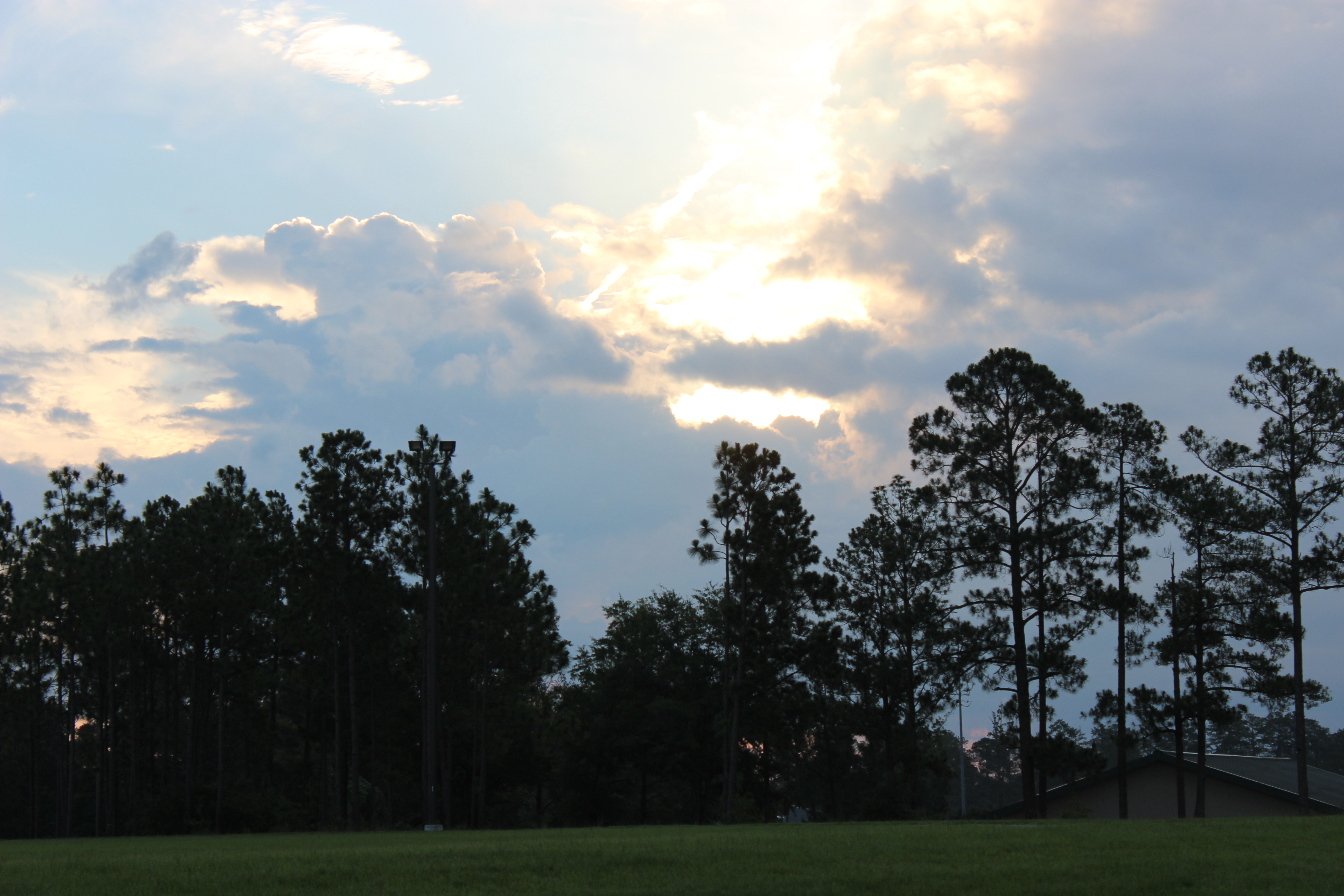
Currently we are under tornado warnings. Sirens are blaring. And the rains are falling across the area. Lightning was streaking the sky earlier and pulsing in flashes that startled even the calmest of personalities. And the thunder is so loud currently it shakes your frame.

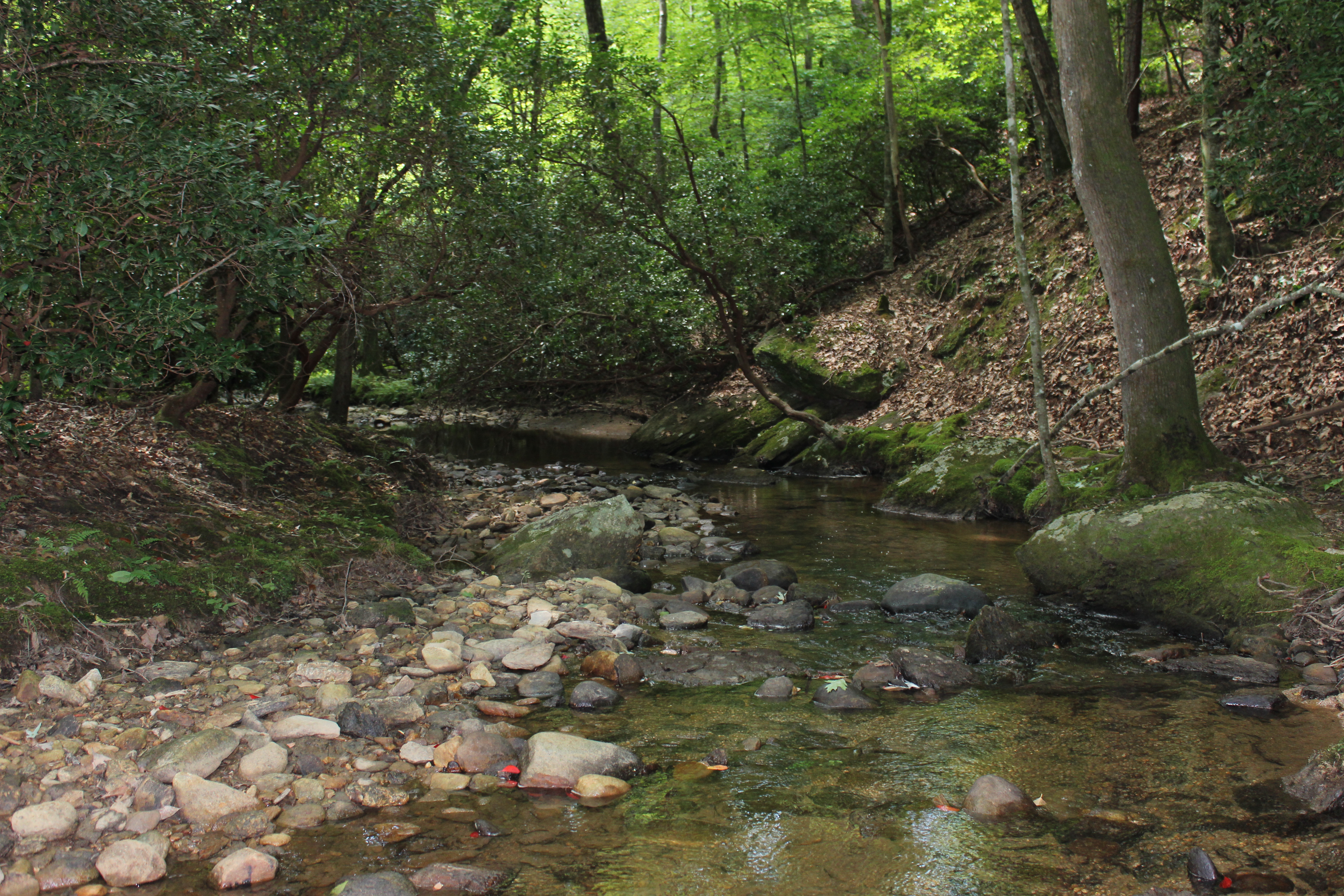
But yesterday it was sunny and warm and I was able to get some miles in the woods on the trails, especially in low areas. The swamps are green now with this spring’s new growth. The turkeys abound, as do the wild hogs.

My camera phone does not do the scenes justice, but my soul was fed nonetheless. Love time in the woods, especially when you can walk, jog, and/or just pause and take it all in.


Today the mailman and I pulled up at the same time.
“I have something for you,” he said with a smile, handing me the package.

There are many writers and thinkers I admire. There is a smaller group of writers and thinkers whose works I have read more than a few times. And then there is the group–smaller still–that I read, and read, and read again–because I discover therein wisdom for the ages. There’s a vast significant difference between entertainment and wisdom.
For me, Lewis is in that smallest group. In his works, there is wisdom. Like all wisdom, it is for the ages.
With and through his pen, he spoke to the scholar, to the thoughtful adolescent, to the skeptic, to the believer, to those with questioning faith, to those with courage to examine their own presuppositions, and to all who would think clearly about how every person matters.
Lewis excelled in showing the specifics as the universal. He wrote about how we spend our time, about how cupboards and books and walks and homes and streams and wardrobes matter. Why? Because they signify. They are signs to a bigger story, to the story.
He wrote about the centrality of our minds. He understood that the souls of men matter. They truly matter.
Well done, Jack. We owe you, still.
This morning I was studying the Old Testament book of Judges; specifically, I was in Judges chapter two. Chapter two serves as a model for the book of Judges as a whole. The pattern is this: 1) sin is not only tolerated but celebrated by the people; 2) godly leadership is largely absent and many who professed genuine faith fall away from God; 3) the nation sinks into apostasy; 4) the nation is largely overcome by the godless; 5) the people cry out to God to save them; and 6) God uses judgment to rebuke and teach and deliver.
At a church I pastored several years back, I taught through one of the most often-quoted verses of the Bible. It comes from Matthew 7. It begins this way:
“Judge not, that you be not judged” (Matthew 7:1). That’s the verse many people, who seldom have any interest in Christianity or the gospel, love to quote.
But, dear reader, context, context, context. Read the whole passage. Don’t cherrypick verses. The next eleven verses unpack Jesus’ teaching. The whole point of the passage is for us sinners not to be blind to our own sins. We’re to admit and address our own sins before we admonish others. We are to avoid being sanctimonious; we’re not to have a holier-than-thou spirit.
Jesus would teach consistently that judgment is inescapable. Thinking is, by definition, judging. Some things are true and others are false. A woman cannot be both pregnant and not pregnant at the same time. Either God exists or He doesn’t. Either you are created in the image and likeness of God or you’re cosmic slime, detritus awash in the void.
Jesus consistently taught to judge rightly. This is the way He put it in John 7: “Do not judge by appearances, but judge with right judgment” (John 7:24).
See it? To be a thinking and thoughtful person means making distinctions, recognizing truth from error, wisdom from folly. It means judging rightly.
Segue: When I survey the modern melee of contemporary life, what do we see? Is it not like the book of Judges?
Do we not see sin not only tolerated but celebrated? Do we not see godly leadership largely absent and/or suppressed? Do we not see nations sunk in apostasy? Do we not see godlessness pervade more and more ground in our lives? And do we not see a reaction wherein some people cry out to God? And do we not see judgment falling upon the nations?
And could it be that God’s judgment is to rebuke and to teach and to deliver many?
Many will scoff and say, “So childish! Man’s progressing. Man’s evolving. Enough with your silly adolescent Sunday school lessons and Jesus talk.”
Your paganism is progressing marvelously. How could I have missed it?
The pattern remains the same.
Listen to the New Testament:
For the word of the cross is folly to those who are perishing, but to us who are being saved it is the power of God. For it is written,
“I will destroy the wisdom of the wise, and the discernment of the discerning I will thwart.”
Where is the one who is wise? Where is the scribe? Where is the debater of this age? Has not God made foolish the wisdom of the world? For since, in the wisdom of God, the world did not know God through wisdom, it pleased God through the folly of what we preach to save those who believe. For Jews demand signs and Greeks seek wisdom, but we preach Christ crucified, a stumbling block to Jews and folly to Gentiles, but to those who are called, both Jews and Greeks, Christ the power of God and the wisdom of God. For the foolishness of God is wiser than men, and the weakness of God is stronger than men. (1 Corinthians 1:18-25)
I do not subscribe to the view that history is cyclical. I believe that history is “going somewhere.” We sinners repeat cycles, yes, but along a continuum, a linear timeline. In sum, I believe that we were created, that we are fallen, that we need redemption, that the sole Redeemer is Jesus, the Christ. The work of the triune God at the cross of Calvary … this gospel is the ultimate, non-repeatable, efficacious means of judgment and redemption for man’s sin.
For those who flee to Christ in the gospel, reconciliation, forgiveness, and hope.
For those who trust in themselves, they remain captive to the lie of the serpent, enemies of the cross, rebels to the truth. They are, to use the Bible’s language, fools.
I do not know what more it will take for the world to actually open the Scriptures, read them from cover to cover, and embrace the gospel message. The world makes time for sports, for endless mindless entertainment, for distractions as endless and vapid as can be imagined. And few people seem to embrace the reality that judgment is unavoidable. We all make judgments, and so does–please hear this–God.
Judgmentalism is not, I say again, the Christian message. But judgment, holy perfect judgment by the thrice-holy God, is the message, and it’s good news if you come to it via Jesus, the Christ.

It never grows old to me. The air carries the scents of promise. You hear the birds. Another chance, the day seems to intimate.
The sweat on my forehead cooled me when I walked back to the car from the gym. It felt good to have gotten the morning workout done.

It’s a trope, really–the river of time. Twain used it in the greatest, in my opinion, of American novels, about Tom and Huck and Jim. Joseph Conrad used it in his masterful narratives. I love water, creeks–especially mountain streams–but also slow-moving water in the swamps.
A lot of folks I have met in my decades have mocked the swamp, but I love it. If you’ve ever slept under a canopy of cypresses in the Okefenokee, or even pitched a shelter by slow-moving waters, it’s a spectacle. You hear frogs plop into the water and cicadas thrum. You feel the humidity. You hear the mosquitoes as they light upon your sweaty forearm and seek blood. You see their wings on the hairs of your forearms. You see the doves light upon oaks, then glide down onto sandy soil beneath. You see lonely whippoorwills walk out and call their incessant smooth whistles in the gloaming, when the sun lows and the palmetto rustles in the gathering dark.
This morning, on the way to Sunday school and corporate worship, my son and I were in the car together. My wife had gone early to rehearse with her fellow musicians. So Goob (my son’s nickname; don’t tell him I told you) and I were in the car. We came down the hills from where we live and turned onto the highway. it descended to where still more creeks run. Then we began ascending another hill and I saw them: a wake of vultures. They were feeding upon carrion. A young whitetail doe had been struck by a vehicle. She lay with her entrails exploded upon the grass adjacent to the highway.
The vultures gorged themselves, only scampering out of the way at the last moment as I drove past. Nothing wasted. The trees and briars and grasses fed the deer. The deer fed the birds. And I drove on, thinking of my Sunday school class, of the theme we’re exploring from the Scriptures: prayer.
I saw, in bloody reality, this world–birds pecking at carrion. Provision. Gross, in a sense? Yes, perhaps. But it teaches, if you have eyes to see, that life is bloody, that providence involves blood, that generations come and go.
That my son probably took no notice of the dead doe or the knobby-headed vultures, or of the way the sun was just above the hardwoods, or of the mangy dog by the black mailbox on the right at the crest of the hill, a neglected white clapboard house, a broken-down F-150 in the front yard, a dirty blanket-as-curtain covering the window–gnawed at my heart. Why? Because it was all there, displayed in red and black color, with the golden sun still rising, and the gray and black macadam, and the smell of it all in the air. It was all there–in the details. Scenes like this we pass countless times over many days, but how often do we really see? Teach us to number our days.
They are so young. These infantrymen, training to earn their Ranger tabs, assembled to hear the Scriptures explained. As their chaplain, it is one of my greatest joys to be able to be amidst fellow soldiers, but also to be able to teach the Bible to those who elect to gather with us.

Today I taught from Luke 8:25, where Jesus asked those in the boat with him that day (and us by extension), “Where is your faith?” It’s the enduring question. It’s not a matter of whether people have faith. The question is, In whom is each person’s faith? In what is a person’s faith?
Is your faith in yourself, in a “force,” in governmental and bureaucratic systems, in planets and astral signs, in a nameless, a-historical ideology/ism? Or is your faith in the One who spoke creation into existence (Psalm 33:9) and upholds it by the word of his power (Hebrews 1:3)?
In Ecclesiastes, Solomon wrote, “Cast your bread upon the waters, for you will find it after many days” (Ecclesiastes 11:1). The idea is that we are to sow seeds now, knowing that God tills the hearts of men. But we are to be faithful to work, to sow the seeds, to sweat in labor for that which is true, good, and beautiful. In due time, our work will be tested. We shall be revealed for what we did/did not do.
That is such an encouragement. Why? Because we labor, but not in vain. There is a hope laid up, a treasure, a kingdom, in fact. God sees us. And God knows. And God is just. So, should we not number our days, use them wisely, for that which endures?
We are to cast our bread upon the waters. But why? Because things come back around.
Don’t misunderstand. This is not a karmic theology. Rather, this is the theology of God’s sovereignty, and of God’s providence, and of God’s holiness. That’s vastly different from pantheistic karmic religions.

We have so many worldviews that are asking us to trust them. Do you really want to trust in the mob, in pop culture, in government shills, in media, in fortune-cookie cliches, in yourself, in your own spiritual resume? The list could continue.
Or does it not make the most sense to trust the One who is wholly good, wholly sovereign, wholly triumphant over and through evil and death and the grave?
This is why we are to cast our bread upon the waters. Because it matters. What we do now matters.
I taught the passage. We walked through it together again and again. It led to discussions afterwards. We took the Lord’s Supper. We prayed.
I was reminded of the sacred privilege I have and for which I am so grateful. Who knows, humanly speaking, what will come of it all, how it will all play out in the big picture? I don’t know the answer to every detail. But I do know where my ultimate faith is. And I long for the next generation to know, too–to know where their faith is and where it should be.