




First, tomorrow we will upload Pirtle Points, Episode 7, on the Gospel as the better way. I will begin unpacking with you how false worldviews are reductionistic, how they begin with the wrong source of authority, etc. and how faulty presuppositions lead to the fallout we are witnessing.
Second, for any bibliophiles out there, I have taken my friend Greg’s enouragment (or is it a dare?) to begin posting short videos on the classics and/or books I think will be part of the canon of classics. Episode 1 of Pirtle’s Pages is here:
See you tomorrow.





Just cosmic accidents, of course. No design. No purpose. Just random collocations of matter+time+chance.
Said no honest man ever.
“The almighty, everywhere-present power of God, whereby, as it were by His hand, He still upholds heaven and earth with all creatures, and so governs them that herbs and grass, rain and drought, fruitful and barren years, meat and drink, health and sickness, riches and poverty, indeed, all things come not by chance, but by His fatherly hand” (Answer to Q:27, “What do you understand about the providence of God?” Heidelberg Catechism).
When I threw the leftover watermelon rinds out back, the critters showed up promptly.


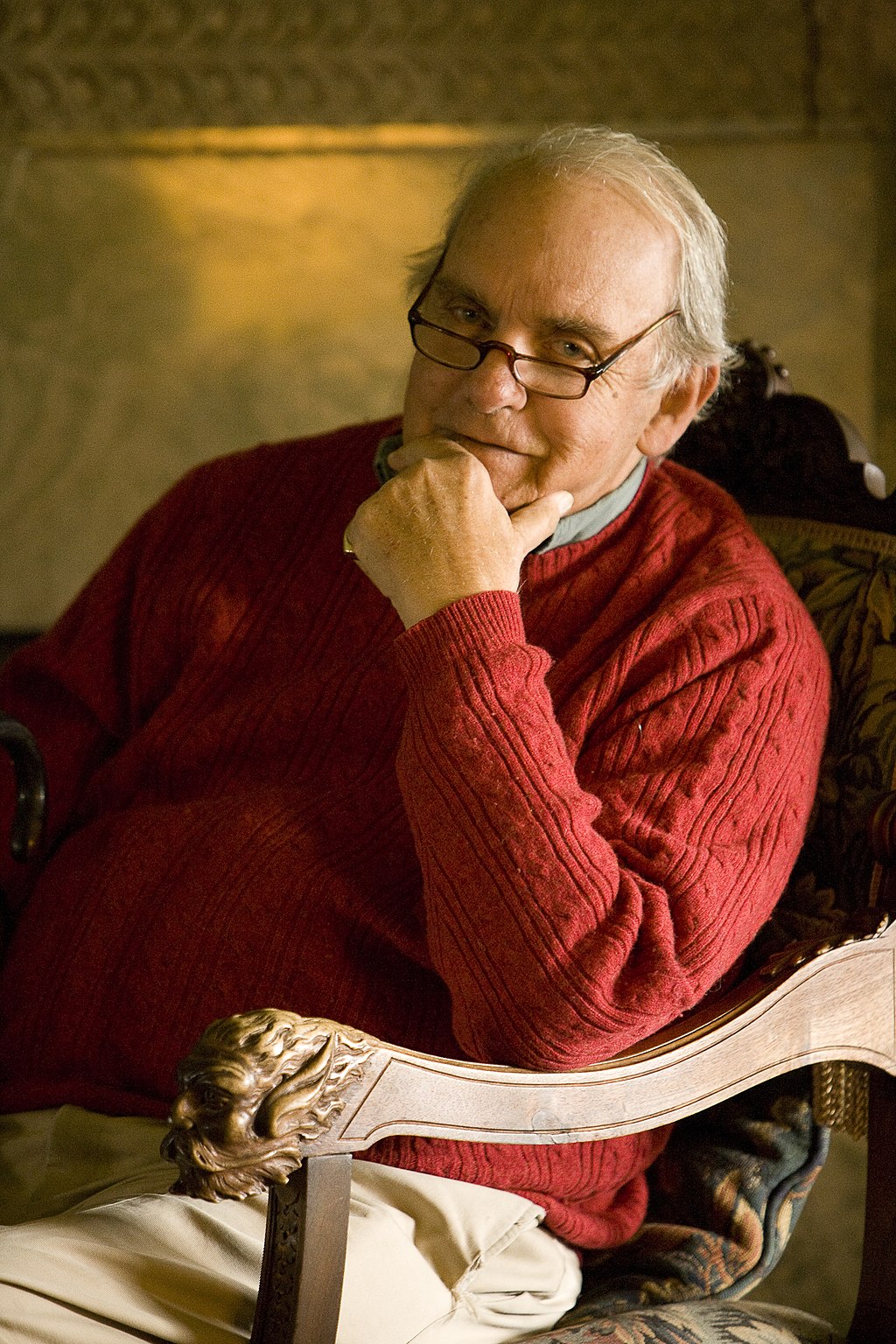
Differences: He attended a liberal seminary. He studied Tillich. He studied neo-orthodox theologians. He (I think) imbibed much of their teachings. That, in my view, is deeply flawed. Read them, sure, bur recognize that they departed from the biblical gospel. Experience is not the canon; Scripture is.
Similarities: What I continue to adore about Buechner is his commitment to Shakespeare, to Milton, to Dante, to the literary pen whose wielder is steeped in the authority of the Scriptures and the individual witness of human experience.
Some of Buechner’s books have made me weep because of their honesty and transparency. His world could wrench tears from you.
They’re like (and this was Buechner’s favorite piece) Lear when he was going mad amidst the storm (literal and existential) in the play bearing his name.
Buechner wrote about his struggles in ministry, in marriage, in the writing life, in academia, in battling his demons, in wrestling with how the greatest literature is used by God redemptively.
Takeaway: There are very few authors with whom I could say, “Yes, I agree. 100% I’m with you.” That’s certainly not the case with Fred Buechner. But in terms of his telling the truth via literary and lyric genres, and doing it from a worldview saturated with the biblical worldview, one could do worse than reading the oeuvre of Fred Buechner. He quoted Solomon and Shakespeare in the same breath. He went way left, in my view, on many issues, but he wrote well, almost as if he were the fool, almost as if he were telling the truth to the mad, mad world.
On the way to Sunday school and church, glimpsed a mama and a couple of this year’s babies with her. They seemed to be enjoying breakfast.
This year’s fawns’ spots are nearly gone now. The young bucks and does will be on their own soon.
And the cycle continues.
Beautiful.


I tried to give an outline for where I’m headed over the forthcoming series of messages. And I’m trying to keep them to around 15 minutes or so.
Hope it is helpful.
Press on.
Here’s the link:
Tomorrow (Saturday 27 August) we will do a livestream via Facebook Live (I don’t use Fb but my wife will have it on her Fb) on The Gospel: The Better Way, the Alternative to Chaos, Destruction, & Despair. Afterwards we’ll upload it to YouTube under my name as Pirtle Points, Episode 6. The previous episodes are here:
Episode 6 will be on “Lessons from the School of Affliction.” Why such an ominous sounding title?
It’s because in my ministry over recent years, I have repeatedly heard similar laments, the same sorts of groanings and lamentations about the state of the world.
Some examples include the following expressions of frustration:
All of these lamentations, and countless others, I have heard for years now. And the love of many is growing cold. People are growing increasingly callous. Why?
My view is that all of these things are not at all unrelated. They have a common source and a common author.
In Pirtle Points, Episode 6, I’ll address them. My theological goal is twofold: to speak truthfully and to encourage.
Wisdom and common sense have been bludgeoned by the mobs of immaturity and imbecility.
And the way to address this reality is not to be like the immature or imbecilic, but to articulate truth, to live wisely and truly, to be salt and light.
And those, too, are goals of this weekend’s episode.
I hope you will tune in, like, subscribe, and share. See you Saturday.
Walking up the hill, my Hokas gripped macadam with each heel plant and fall of the arch and lift of the toes. I smelled the rain, only moments spent. The air was pungent. I swung my white Walmart bag with rubbish from the last two days: an empty bottle of Cholula, a wadded plastic envelope from the online bookstore from which I order, some leftover bones from a broiled chicken.
Rounding the bend my eyes lifted upward to see.

I deposited the trash in the appropriate bins, walked back down, washed up, read some, drank some water before bedtime.
When I walked up and back I glimpsed denizens inside thier domicilies, electrified screens mounted onto sheetrock of living rooms, and the people sitting like fish awaitng bait, gulping hours from the aquarium wherein their lives swam.
I prefer the sunsets, the smell of rain–pungent, irreplacable; and the way live oaks turn in the evening winds; the feel of macadam under my running shoes; and lights from the heavens.
All one must do is attend. To the proper things.
One of the blessings of my current ministry setting is the marriage of two of my passions: soldiering and Christian ministry.
Currently my guys and I are going through the book of James in the New Testament. And we are loving it.
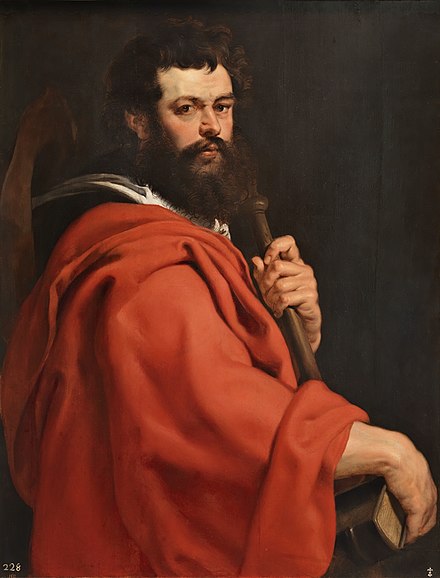
Why such love? The reasons abound:
As I prepare each week, in the forefront of my mind is always the question, “Will they come today? Will they show up? Will they want to hear the Word?”
And each week, they come. They share.
And we listen to the Word as I read it. We fellowship. We eat pizzas together and we pray. But most of all, we just listen to what the Scriptures teach.
It’s such a simple thing, in a sense. A room of men gather to break bread, fellowship, pray, sit under the teaching of the Scriptures, and then we go out. It’s a simple thing, but it’s also the fundamental and foundational thing.
Because that is the way lives are changed via the gospel–it is often one man, one woman at a time, bathed in Scripture, edified by fellow saints, bearing witness, not just hearing but doing.

