The transliteration is koinónia. It is κοινωνία in the Greek. It is usually translated into English as fellowship. Synonymns are “sharing in communion” or “participation/fellowship in the spirit.” Why the dive into words? In short, because they matter. In Scripture, the word occurs twenty times. Each time, it is associated with fellowship, enjoying a common joy communally because the members share a common relationship of Christian bonds.
This weekend I was able, once again, to be with some folks I adore. A couple from class opened their home to us and we brought food and the appetites. The hosts, too, prepared food and their home, and the Lord used the koinonia to encourage his saints.
We gathered ’round the tables spread with the labors of the ladies. The host prayed. We dug in. We laughed. We ate ham and potatoes and macaroni and apple pie and brownies and sweet potatoes and ice cream, and some sipped coffee or drank sweet tea. And some of us went back for seconds. More casseroles, meatballs, dirty rice, broccoli and cheese, and on and on. It was all delightful–the food, the beautiful home, the sunny Saturday afternoon.
I was sitting on our hosts’ back porch with six or seven other men, plates of goodness on our laps, and we chatted of the blessings of our church, of the gospel, and we watched three whitetails cross quietly across the backyard, just inside the line of trees. I am like a boy still when it comes to relishing nature. I watched the deer as they in turn watched us. I love to see them and the way their black eyes pulse with awareness, the way they stomp to alert the other deer that, “Hey, watch out. There are people over there!” kind of communications. Their long taut ears rotate back and forth like brown satellites, absorbing the intel.
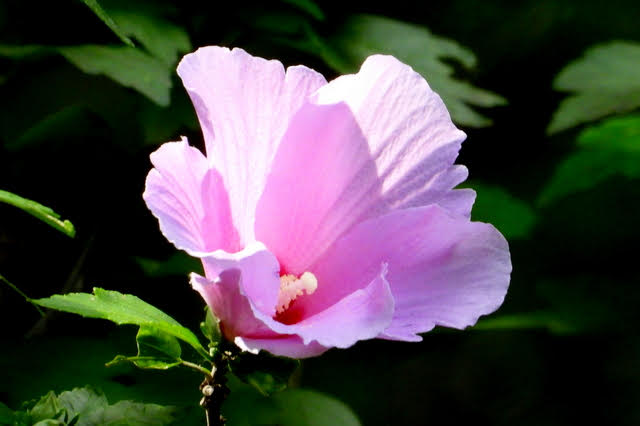
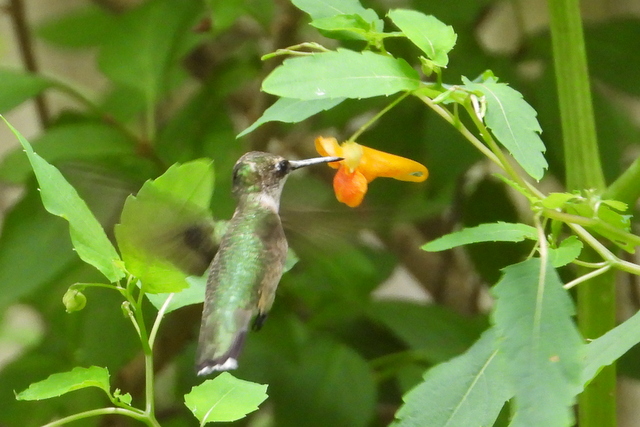
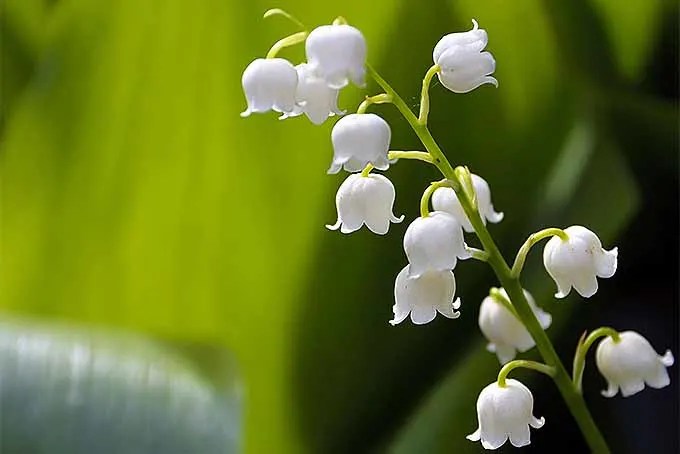
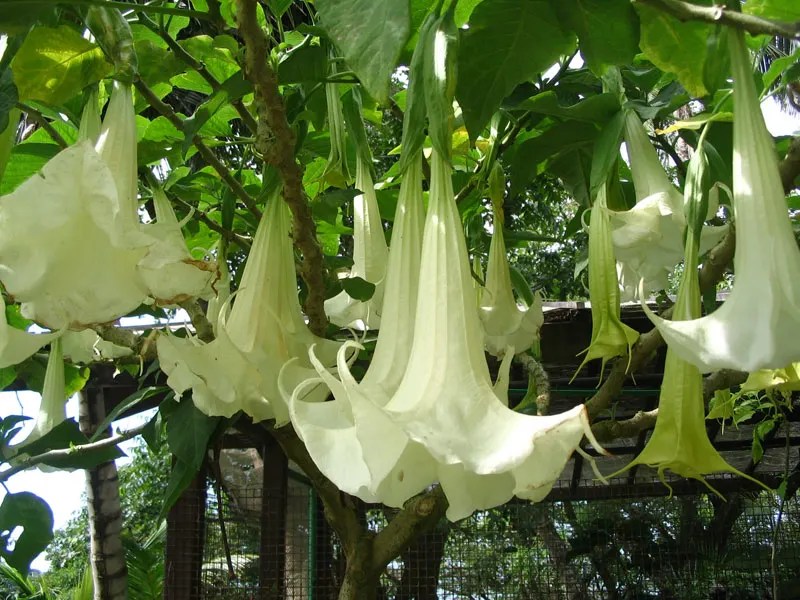
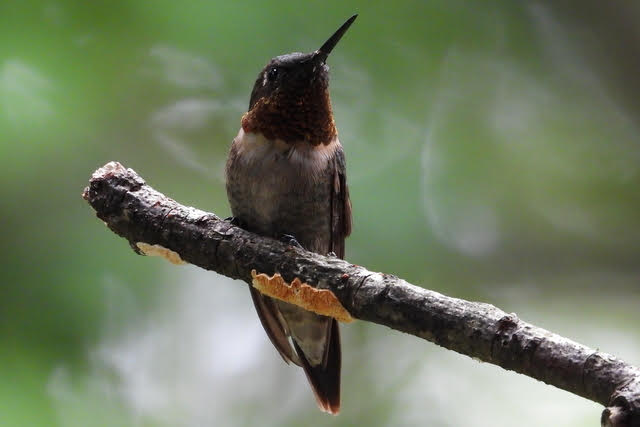
Then a hummingbird came up and started feeding from the lilies behind the house, too. Beautiful. Little trumpet-shaped lilies just a few feet the other side of the screened-in porch. The hummingbird’s silent wings flapped soundlessly but with breathtaking rapidity.
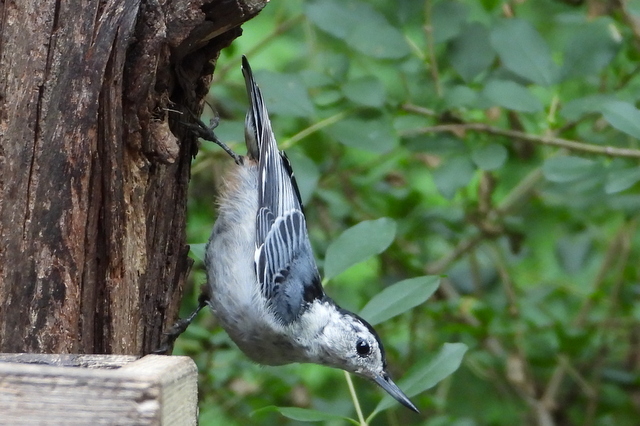
And earlier that day, a friend from the group, my buddy Jim whom I call my Barnabas, had emailed me photos of his favorite birds, the ruby-throated hummingbird, and it was again witnessing natural theology displayed, God speaking through the things he has made.

Sometimes when I think on such things, I look back in shame at the time I was a secularist. I had no one to thank for beauty. The universe in a secular worldview is just a cosmic accident, after all. It makes no sense to thank matter. Gratitude only makes sense if the world is superintended by personality. In other words, it’s God’s world and he has communicated part of his nature by the things he has made (all of us creatures).
That’s why poets write of trees and breezes and dawns and gloamings and why sonnets are penned of beautiful women the poets loved and why poet e.e. cummings wrote spring was puddle-wonderful and mud-luscious.
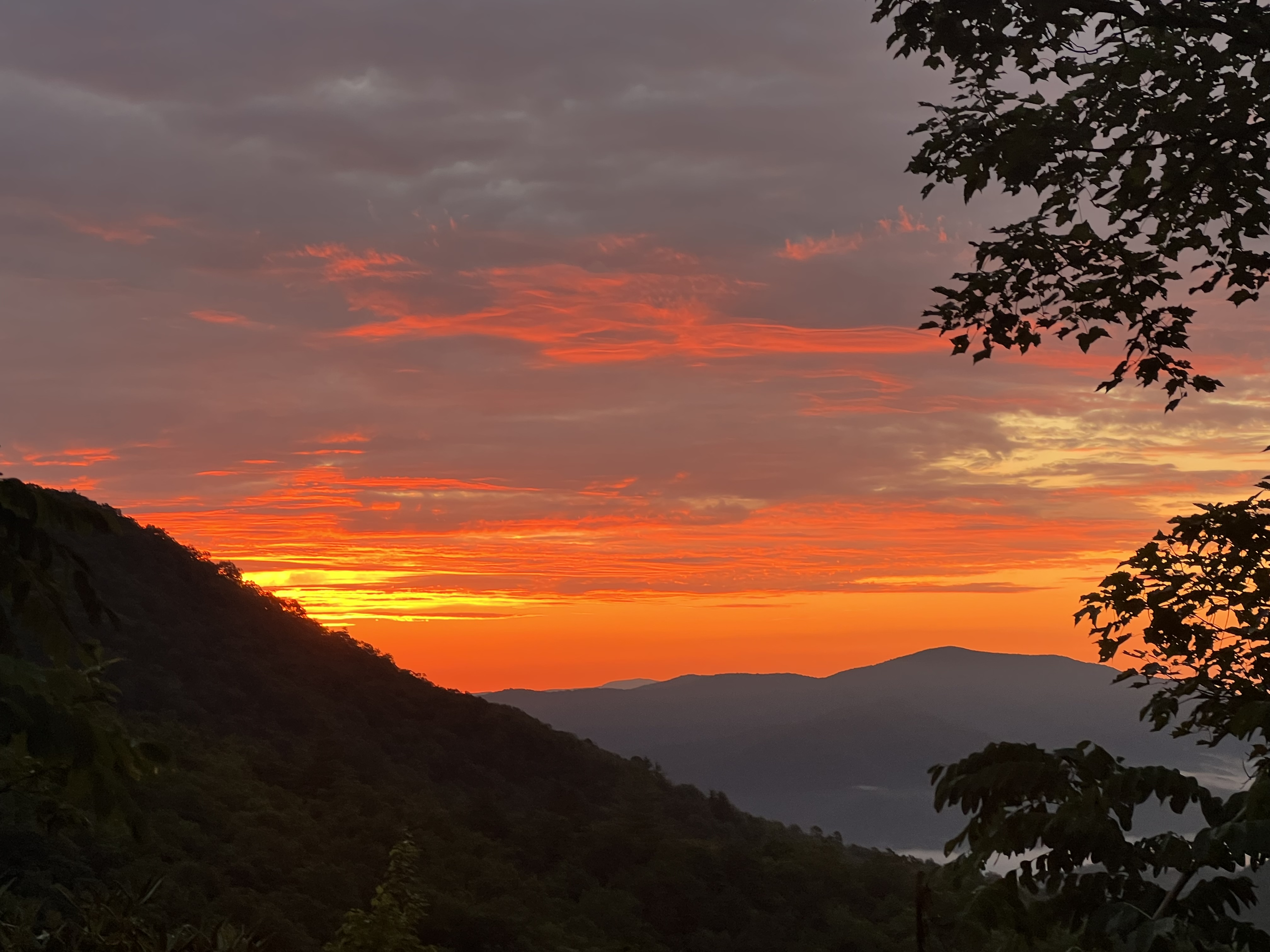
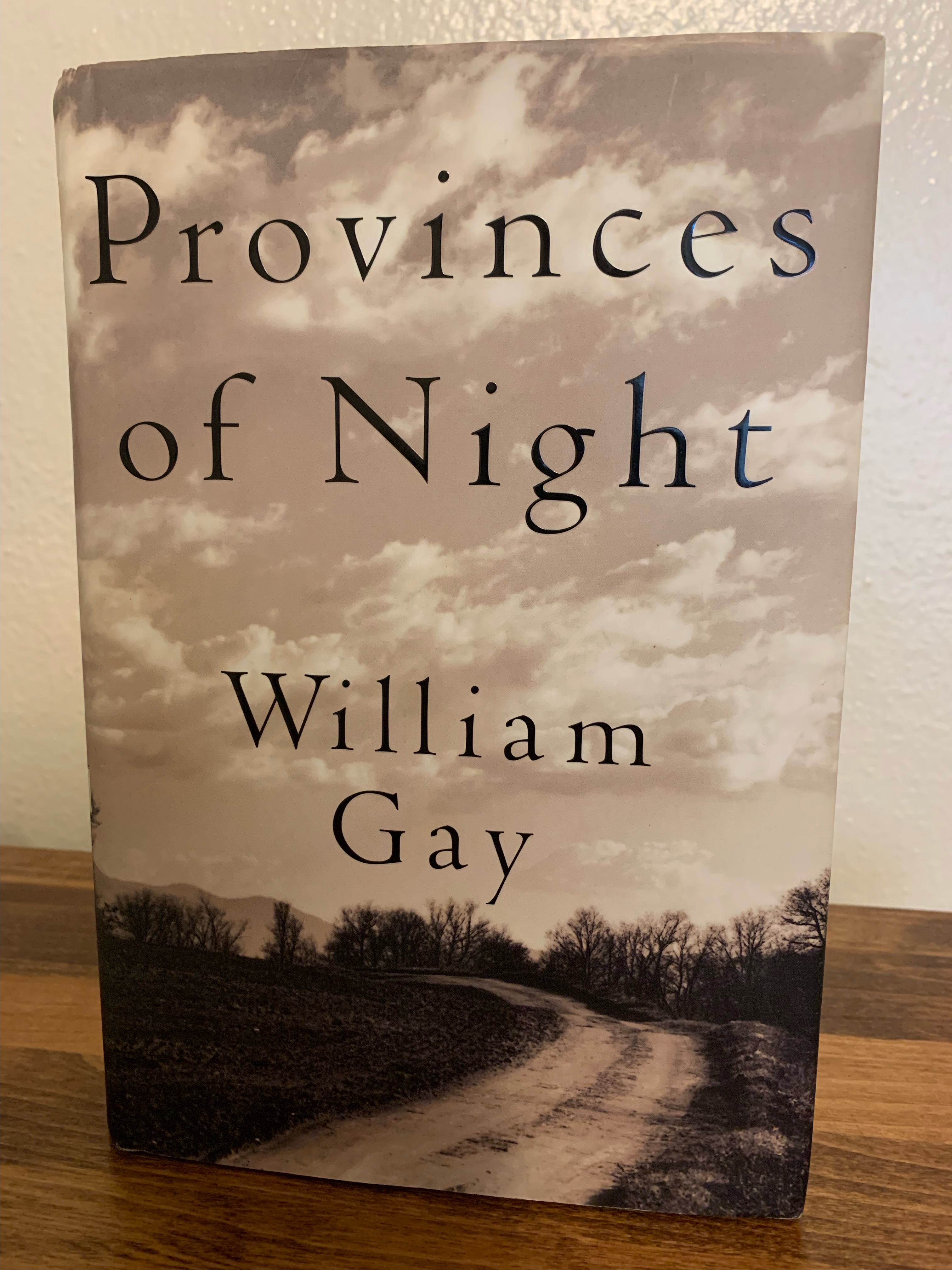
As I drove back to my place this evening, the cup of my soul was full. I had fellowshipped with the saints; I had talked with a sweet friend of our common love for all things C.S. Lewis; I had been encouraged by fellow men and women who see the world as God has revealed it, broken but beautiful, awaiting redemption.
Lilies, whitetails, hummingbirds, food, fellowship … and, well, koinonia. It’s enough to make you say, Thank you. And to understand why gratitude is fitting.