Really?

“Hey, chaplain, did Jesus really descend into hell?”

“Hey, chaplain, how old was Jesus?”

I was offering a devotional/message of encouragement/biblical word to soldiers. Some in the audience professed to be Christians. Other soldiers, when we shared with them up front I’d be speaking from a biblical worldview, left, wanting no part of the offer. Other soldiers were curious, and so remained. I taught from Psalm 143.

I walked them through how David–a soldier, a believer, a sinner, a redeemed man, often cried out to God for many things. First in Psalm 143, David called out to God just to be heard. Another way of saying it is that David wanted to know he was not alone, that the heavens were not silent. David prayed often to be reminded that God was there and that God heard him. This is crucial. Why? Because so many people, at least in my experience in ministry, feel abandoned and unheard. They feel discounted. But David cried out to God: “Hear my prayer, O LORD; give ear to my pleas for mercy!” (Psalm 143:1). But the good news (at least part of it) is this: God hears.

Second, David recognized that God is not far away from His people. God is near. David called God his refuge (v. 9b). He called Him, “my God” (v. 10b). David did not view God as a theological abstraction. David communed with God because he knew God was near and that God cared.

Third, David recognized that God is a deliverer by nature. “Deliver me from my enemies, O LORD!” David cried out (v. 9a). David prayed that God would “bring [his] soul out of trouble” (v. 11b). God is not a force “out there” or a deistic god who is incapable of governing the world. No; He is sovereign and knows all things and controls all things and knows right where you and I are, and what we are enduring. And He delights to deliver.

Fourth, God is for His people. What does that mean? It means He delights to give good things to His children (Matthew 7:11). It means that when we seek Him with all our hearts, He won’t turn us away (Jeremiah 29:13). It means He rewards earnest inquiry into truth (John 18:37-38).

Because I’m a questioner by nature, I asked for questions at the end. Some of them are above. One was about a phrase in the Apostles’ Creed about Jesus “descending into hell.” 1 Peter 3:18-22 and Ephesians 4:9 are parts of the New Testament that arguably inform this view. I did my best to address the soldier’s question about it and explain the main views through church history about the issue and some of the difficulties of each view.

Another soldier was curious about the age of Jesus at His crucifixion. Here again, I tried to explain dating paradigms and how Jewish and Roman calendars differed, and how we can miss the forest for the trees.

I asked the guys if I’d answered their questions. They were gracious and said, “Yes, chaplain.” Then I shared my testimony. I told them of how God broke me, how He used people in my life to break me of intellectual pride, and of how Jesus is the proof of what David prayed in Psalm 143. Jesus proves that God hears, that God is not far away, that God is a deliverer by nature, and that God is for His people.

I passed out business cards for them to contact me with questions. I offered the Lord’s Supper. I prayed with and for them. And I thank God that He may use flawed attempts like mine, and countless others’ faithful but flawed attempts, to bring many sons and daughters to glory. Why? Because that is God’s nature. He delights to do just that. He hears. He is near. He delivers. And He is for His people. Let us press on and fight the good fight of the faith that has been delivered to the saints.
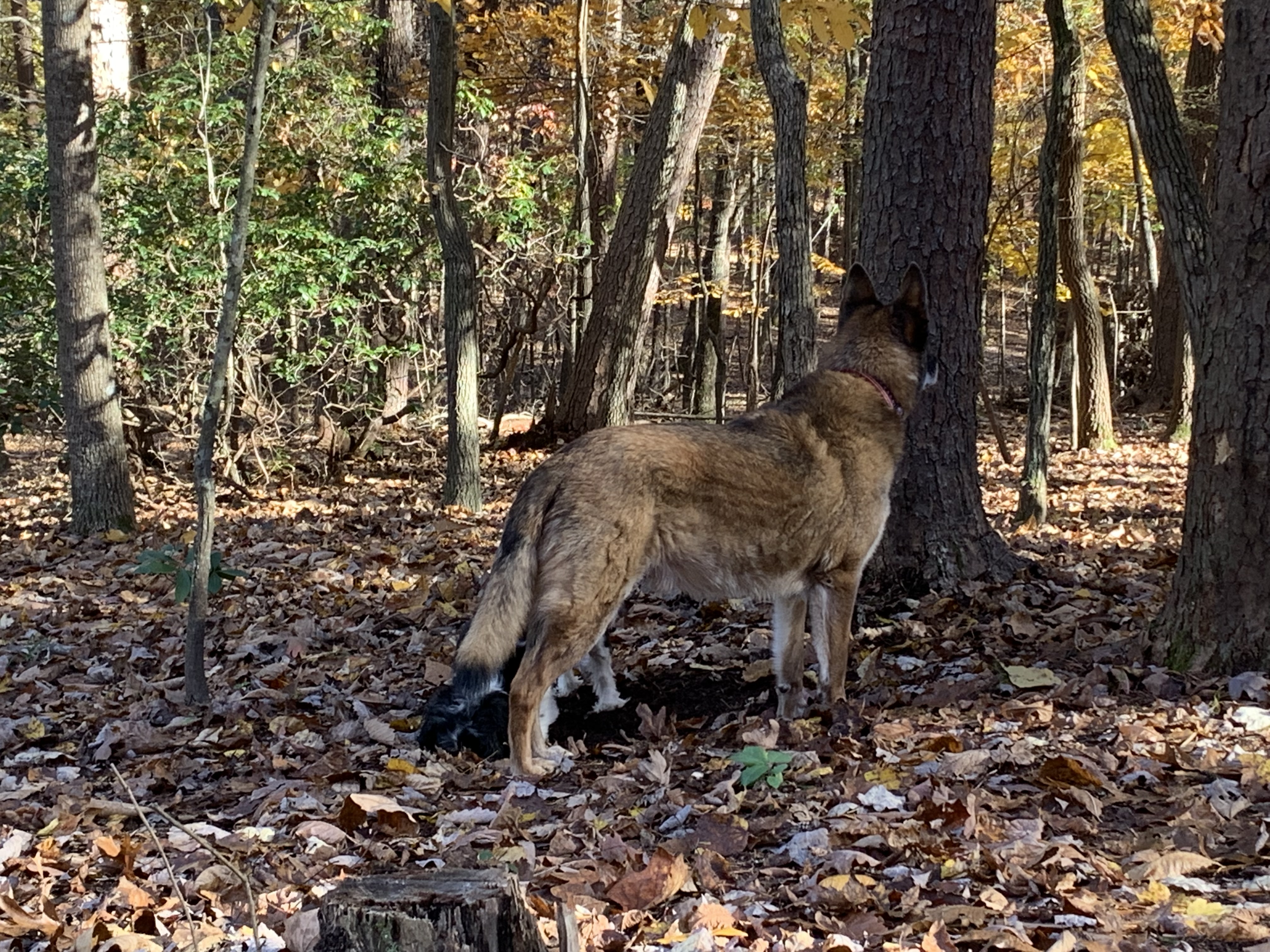

Among the Leaves

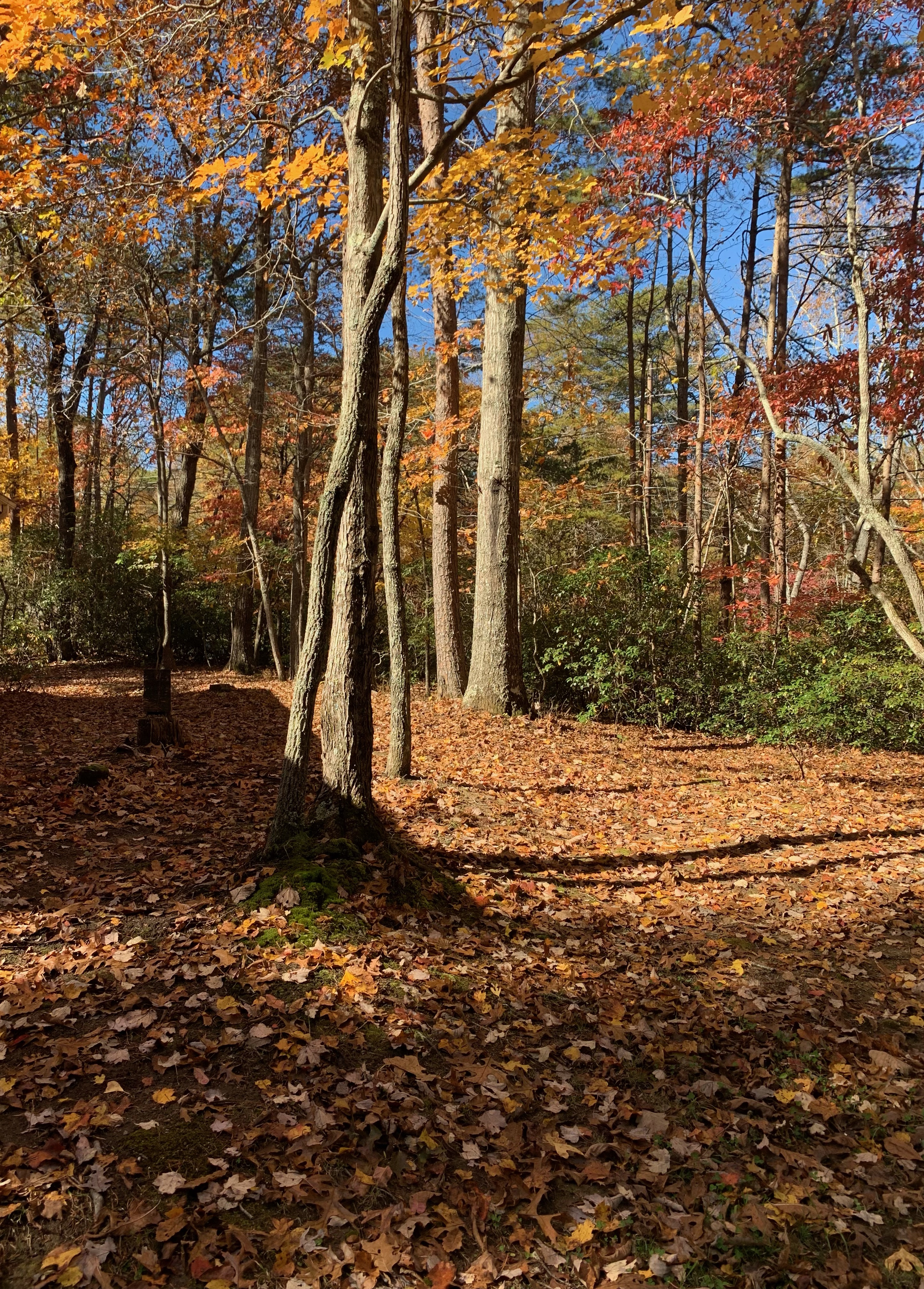
Today temperatures here were in the fifties. I spent pretty much all day outside with the dogs and in the woods. The pictures here are by no means refined. They are, like today was, natural, unrehearsed, and free for the taking.

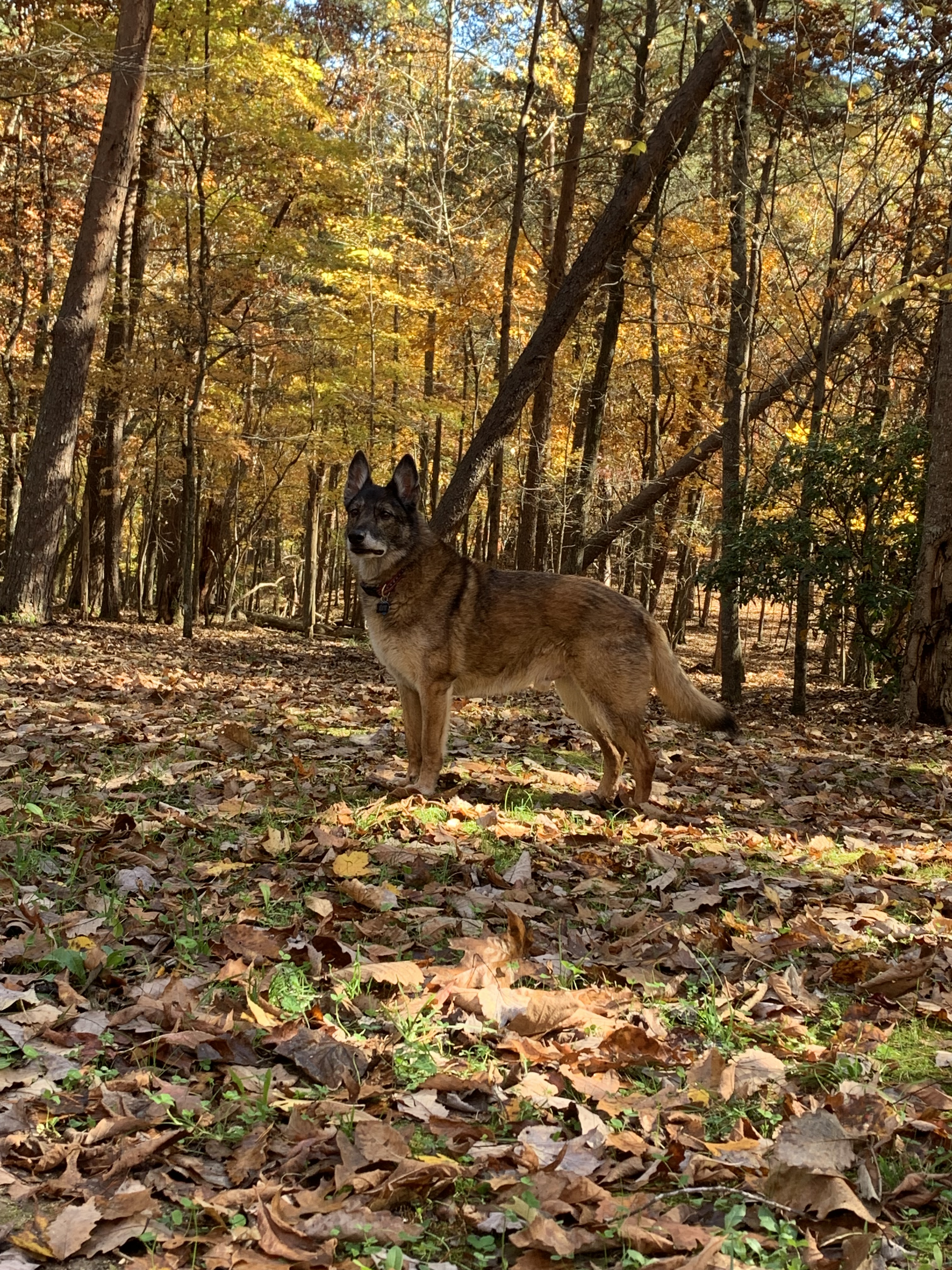
Brewster knows when the deer are nearby. Look at his ears.

And Lady, the Cavalier King Charles, well, she just likes to play and to be made much of.
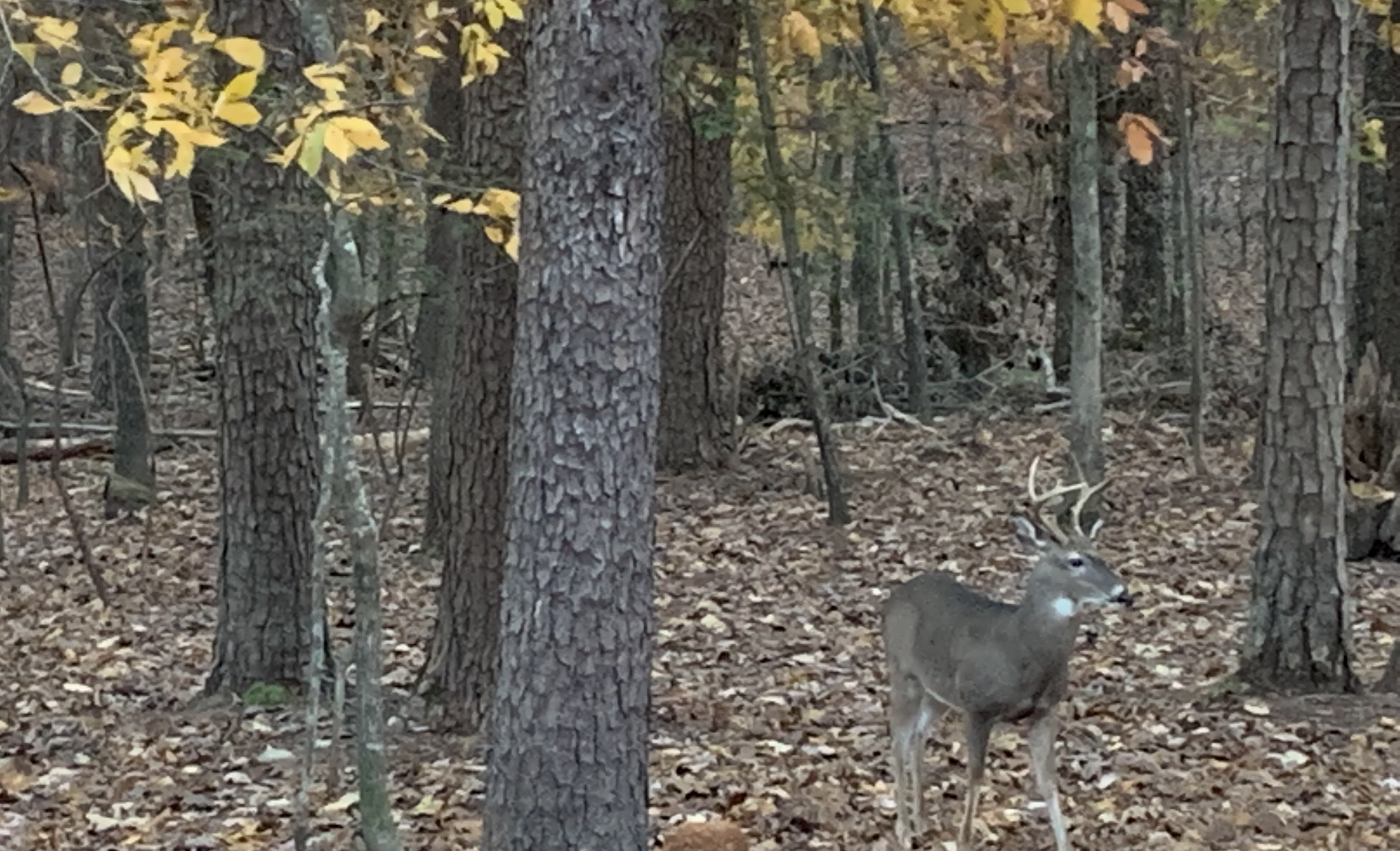
The little bucks come out early. The big ones wait till dark. (Something about age and wisdom.)
I completed a book, too. I could sit outside and read forever on days like this.

I piddled in the woods around the house. I raked leaves. I love to use my granddaddy’s old yard tools and remember him. I see his knotty hands with their bluish veins in my mind, clear as today’s sky.

I picked up limbs. I hiked with the dogs. We watched the birds enjoy the sunflower seeds I laid out.

We watched Jo-Jo, our cat, sun herself and stretch, and eye the birds. Her tail curled and uncurled like a hairy question mark.

And I’m a good tired now, having studied and prepared for tomorrow’s gathering of the saints, where we will assemble and study and sing and pray to, and because of, the Author of days like this.

Sunsets & Zingers from Chesterton

Where I have been recently the sunsets in the evenings rival the sunsets in the deserts of Iraq. Unless you are blind I do not understand how you could be unmoved. Well, that is not true, I suppose. I do understand how someone could be unmoved, but the reason for that has nothing to do with his eyesight. It’s not a physical problem but a spiritual one.

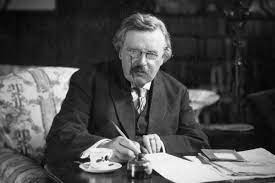
Though I tend to go back to the original sources (ad fontes) in my reading habits, there are some men so important, so wise, so enduring, that it is unwise to not read some solid biographies of them and their oeuvre, in addition to their own works. G.K. Chesterton is one such figure. His mind and pen sliced through the pomp of intellectual pretense. His witticisms often surpass those of H.L. Mencken and Mark Twain.

What does this have to do with golden sunsets in November? Chesterton knew that this world (and all of us creatures within it), though fallen, is charged with the fingerprints of God. The staunchest secularist does not look at his child and think, “What an accidental result of time, matter, and chance. Why should I love you?” Um, no. Listen to this zinger from Chesterton:

“A turkey is more occult and awful than all the angels and archangels. In so far as God has partly revealed to us an angelic world, he has partly told us what an angel means. But God has never told us what a turkey means. And if you go and stare at a live turkey for an hour or two, you will find by the end of it that the enigma has rather increased than diminished.”

In other words, creation is worthy of wonder because it attests to its Creator. Since the book of creatures is beautiful, how much more beautiful is its Author.

I appreciate the ability to express ourselves through the internet and various media outlets. That ability can be a huge blessing. In times of separation from loved ones, I’ve nothing but praise for FaceTime and WhatsApp, for example. They can lessen the loneliness of being separated due to work, deployment, etc. But when one gets to a place where he substitutes distraction for depth, he has forfeited the good things involving depth, beauty, and wisdom for shallowness, distraction, and kitsch.

Thanks, G.K. You saw things. More importantly, you understood why we are to see things. That makes all the difference.

One Line from Solzhenitsyn

“A word fitly spoken is like apples of gold in a setting of silver,” is a way Scripture explains imparting biblical wisdom.

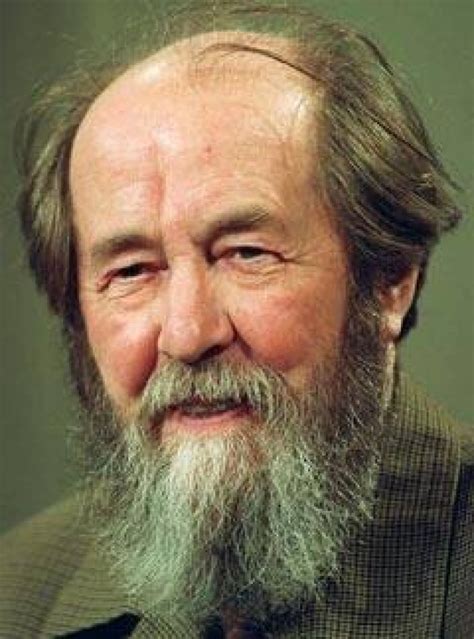
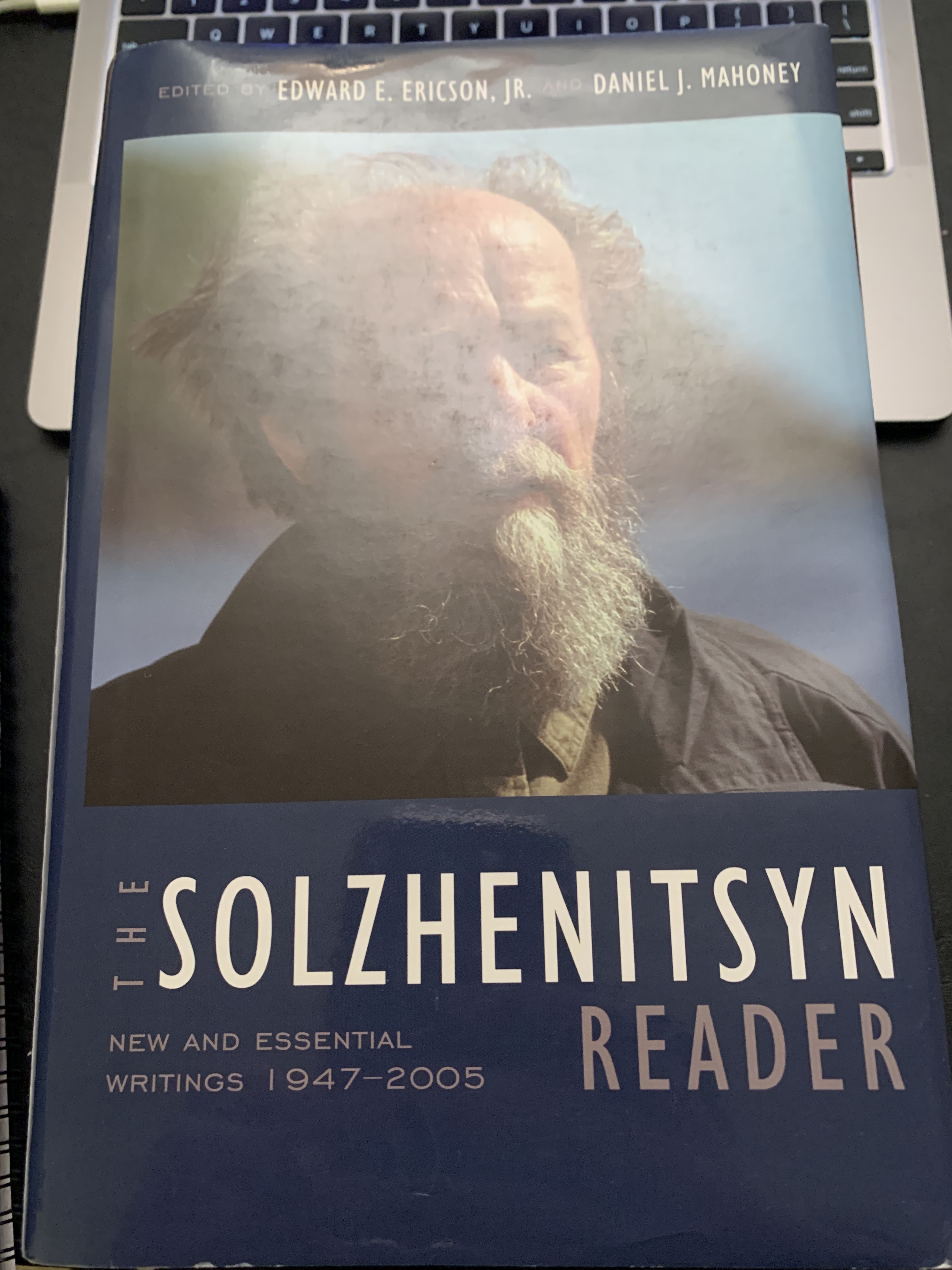
Today I got a text from a brother in the Christian worldview, a brother in ministry. He texted me this gem from the Christian martyr Alexander Solzhenitsyn: “To stand up for truth is nothing. For truth, you must sit in jail.”

If you take some time to read Solzhenitsyn, think about what he wrote, said, and lived out–and look what it cost him–it may inform the way you interpret and address the melee and subversion we are enduring in our days (or is it daze?).

With Hands & Arms Outstretched

She was standing on the side of the interstate, screaming, jumping up and down, as smoke poured from the car’s engine. There was a young man beside her, dialing on his cell phone frantically, and trying to calm the woman, but she continued to point at their car as she screamed. The car roiled in smoke. Flames could be seen through cracks in the car’s parts. The woman had her hands outstretched. She appeared as one pleading, petitioning.

In another location, I-85 headed north was locked down for nearly six miles. The vehicle (I was driving south), when I passed it, was overturned and burning. Then there were multiple vehicles behind it, having crashed into one another like dominoes of catastrophe. A Hispanic family stood adjacent to the state patrol cars, near the shoulder of the road. A platoon of children scurried nearby, bewildered. Several in the group had their hands outstretched–in exasperation or prayer, I cannot say which.

Maybe I’m imaging things, but there seems to be a significant increase in the volume and severity of automobile accidents recently. I’ve spent a lot of time on the interstates recently, going hither and yon. I was out of town today, too, but I got a friendly text from a peer with a message inviting me to join him and his family at their local church. I texted him back saying I was planning on being there.

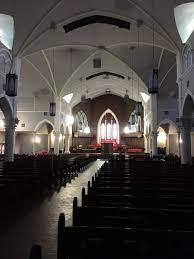
When I pulled into the parking lot I was touched by the sheer beauty of the church’s architecture. I sat in my car for a moment, grabbed my Bible and journal from the passenger’s seat, and followed some others into the narthex. Greeters stood in the narthex, greeted all of us, offered us a bulletin containing the order of worship and liturgy.

I immediately felt a pull here. The structure of the church, the way you entered the nave, the way the musicians were off to the side, not on a stage like one might witness in a concert venue, the way the chancel was the focus of those gathered–it all moved me spiritually.

There was a prelude, a call to worship, Songs of Ascent, a greeting from the senior teacher-pastor, prayers of invocation, songs of praise, a baptism, a reading from the catechism and Scripture about what Christian baptism signifies, a time of individual and corporate confession of sin, more songs (of assurance, of God’s pardon, etc.).

I sat with my peer and his family about two-thirds of the way back in the nave. We sang. We sang together. The acoustics in the church were spectacular. I could hear the harmonies sung by members in the congregation. Sometimes I would just pause . . . and listen.

These guilty hands are raised, filthy rags are all I bring,

And I have come to hide beneath Your wings.

These holy hands are raised, washed in the fountain of Your grace,

And now I wear Your righteousness.

In front of me, a white-haired married couple sat near the front. They were probably in their eighties. I watched them both as we all sang. They raised their hands. We all continued to sing. The man rocked a bit in rhythm as we sang the chorus, which he obviously knew well. His wife had her hands outstretched as if she saw not darkly but in full. They were beautiful to behold as we beheld the God who has revealed Himself, the God who has visited His creation, and dwells among His people.

I have seen horrors this week on the nation’s roads–families weeping with their arms outstretched in exasperation, in cursing, in pleading, in petition. And I have seen saints with arms outstretched in praise, confession, in assurance of pardon, and in song. The God who is remains the same–unchanging, near to all who call on Him in truth.

Training God’s Troops

When I was a seminarian, I had a pastor-friend who, when he was teaching one night, mentioned that Hebrews was his favorite book of the New Testament. He was one of the most gifted teachers and fellow pastors I have known.

We are similar in our love of studying history and of how the book of Hebrews serves, among other things, as a commentary on the Old Testament as the blueprint for salvation history, the work of redemption. I think it was Augustine who said something like, “The Old Testament is the gospel concealed; the New Testament is the gospel revealed.”

For my fellow soldiers and civilians at Ft. B. Wednesdays from 1200-1300, we will continue an hour of fellowship, food (I’ll provide lunch), and time in the Scriptures–specifically in the book of Hebrews.

We will look at several themes we can relate to as soldiers, Christians, and/or anyone facing temptations of returning to one’s former ways.

We are all at different places in our pilgrimages, but we can work together as a team, and trust the Lord, as His Word addresses the following (and more) themes in the book of Hebrews:

  • Fear (of others, of being ostracized, of persecution, of not having all the answers)
  • Accurate faith in the hero of redemption: Christ
  • Perseverance
  • Trustworthiness of Christ & Christianity amidst hostile & competing worldviews

If you are nearby or can follow the blog, I’ll update the lessons for any/all who are interested.

Pro Deo et Patria (“For God and Country”),

–Chaplain Pirtle

Why Assay?

Why pay attention? Because if you don’t, you may be forfeiting more than a snapshot.

One of my favorite poems is Walt Whitman’s “A Noiseless Patient Spider.” Here is the whole poem:

A noiseless patient spider,
I mark’d where on a little promontory it stood isolated,
Mark’d how to explore the vacant vast surrounding,
It launch’d forth filament, filament, filament, out of itself,
Ever unreeling them, ever tirelessly speeding them.

And you O my soul where you stand,
Surrounded, detached, in measureless oceans of space,
Ceaselessly musing, venturing, throwing, seeking the spheres to connect them,
Till the bridge you will need be form’d, till the ductile anchor hold,
Till the gossamer thread you fling catch somewhere, O my soul.

Typical of the literary period of Romanticism, Whitman emphasizes the individual, the power of imagination, and the individual’s search for transcendent meaning.

A Slice from Contemporary Life: Over recent days, I have tried to assay–to really pay attention, examine, look at carefully–beauty. Whitman watched the spider launch filament out of itself in a search for an anchor. Foundations are crucial for all creatures. Even Whitman admitted that.

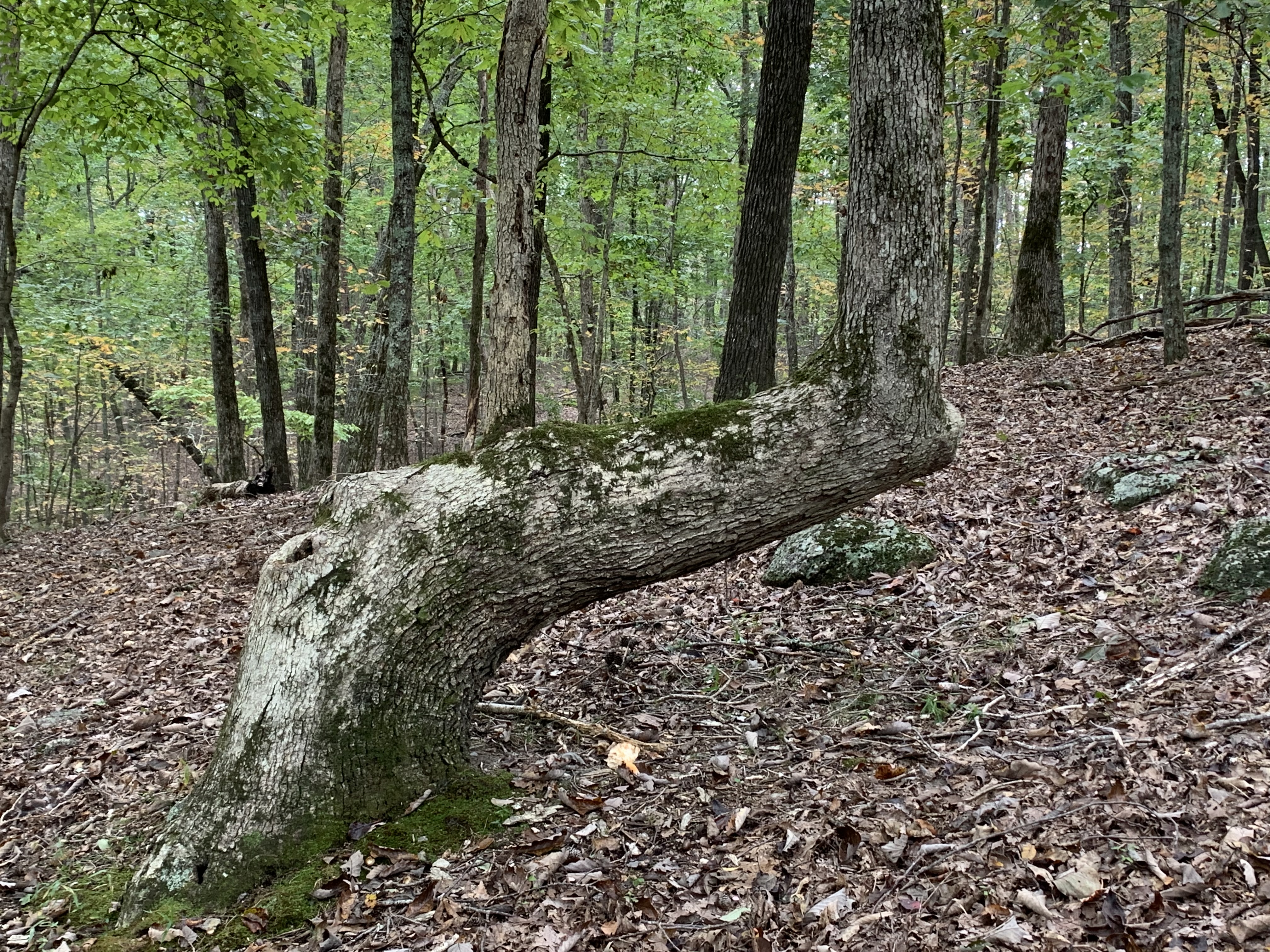
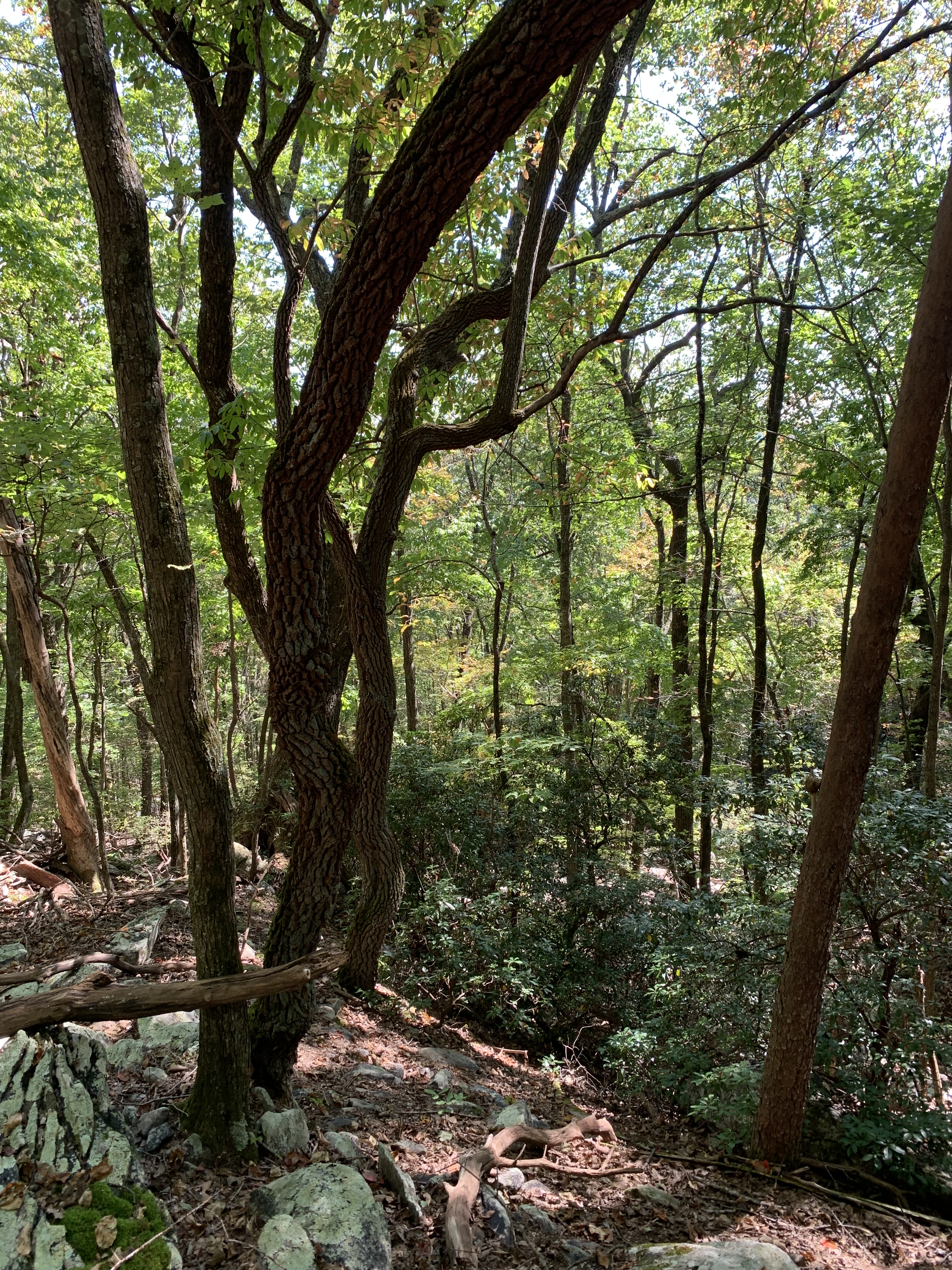
A few days back I was hiking, and I passed a tree that I’ve stopped at many times before (pictured below). Yet again I paused, sat on it, wondered how and why it grew the way it did (what is its background story?). It was beautiful in its own way, knots and all.

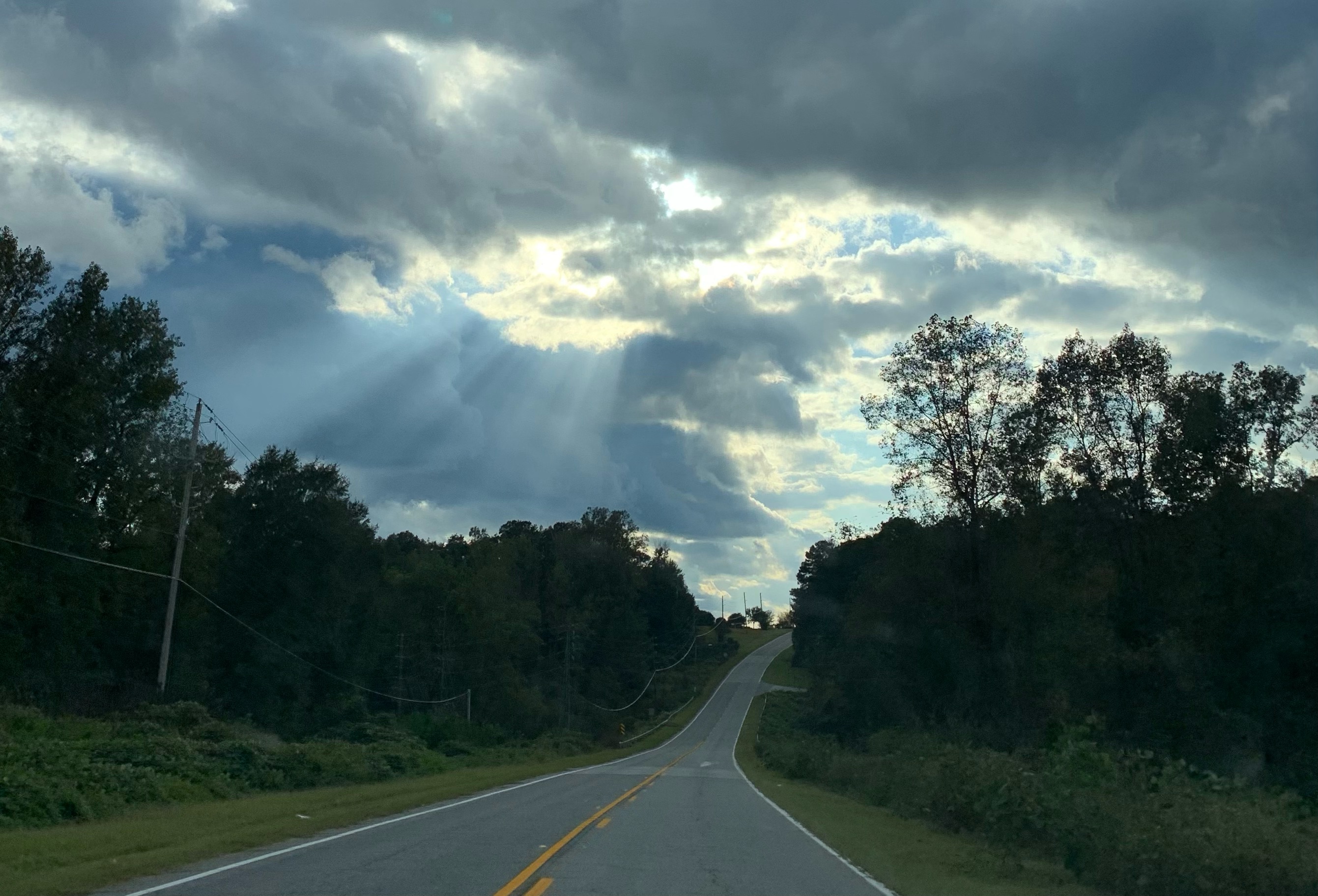
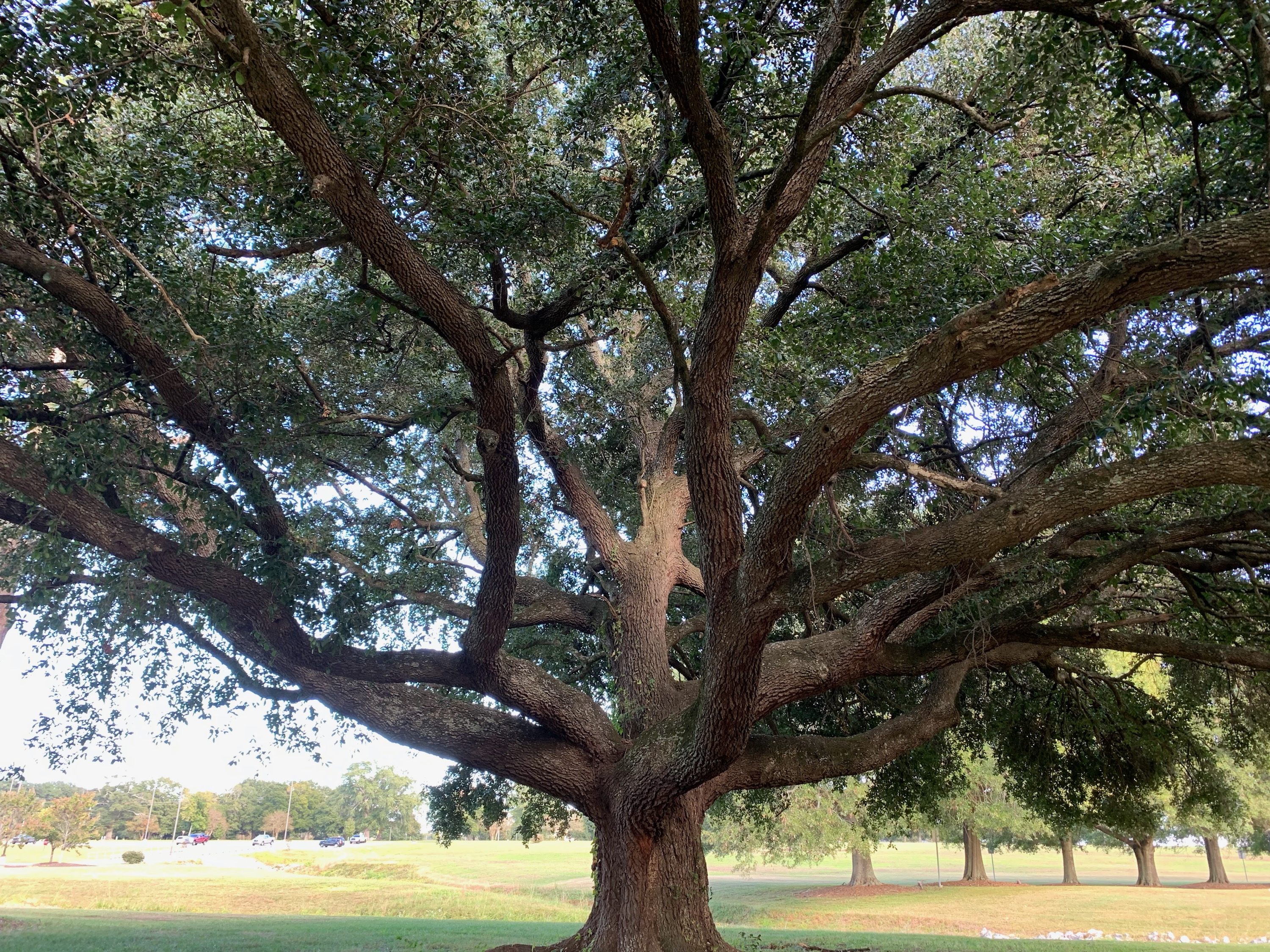
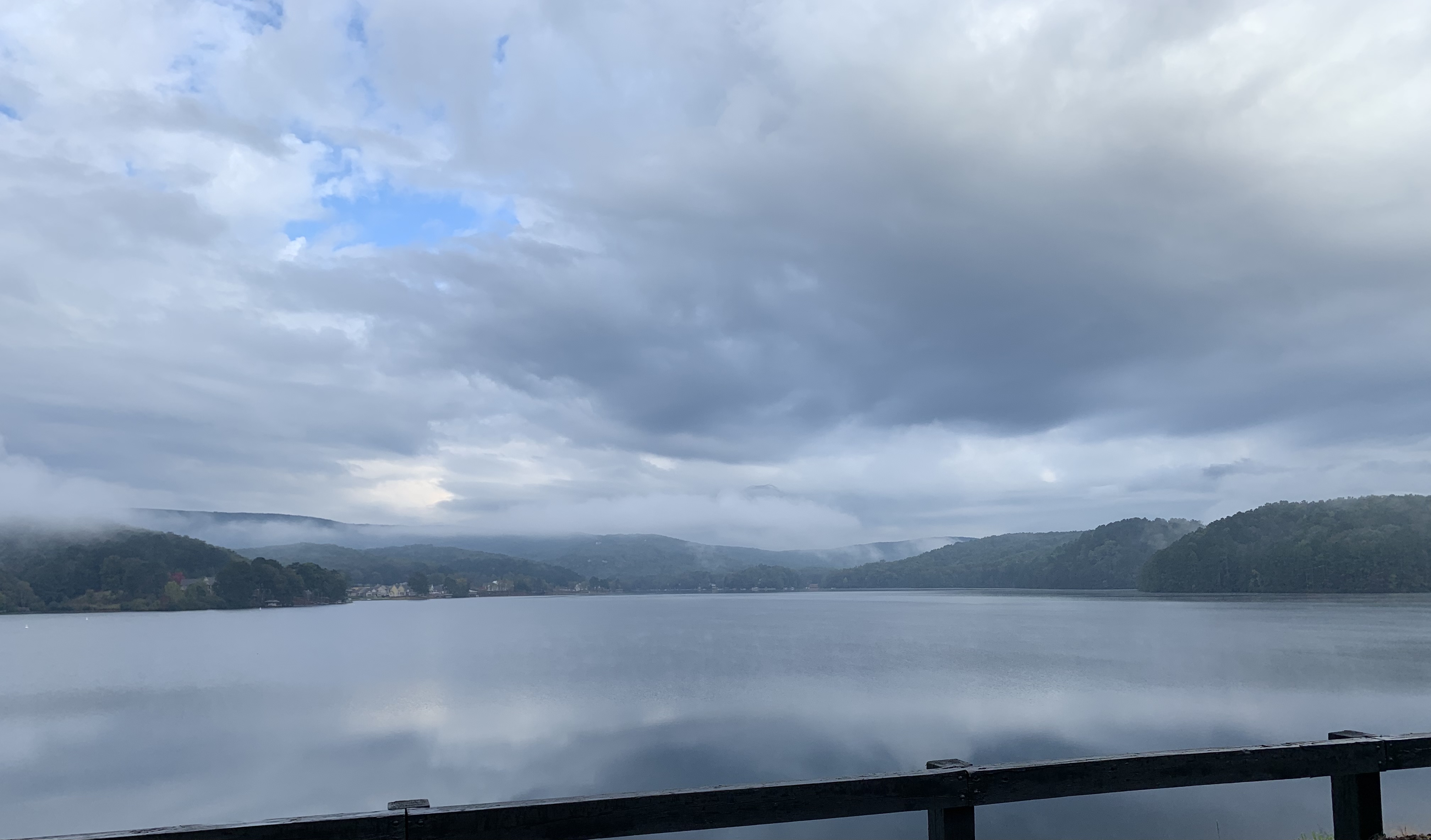
This week, at least where I have been, the weather has gone from sunny and warm, to rainy and cool, and everything in between. I have snapped shots, whenever I could, of images that arrested me. Sometimes the sun would cut through the clouds when I was running (okay, jogging is probably more accurate). At other times, the live oaks that grow abundantly here took me back to childhood days when I would climb their massive limbs and smell the oaks and the soil in landscapes I have never outgrown.

Whitman’s soul longed for a place to land, a place to anchor. I think he touched on what great writers sense–that we creatures look up at the sun piercing the clouds, and out at the trees which grow for centuries, and marvel because there is an architecture to this world only God could fashion. And we are blessed when we pause, look around (and even up), in gratitude.

Gratitude vs. Ingratitude: A Clue to Your Theology

Yesterday I drove over 500 miles. I was on the road both when the sun rose and when it set. I drove through mists and rains on the trip south in the morning. When I returned north in the afternoon and evening, the skies still were filled with storm clouds from the rains but occasionally sunlight would throw lances of gold across the roads and the trees. When I neared my home, whitetails scampered across the roads. This season’s rut is nearing and so the bucks are growing careless because their focus is not on their own safety at the moment. Some of the trophy bucks who are normally solitary and otherwise keep off the beaten paths now appear more often in populated areas. I love to watch them, especially the ways in which their hides change colors with the seasons, the ways the bucks mark their territories via rubs and scrapes. I love to watch the fawns lose their spots and grow bigger and less skittish, their moms weaning them and teaching them to forage for themselves. It’s a spectacle wherein I feel gratitude. Gratitude reveals a lot about a person’s theology.

There’s a passage in Luke 17:11-19 where Jesus healed ten lepers who cried out to Him, “Jesus, Master, have mercy on us” (v.13). And Jesus did heal them, all ten of them. Guess how many came back to thank Jesus? Ten? No. Nine? No. Eight? No. How about five? No. How about two? No. How many lepers, miraculously healed by the Lord Jesus of their leprosy, thanked God? One. Again, gratitude reveals a lot about a person’s theology.

And Jesus’ subtle response? “Were not ten cleansed? Where are the nine?”(v.17). When a person demonstrates thankfulness/gratitude, he reveals his theology.

I had some good news come my way recently. I accomplished two big professional goals I had set for myself. Plus, a door opened in ministry for me, something I have wanted to do for a long time, a position I’m beginning soon. And I am, well, grateful. God gives good things.

Folks divide into those who feel and show gratitude and those who don’t. For me, it seems the scent of gratitude is better, proper, in accordance with design. It reflects the proper order of things, our dependence upon the Creator, our posture of thankfulness to Him who does all things well.

Remembering Your History

Illustration: Over recent days I was able to take to the trails again. I took different routes this time, steeper ones. The views always more than repay the efforts needed to make the climbs. The flora differs on the rocky ascents. Laurel fills the saddles. Rock outcroppings serve as handholds on the spurs. Felled trees from the winds lay in abundance. I strung up my hammock at a good spot, unzipped my ruck, retrieved a Gatorade and a book. Today was a sample from one of my enduring favorites: Flannery O’Connor. She had a sharp tongue, a sharper pencil, and a mind aflame with the things of God. And because all things exist under the sovereignty of God, she wrote about a lot of things–some pretty, some grisly.

I looked down towards the direction I’d ascended the last few miles. Still breathing heavily, pulling on the Gatorade, the wind against my sweaty face felt good. When I looked back at various times, several passages came to mind. One of them was an enduring favorite from the pen of Moses when he wrote to Israel in Deuteronomy 7:

Wisdom from God: For you are a people holy to the LORD your God. The LORD your God has chosen you to be a people for his treasured possession, out of all the peoples who are on the face of the earth. It was not because you were more in number than any other people that the LORD set his love on you and chose you, for you were the fewest of all peoples, but it is because the LORD loves you and is keeping the oath that he swore to your fathers, that the LORD has brought you out with a mighty hand and redeemed you from the house of slavery, from the hand of Pharaoh king of Egypt. Know therefore that the LORD your God is God, the faithful God who keeps covenant and steadfast love with those who love him and keep his commandments, to a thousand generations, and repays to their face those who hate him, by destroying them. He will not be slack with one who hates him. He will repay him to his face. You shall therefore be careful to do the commandment and the statutes and the rules that I command you today. (Dt 7:6-11)

Context: Moses was reminding the people that God’s people are chosen by God and chosen for holy purposes. It was not that they were special in and of themselves. Far from it. They were not special. It was simply God’s sovereign grace towards them. He chose them, not vice versa. And Moses the mediator was reminding these people that God is faithful, that He keeps his covenants and promises, and that He repays. God is not fickle. He is not a fair-weather friend. No, He is unchanging, holy, and faithful.

Connection and Encouragement: Today my wife and I celebrate 20 years of marriage. I am certainly nothing special but I do know this: I would not be where I am without the grace of God towards me, without the patience of God towards me, and without the faithfulness and patience of my wife towards me. She keeps the train of our lives on the tracks while I get to do what I love.

When I looked back down the trails, I could see the granite outcroppings, streams I had crossed, massive trees above and below, and I looked down, and then up, and then out and across at the display before me. I tried to recall the passage from Deuteronomy from memory. God calls His people not to forget Him, not to become smug, not to be proud–but to be faithful, humble, and to work hard at what He has commanded us to do. He gave me a good thing when He brought her to me (Pr 18:22) and it is my joy to provide the best I can. I’m remembering my history while on the trail this week, and I am glad it has been, by God’s grace, with my CJ. It is important to remember our history and the faithfulness of the Lord, and the faithful ones He puts in our lives.