Death is an enemy. In the Christian worldview, it’s called “the last enemy.” Paul wrote, “The last enemy to be destroyed is death” (1 Cor 15:26).
This piece has two points: 1) Death is inevitable and 2) For all who are in Christ, death ushers Christians into the very presence of God. Death is, therefore, to be understood as a transition into God’s presence. Why? Because of the person and work of Christ.
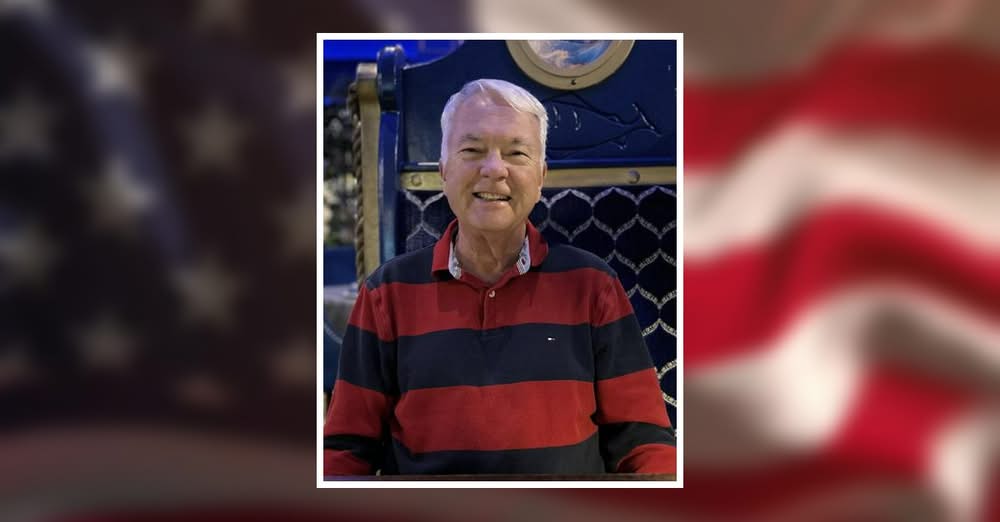
This past week, I ‘lost’ a friend, Mr. David, to death. Leukemia ravaged his body. Physically, his white blood cells were eating the healthy blood cells. He had to have injections of platelets–again and again. But eventually, even that was insufficient.
First, like you, I feel the deep pain of loss. But I do not grieve as those without hope. God is bigger than death. Through Christ, God has conquered death for his people. And God is omnipresent; he is as near you as the person to your left and right. Near to us in our time of sorrow. Know that in your bones. God is near.
Let us acknowledge the sorrow of this time. We know that God understands sorrow. Jesus wept at the loss of a friend. In John 11, the apostle John records that when Jesus lost his friend Lazarus, Jesus “was deeply moved in his spirit and greatly troubled” (Jn 11:33) and in verse 35, the apostle John records that Jesus wept.
Mr. David worked in the IT field for much of his career, then Disney in his later years, and was a “fixer” of almost anything. Prior to his civilian career, he was a U.S. Marine, and worked on helicopters. I knew him after he’d retired. He was a faithful churchman, businessman, and an avid traveler. He and his wife and their friends traveled across the country many times and have set foot in all 50 states. And their stories of RVing with friends made for many sweet conversations I had with them both.
When I was Mr. David’s Sunday school teacher and pastor, he was undergoing medical treatments, I’d always go to him and ask how his week was. He’d never complain. He’d answer my question but always end with, “I’m blessed. I’ve had a good life.” I could tell he was in pain, but true to his nature, he didn’t complain. He eschewed the temptation lesser men might’ve had to feel sorry for themselves. And he’d invariably encourage me by saying kind words about my teaching and ministry, and we’d laugh and embrace. He was an encourager.
When I reflect on Mr. David’s legacy, I always remember him telling me of his peace. His supernatural peace. He did not fear death. Because he knew he’d open his eyes not in judgment but in benediction in God’s presence. Let me say this lovingly: Mr. David died well. Like Job, he knew that his redeemer lives, and he (Mr. David) also lives, because Jesus had prepared a place for him. So, yes, we grieve, but not as those outside of the gospel.
For all who are in Christ, death is not the end, life is. It’s a transition into the presence of God. Jesus, who cannot lie, promised resurrection and heaven to his people. 2 Cor 5:8 says that the believer, when away from the body, is at home with the Lord.
In his last letter he penned, the apostle Paul wrote in 2 Timothy 4, “I have fought the good fight, I have finished the race, I have kept the faith. Henceforth there is laid up for me the crown of righteousness, which the Lord, the righteous judge, will award to me on that Day, and not only to me but also to all who have loved his appearing” (2 Tim 4:7-8).
So, to the extended family, friends, and all who loved him, we love you and we loved Mr. David. We acknowledge our sorrow, but we also have the ultimate victory through Christ the Lord.
Let me leave you with this: If you are in Christ, dear ones, you will see Mr. David again. All will have been made well. But there’s one condition: be in Christ. Be in Christ and be made whole, be made well. I will see you again, dear brother. Well done. See you soon.

