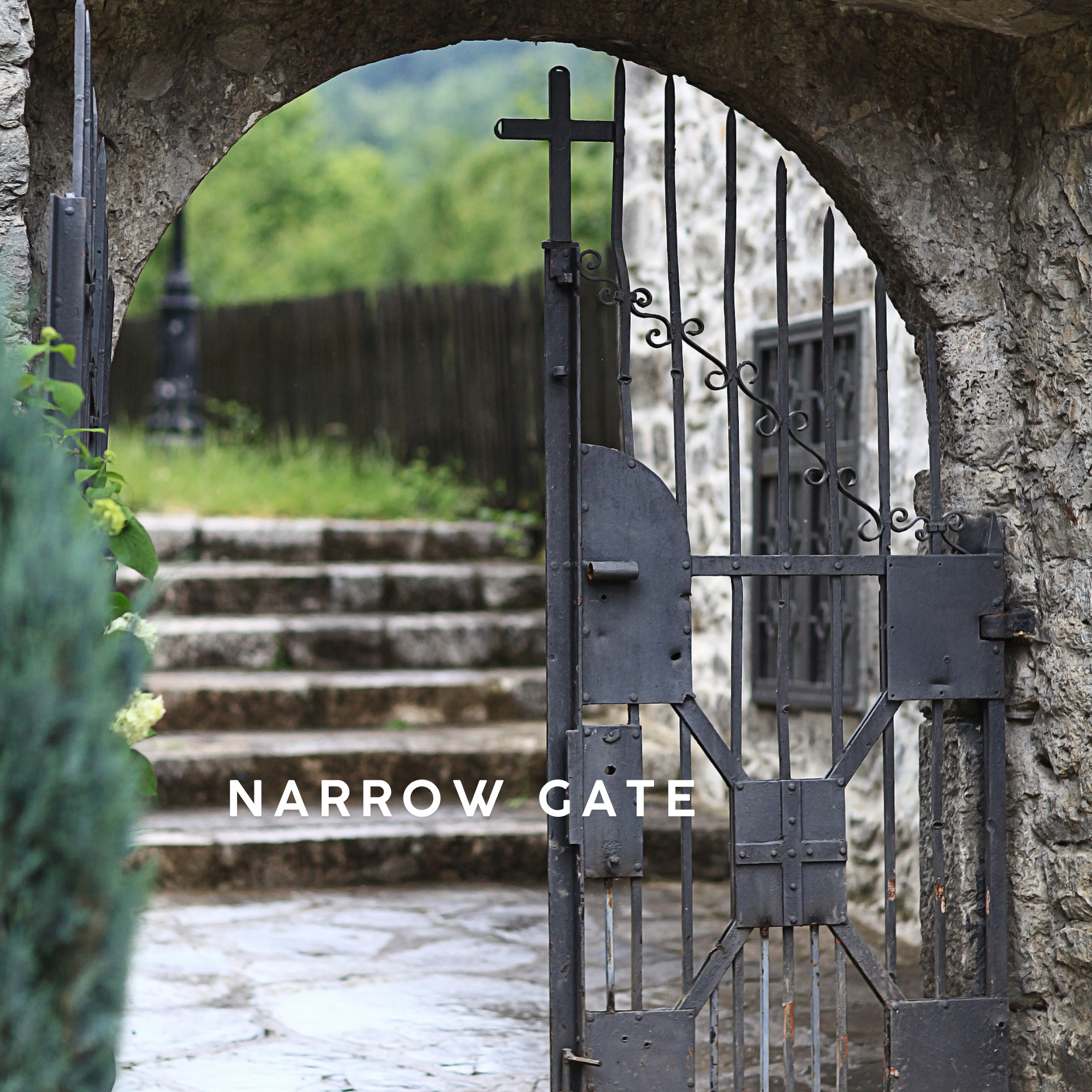
Introduction: This morning I was reading in Matthew 7. Towards the end that chapter we read these words from Jesus: “Enter by the narrow gate. For the gate is wide and the way is easy that leads to destruction, and those who enter by it are many. For the gate is narrow and the way is hard that leads to life, and those who find it are few” (Mt 7:13-14, ESV).
Context, Context, Context: These words from Jesus are in the last sections of his “Sermon on the Mount” (Mt 5-7). This sermon is arguably the most oft-quoted sermon in the history of Christianity. Folks love to lift verses from the Sermon on the Mount, when it suits their purposes.
That is why proper contextualization is so important. Look at sections before and after Matthew 7:13-14 above. Who’s Jesus addressing? What’s the matter under discussion? To what issues is he speaking?
In short, Jesus had been addressing judgmentalism (Mt 7:1-5), hypocrisy (Mt 7:5), and the call to heal yourself before you rebuke others (Mt 7:12), among other issues.
Verse 12 is such a loaded verse, too: “So whatever you wish that others would do to you, do also tho them, for this is the Law and the Prophets” (Mt 7:12, ESV). The Law and the Prophets are two of the genres in the Old Testament. 1st century Jewish readers would have understood the Writings to be another section. But Jesus says here in his sermon that the Law and the Prophets (as bodies of divine authority) taught one overarching theme: the Golden Rule.
But then we get these very alarming words from Jesus in verses 13-14: “Enter by the narrow gate. For the gate is wide and the way is easy that leads to destruction, and those who enter by it are many. For the gate is narrow and the way is hard that leads to life, and those who find it are few.”
Those words should strike us. He has just told us to ask, seek, and knock (Mt 7:7), but then he says that the gate is narrow. That is, it’s hard to get through. Why? Well, because it cuts against the grain of human nature. It calls for self-denial rather than self-importance. It calls for loving others rather than loving self. It calls for sacrifice rather than indulgence.
Jesus contrasts the narrow gate of himself with the broad way that leads to destruction (v. 13). The broad way, he says, is the easy way. It doesn’t take self-discipline to go the broad way. It requires merely self-absorption, and that’s in great supply.
He says the gate is both narrow, and it is hard, and that those who find it “are few” (v. 14). That should call us to sober thinking rather than sentimentality. It takes work, diligence, self-discipline, self-denial, and a regenerated soul to be able to live the Christian faith. It’s not just some casual thing.

