
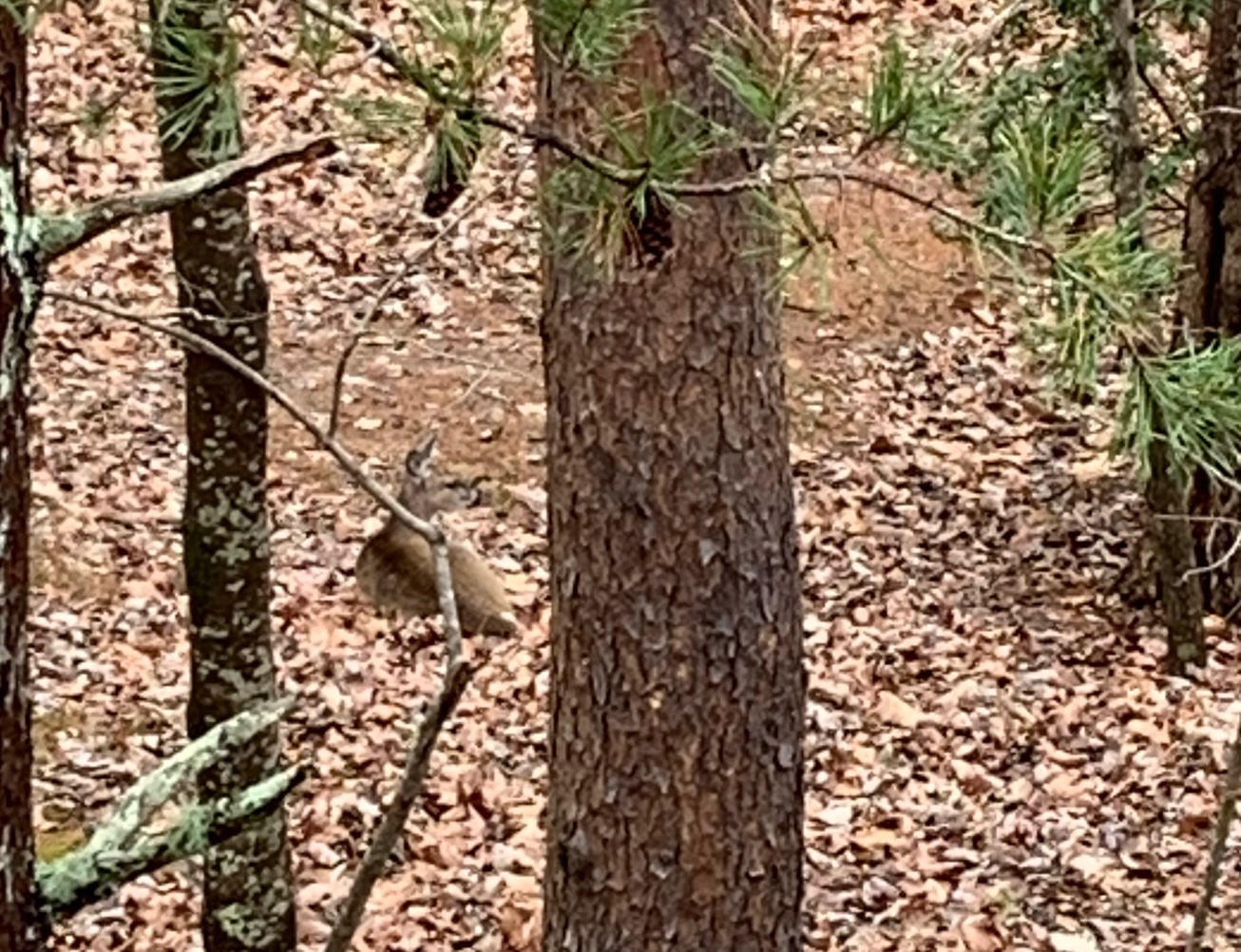
Under the day’s leaden sky I watched several does poke their noses into the damp leaves. The does’ hooves pawed the ground and their eyes and ears, attuned to my perch, lifted occasionally towards me, while the youngest one lay among the leaves.

My friend Jim delivered the goods again.
Enjoy.







First, my favorite living writer released The Passenger and Stella Maris recently. I’ve read The Passenger already and am still reeling. Looking forward to getting into Stella Maris next month or first thing in 2023.
Second, Michael Farris Smith’s Rivers. Smith’s body of literary work is not to be misjudged. Track wholeheartedly with his affections.
Third, the incomparable P.D. James. Wow, what a mind. In this piece we see a bit into what makes her tick.
Fourth, another biography of Melville. The more I read, the more I see the debt the world owes Melville for his masterpiece, Moby Dick.
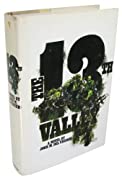
Fifth, The 13th Valley was a novel about the Vietnam War I read when I was 17, and fascinated with all-things-Vietnam-war-related vis-a-vis “war novels.” I’d read the masterful The Things They Carried and all the Caputo stuff, but this novel really got me. It still does.
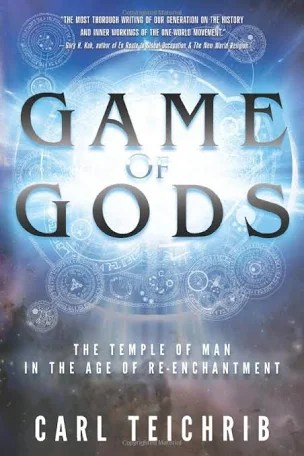
Sixth, to state the obvious, we’re amidst the rebirth of pagan religiosity in the West, earth worship, and a return to sexual madness that is doomed unto divine judgment. And Teichrib’s magnum opus is a central text to understand the West’s love affair with its undoing.
Seventh is a novel I’m only marginally familiar with. It promises to be a bit of a stretch for me, at least in terms of subject matter, but we shall see.
Eighth and finally, though not in order of literary ranking, is Franklin’s Crooked Letter, Crooked Letter. Franklin has become one of my favorites.
Tolle lege. Take up and read.
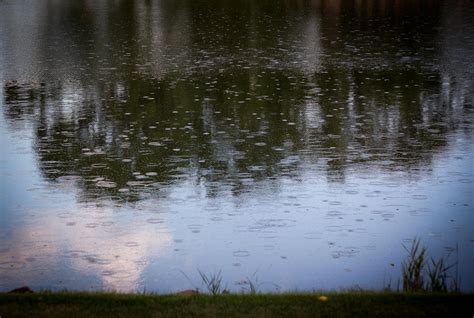
Among the most soothing of sounds is early morning rain. I woke to the steady pat pat pat on the roof and saw the macadam in slick black outside the window after a night of steady showers.
I welcome these sounds, these sights, as it is has been dangerously dry this fall.
As I worked through my early morning regimen I read the following:
Who has ascended to heaven and come down?
Who has gathered the wind in his fists?
Who has wrapped up the waters in a garment?
Who has established all the ends of the earth?
What is his name, and what is his son’s name?
Surely you know! (Proverbs 30:4 ESV)
The proverbial questions are rhetorical, of course. The writer is contrasting his ignorance with the wisdom and providence of God. Humility is called for for the wise person.
And of course this has everything to do with the gospel.
When Christ took on flesh, he came to us as the wisdom of God.
As the NT explains the gospel’s working power, it is ” . . . to those who are called, both Jews and Greeks, Christ the power of God and the wisdom of God” (1 Corinthians 1:24 ESV).
Then we get this theological salvo from the apostle Paul:
“For consider your calling, brothers: not many of you were wise according to worldly standards, not many were powerful, not many were of noble birth. But God chose what is foolish in the world to shame the wise; God chose what is weak in the world to shame the strong; God chose what is low and despised in the world, even things that are not, to bring to nothing things that are, so that no human being might boast in the presence of God” (1 Corinthians 1:26-29 ESV).
When one reads Scripture correctly, it is consistent throughout: God is high and lifted up; we sinners are to listen to him via his revealed Word; and humility is one of the fruits of the Spirit.
The rain falls. We have nothing to do with it. We’re just to thank the One who sends it.
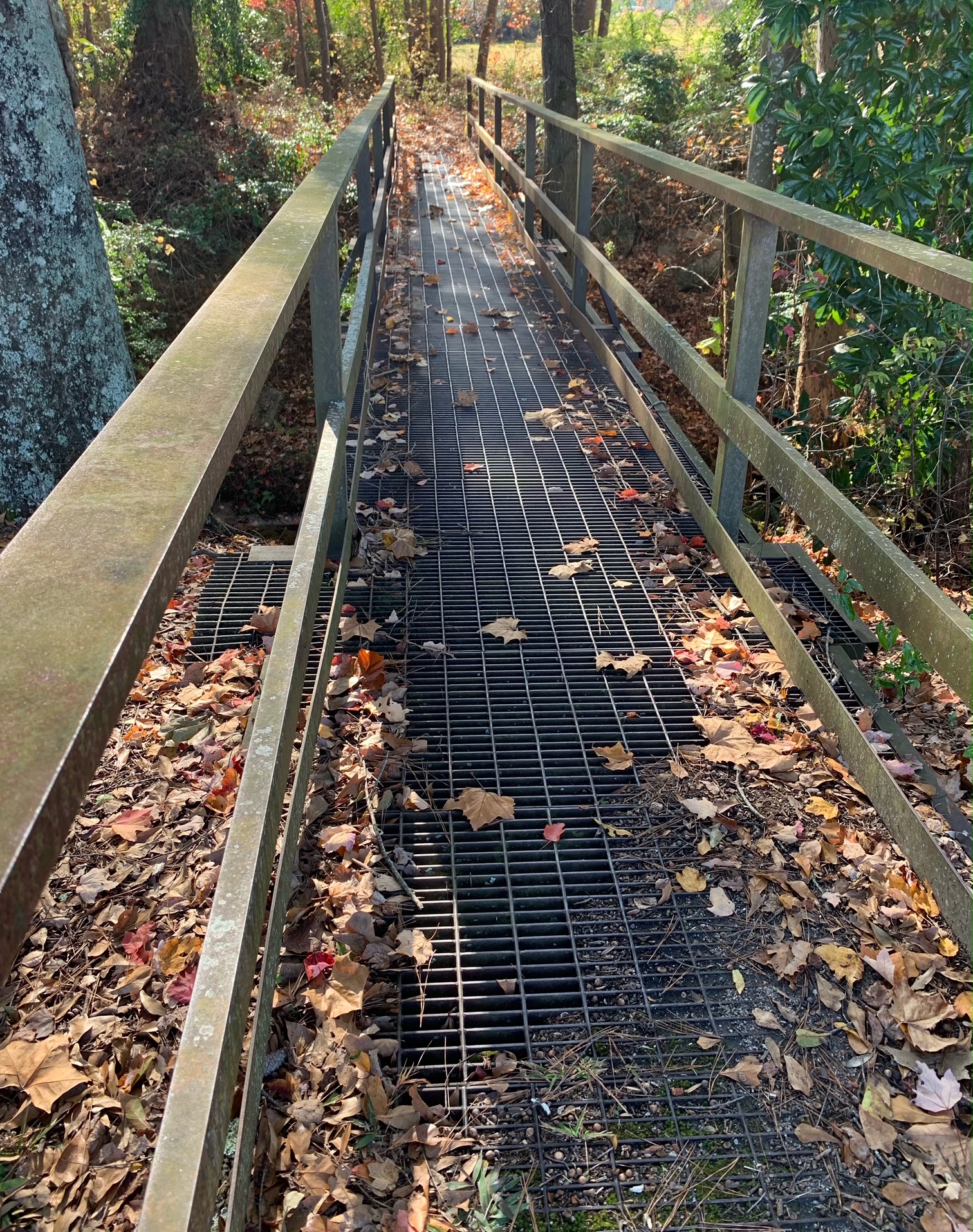
During some miles today, I was encouraged each time I passed this walkway over a dry branch.
When events often outpace wisdom, when activity often substitutes for what really matters, one might be unwise to discount simplicity.
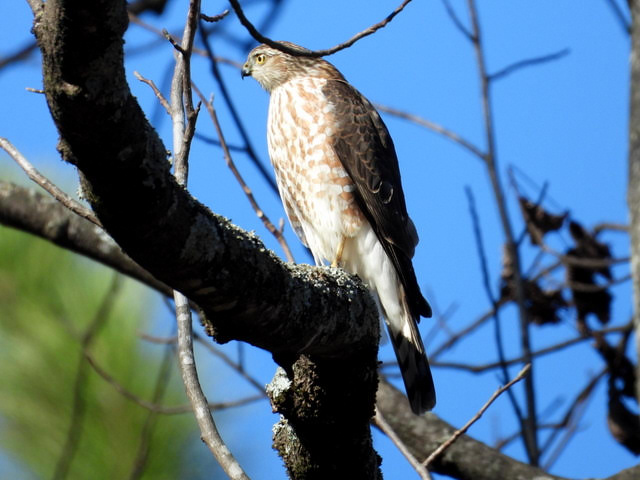
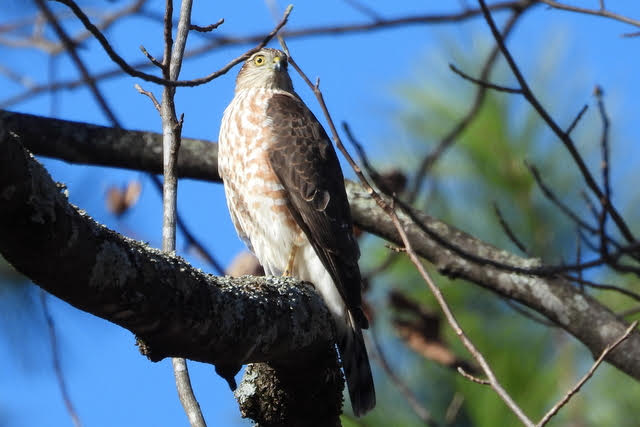
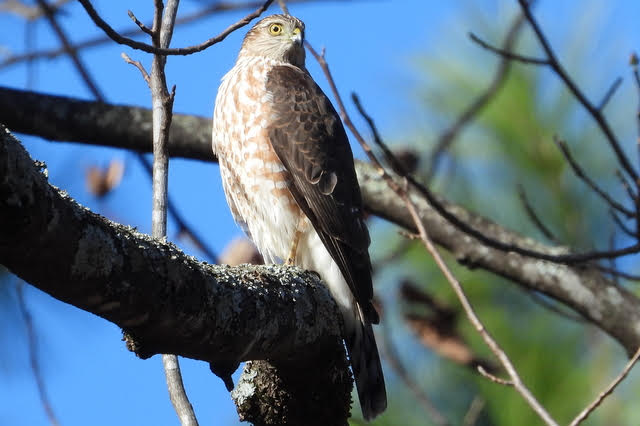
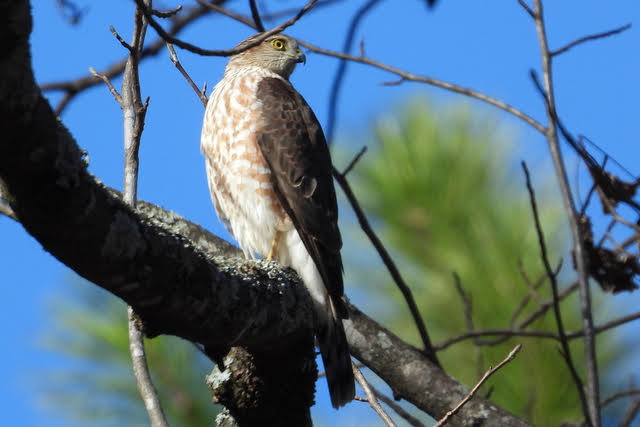
Again, my friend Jim supplied me with avian wonderment.
Enjoy.
Recognize.
Verb meaning “to acknowledge, to recall to mind, to know again.”
Its origin is 14th century French and is related to reconnaissance for “to know again” or “to acknowledge.”
Re of course means “again” and the root for cog is seen in words like “cognition” and “cognitive” and its root word notitia denotes knowledge.
Again I am on a Cormac McCarthy binge.
Other than Shakespeare’s tragedies I know of no other writer’s works in English whose words are more powerful.
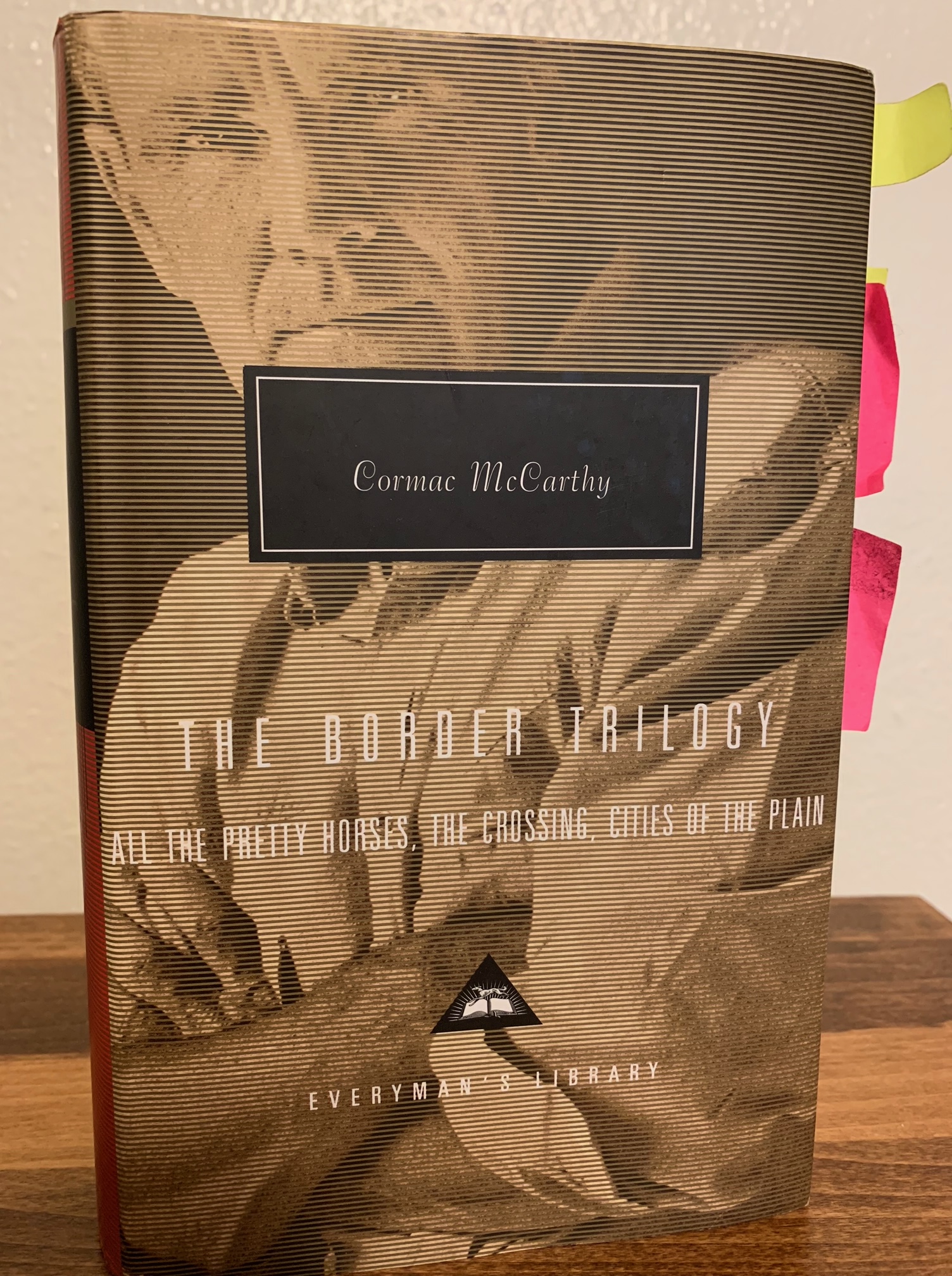
I first read McCarthy in the 1990s when I was deployed in Bosnia with the Army under then-president Clinton.
While the world’s fickle attention span was upon all-things-Clinton and his fraternity boy antics with Monica, I was reading McCarthy between missions. And I was hooked.
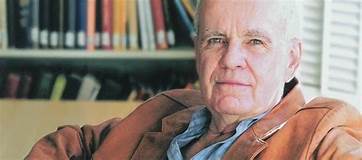
McCarthy is an old man now but his mind and pen penetrate the biggest questions. That has been his writing pattern for over 50 years now.
Read him.
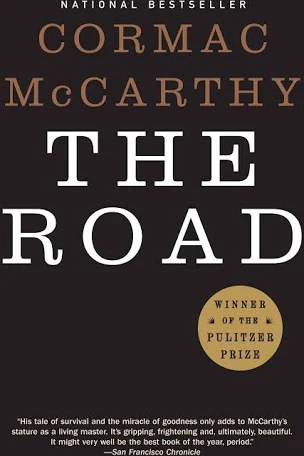
When I was deployed to Afghanistan during the heavy war years I read The Road for the second time. The thematic kinship to Job’s life in Scripture is formidable. I have not read anyone who has grappled sufficiently with what McCarthy puts forward.
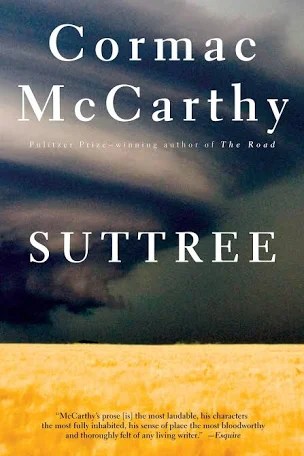
Then there are my two favorites: Blood Meridian and Suttree. Both are unparalleled in American literature, in my view.
This week I read The Passenger.
Like his previous works it is not for the timid. If you want airport superficial reading, don’t read McCarthy.
McCarthy addresses theodicy, God, the despair of atheism/materialism, insanity, genius, beauty, language, and, of course, death.
But if you’ve the mind for the heaviest questions and will brave the darkness, McCarthy will meet you. He is there … waiting.

