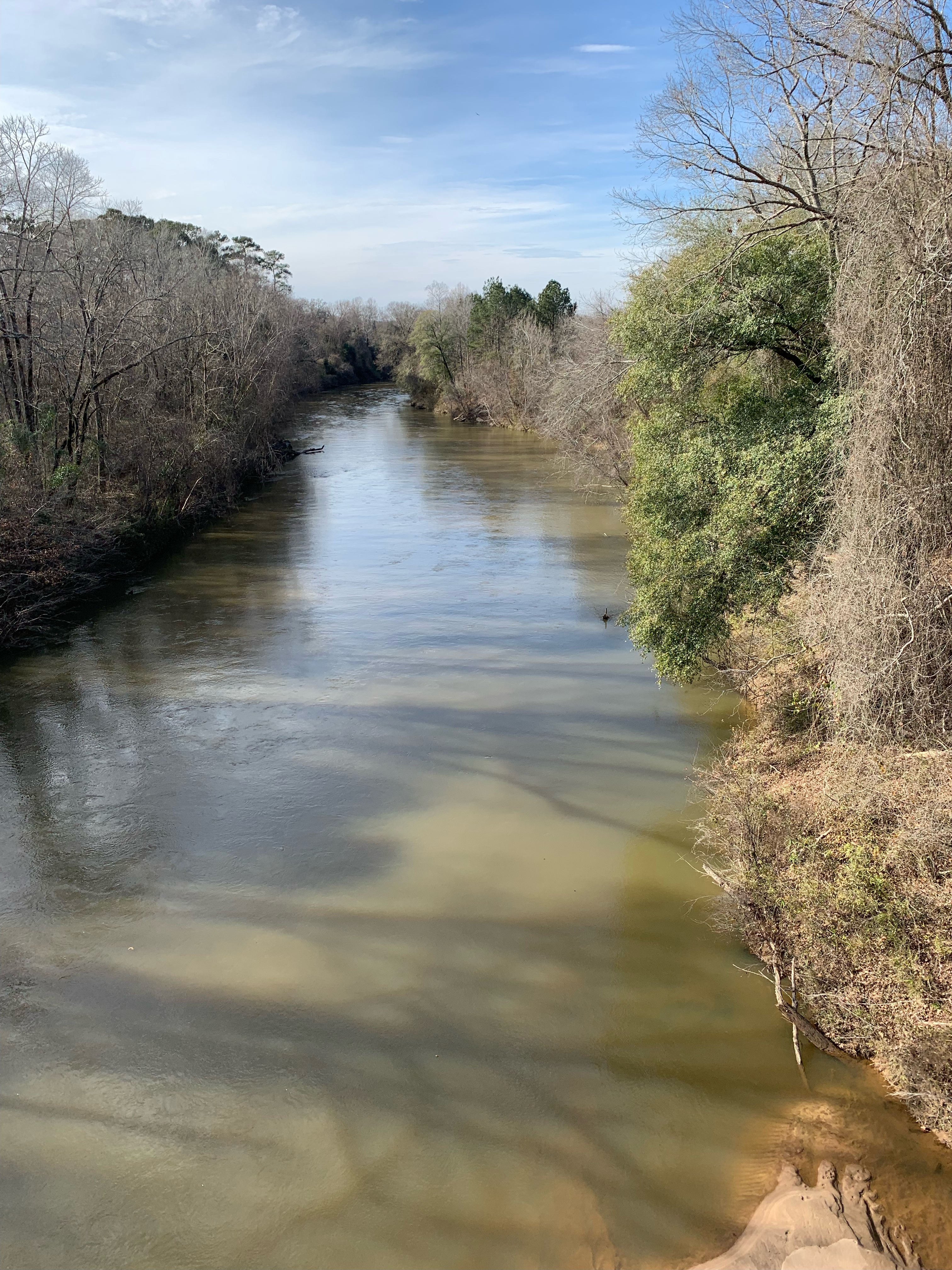
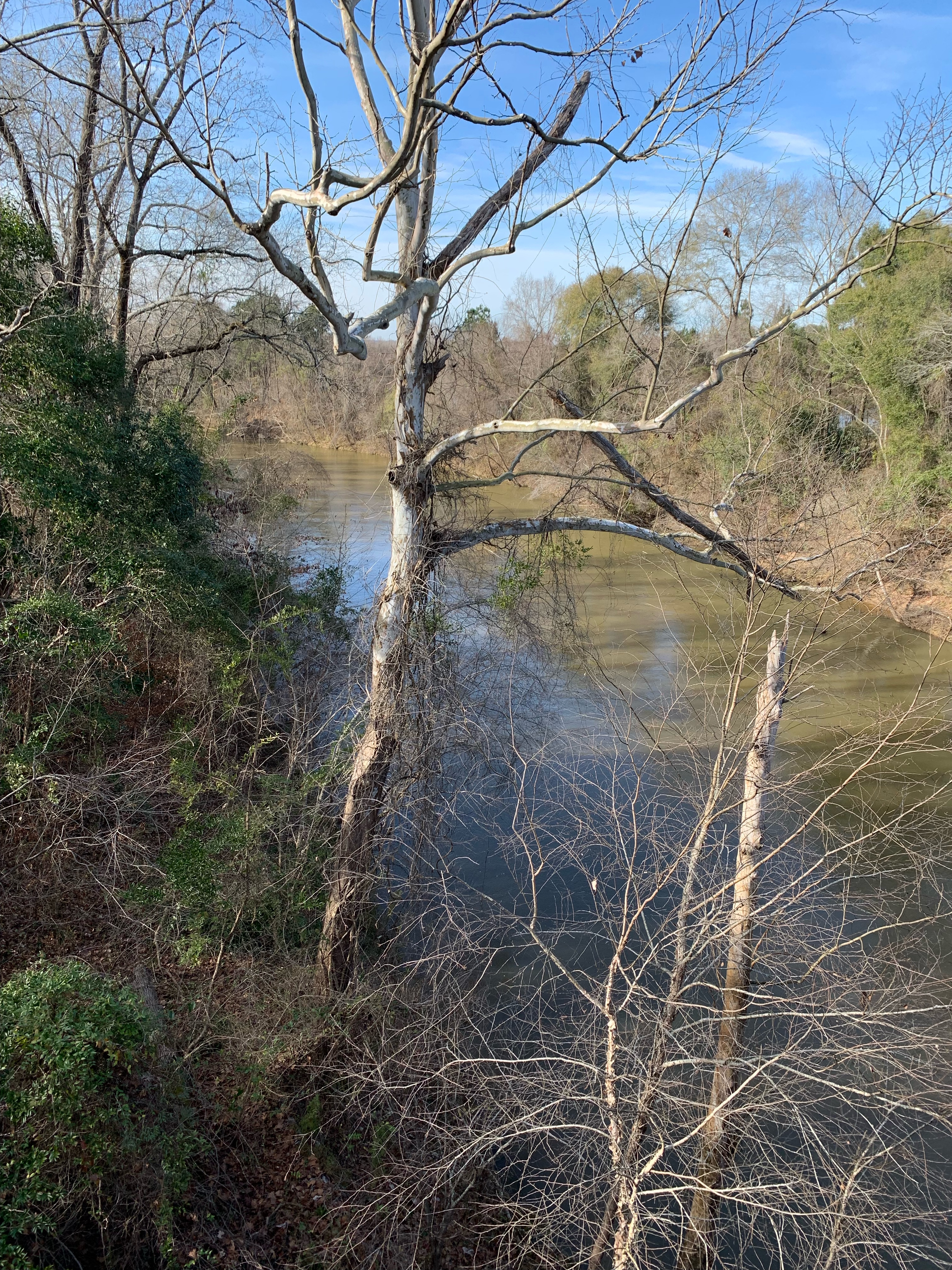
Appreciate the time along the muddy waters, even in winter, when deciduous trees stand naked, their leafy garments shed below them. Sycamores with wraith-like limbs overhang the creeks and cast shadows over the muddy water.
Trail time is good time.
Appreciate the time along the muddy waters, even in winter, when deciduous trees stand naked, their leafy garments shed below them. Sycamores with wraith-like limbs overhang the creeks and cast shadows over the muddy water.
Trail time is good time.
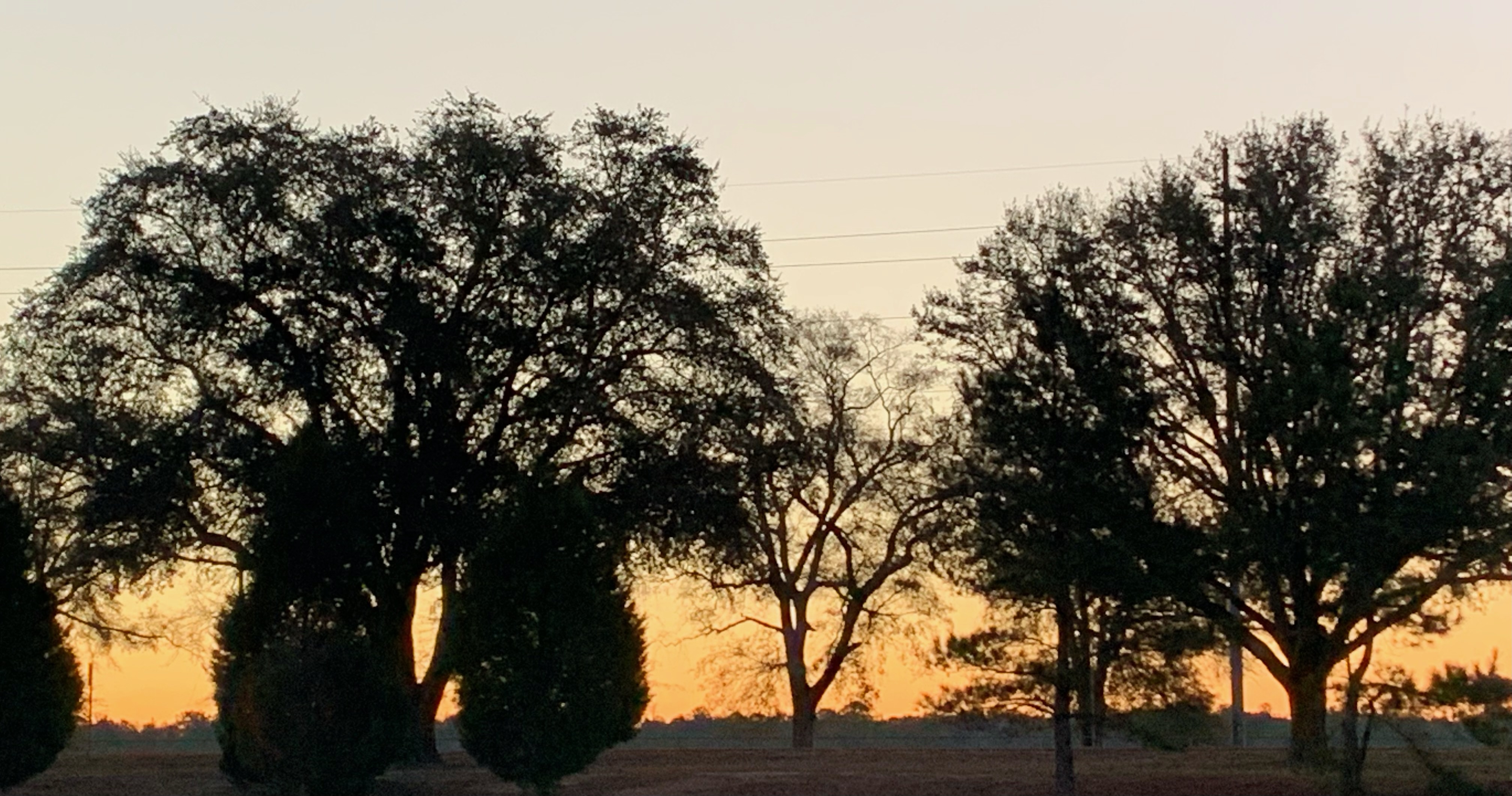
Psalm 113:3 reads, “From the rising of the sun to its setting, the name of the LORD is to be praised!”
The secularist has no such worldview. He has no one to thank, no one to blame, no one who can explain mind, matter, truth, goodness, or beauty.
But the Trinitarian God of Scripture explains it all.

As I drove across the black rubber speed bumps and scanned my military ID card under the red laser, and the electric arm lifted allowing me to pass, I sort of shook my head at all the surveillance. Just think of it: cameras video you, your vehicle, your license plate; then your ID is scanned; then there’s a traffic light with another camera for more surveillance.
But then things changed.
I turned up my street. The sun was near setting over the western hill. Oaks, which grow abundantly here, stood majestic on the hill I ascended towards my place.
A young man (I’m assuming a dad) was tossing a baseball to a boy (I’m assuming his son). When the dad lobbed the ball to his son, the boy (who appeared to be six or seven-years-old) was completely focused on the ball as it traveled from his dad’s hand. Total concentration. There seemed no possibility that the son or the father would be thinking of anything but each other and the game of pitching the ball to each other.
When the boy threw the ball back to his dad, he’d jump in place in a form of pure adolescent ecstasy: up and down, up and down. His world was here, it seemed to say. Here now, with his dad, pitching the white baseball with red-threaded stitching, with the gold sun over the hill and the smell of a cold night coming on.
And as I pulled into my place, I was thankful to them, though they never saw me as I drove past–relishing, investing, expressing love through the simplest of ways–pitching the baseball on a Sunday evening.
Who knows, but that–one day–that boy may remember this ordinary day as anything but ordinary …
“No one suspects the days to be gods” (Emerson).
I was on the back porch looking down the hill. I saw movement. First the does. Then the buck, head down, nosing the air.
He was not that big. Nonetheless he captivated me.
The females skittered. The dry leaves crackled under their scampering.
I watched. Studied the creatures.
Grateful just to behold.
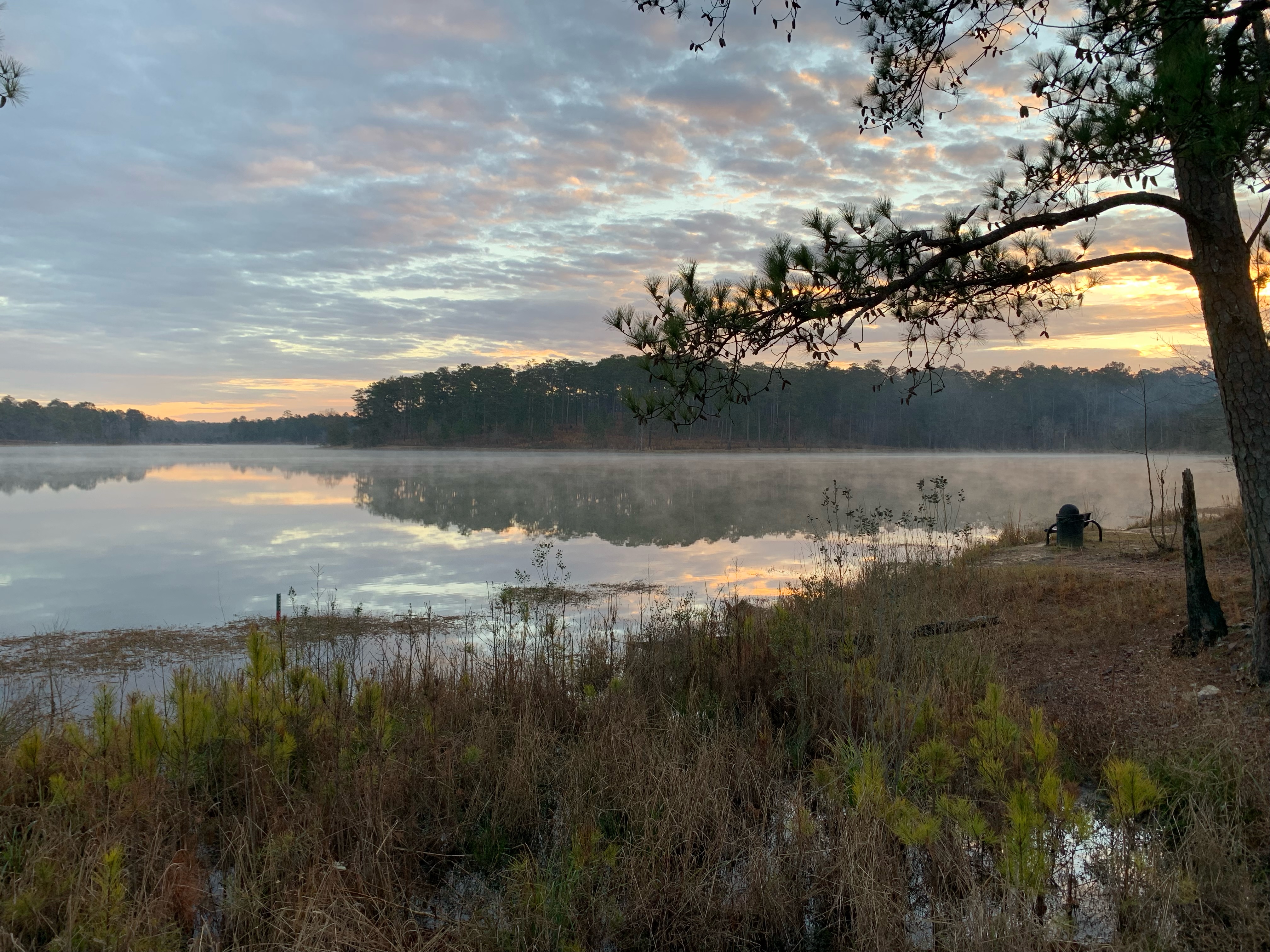
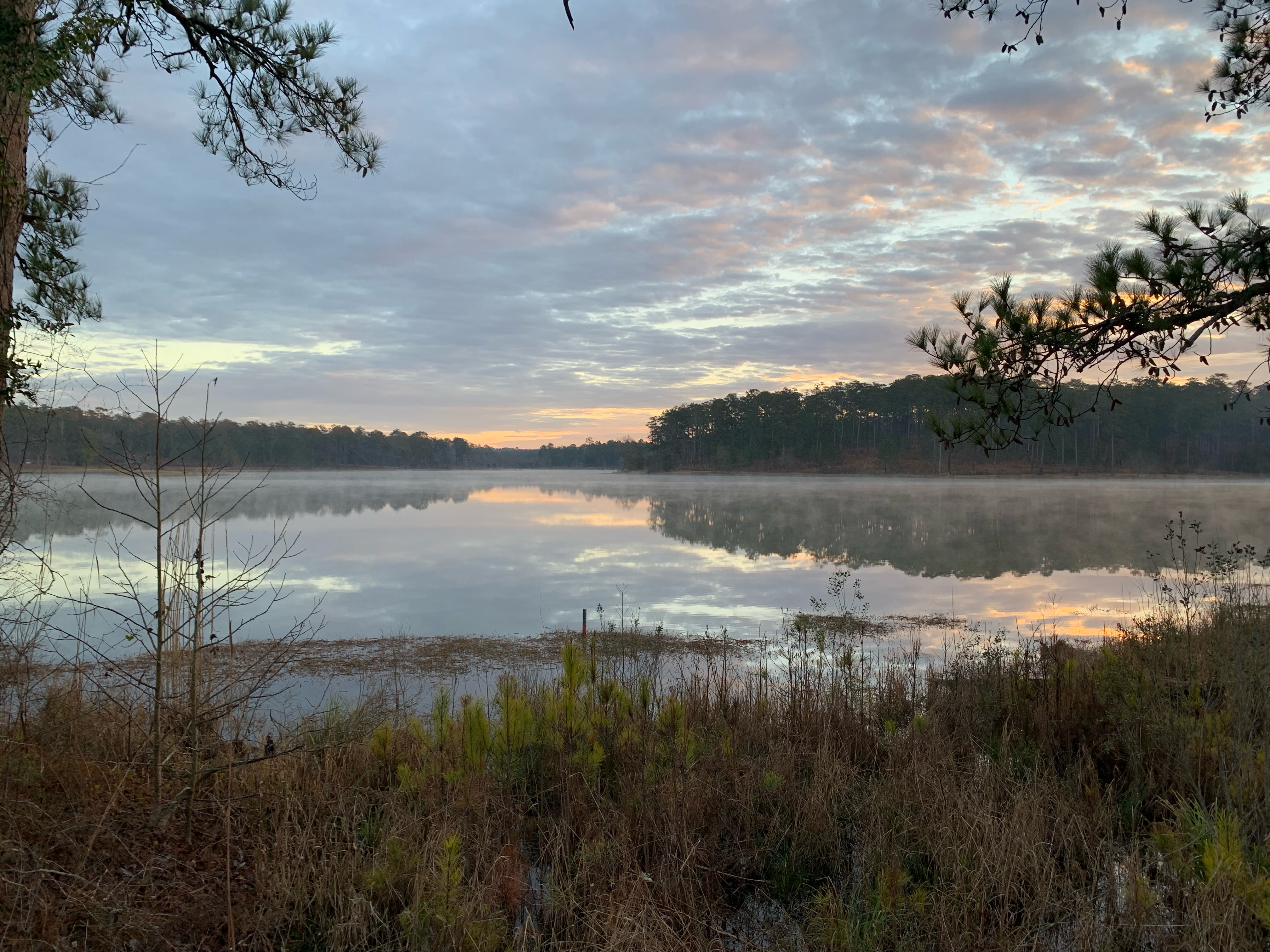
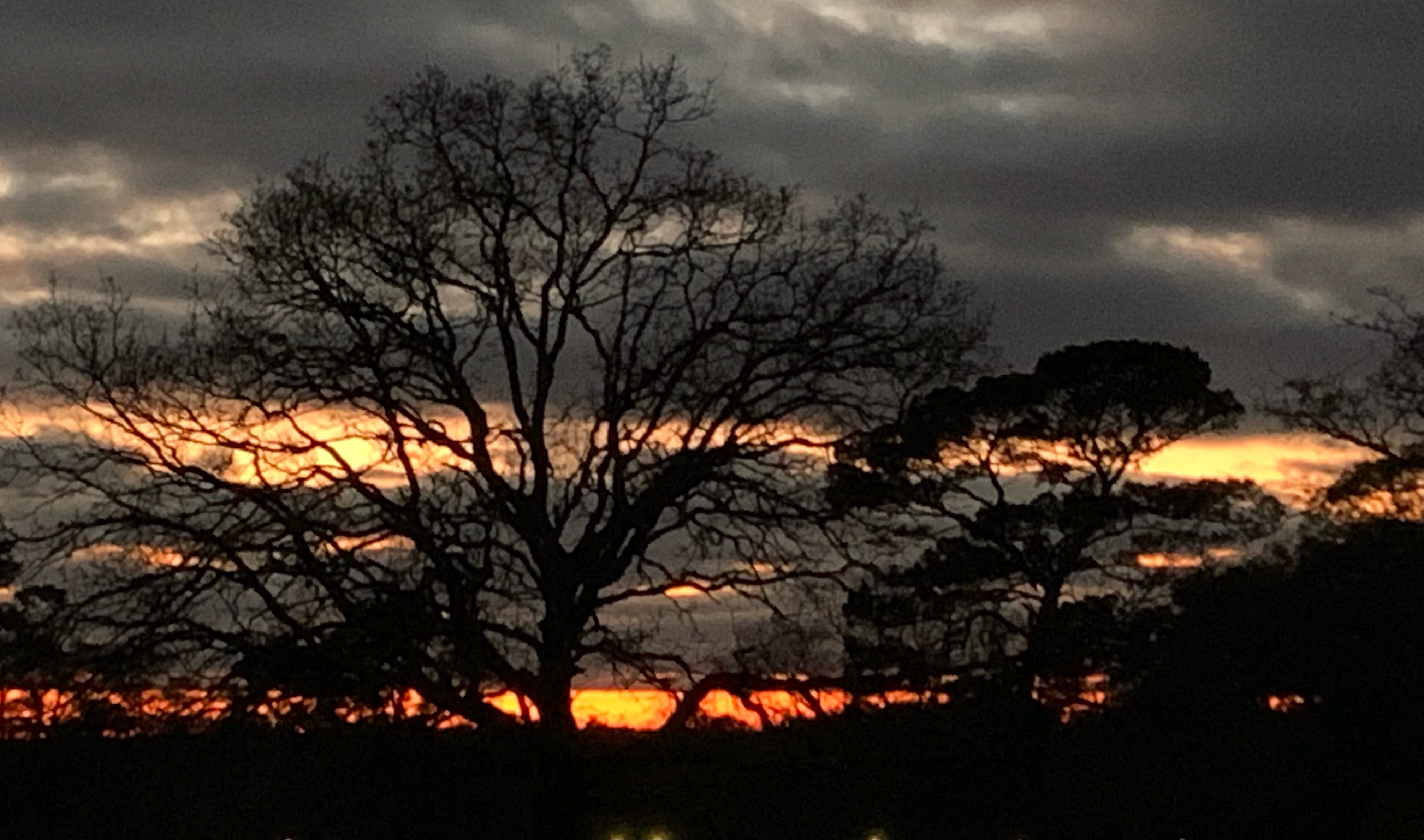
The _______ says in his heart, “There is no God” (Psalm 14:1).
‘Twas a federal holiday. Cold, too. Winds lashed bare branches along the Chattahoochee. I passed an archer. He had his bow slung over his right shoulder. The green fletching on the three arrows in his quiver was unimaginably bright limegreen under the day’s leaden sky. The only other colors were grays of the trees, the gray shades of the sky, and flocculent wooly clouds that slid across the skyline. The river was muddy and moved rapidly. The Allman Brothers’ “Blue Sky” lyrics played in my head:
Walk along the river, sweet lullaby, it just keeps on flowing
They don’t worry ’bout where it’s goin’, no, no
Don’t fly, mister blue bird, I’m just walking down the road
Early morning sunshine tell me all I need to know
You’re my blue sky, you’re my sunny day
Lord, you know it makes me high when you turn your love my way
Turn your love my way, yeah
Good old Sunday morning, bells are ringing everywhere
Goin’ to Carolina, it won’t be long and I’ll be there
You’re my blue sky, you’re my sunny day
Lord, you know it makes me high when you turn your love my way
Turn your love my way, yeah, yeah
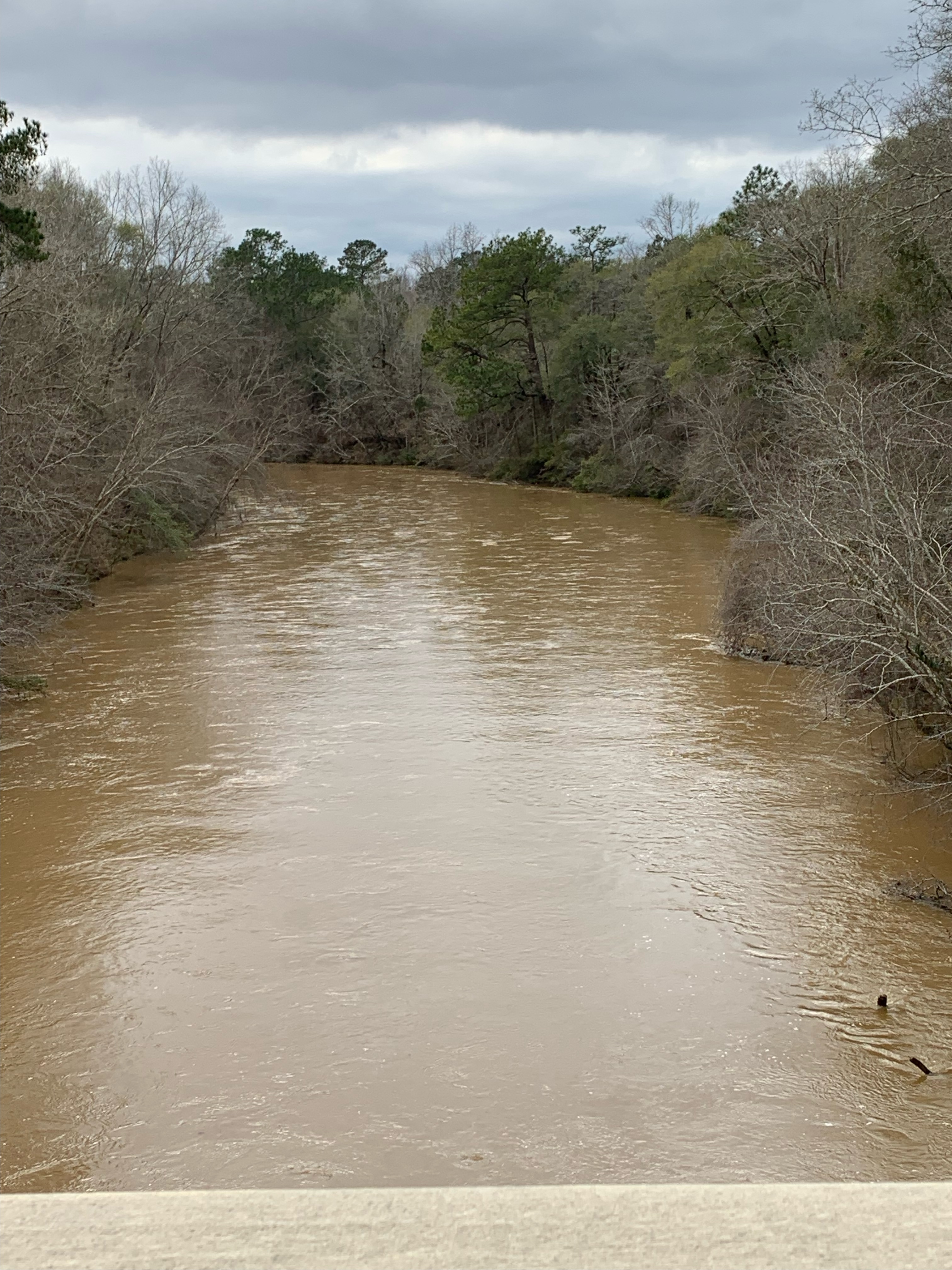
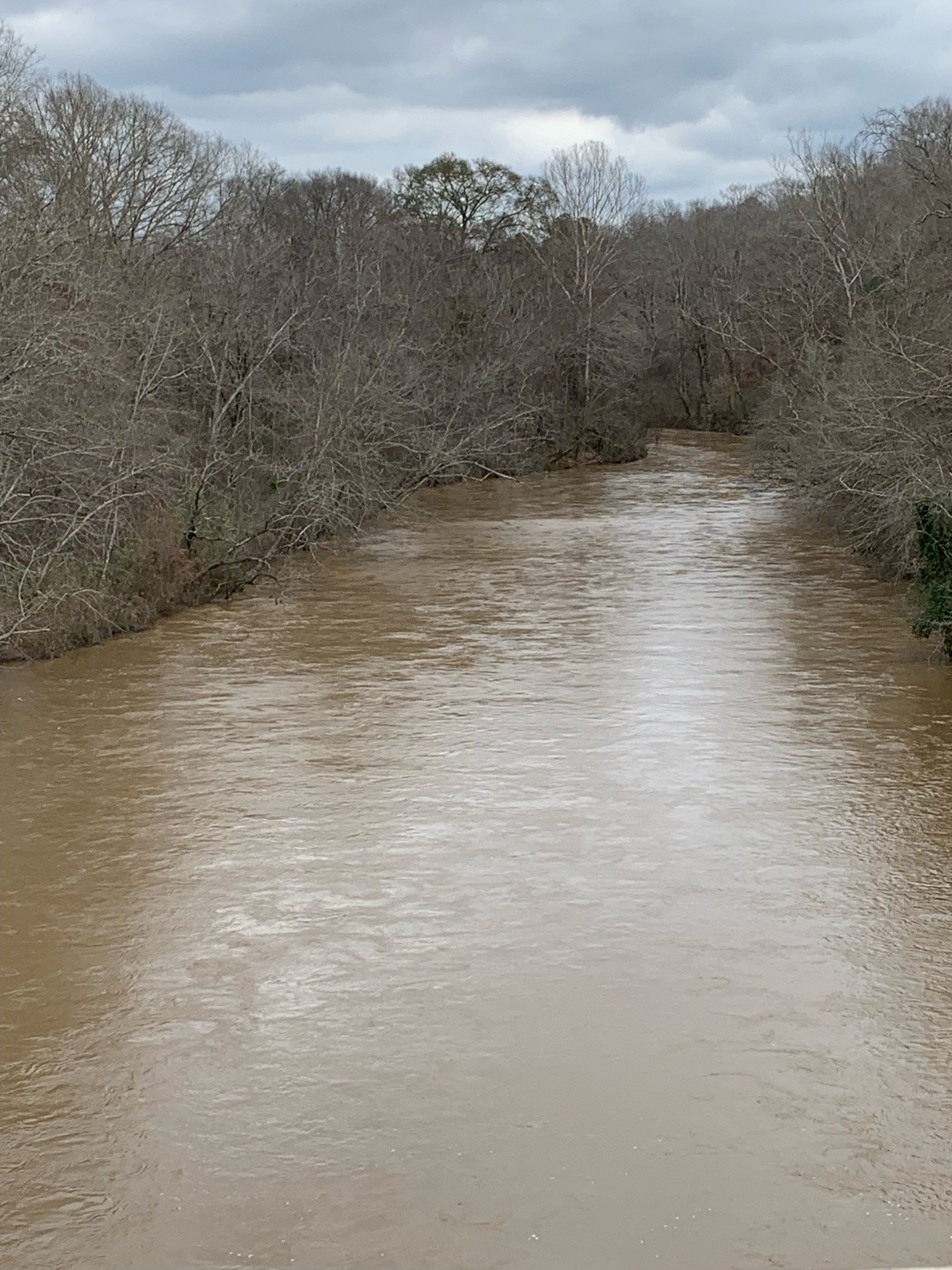
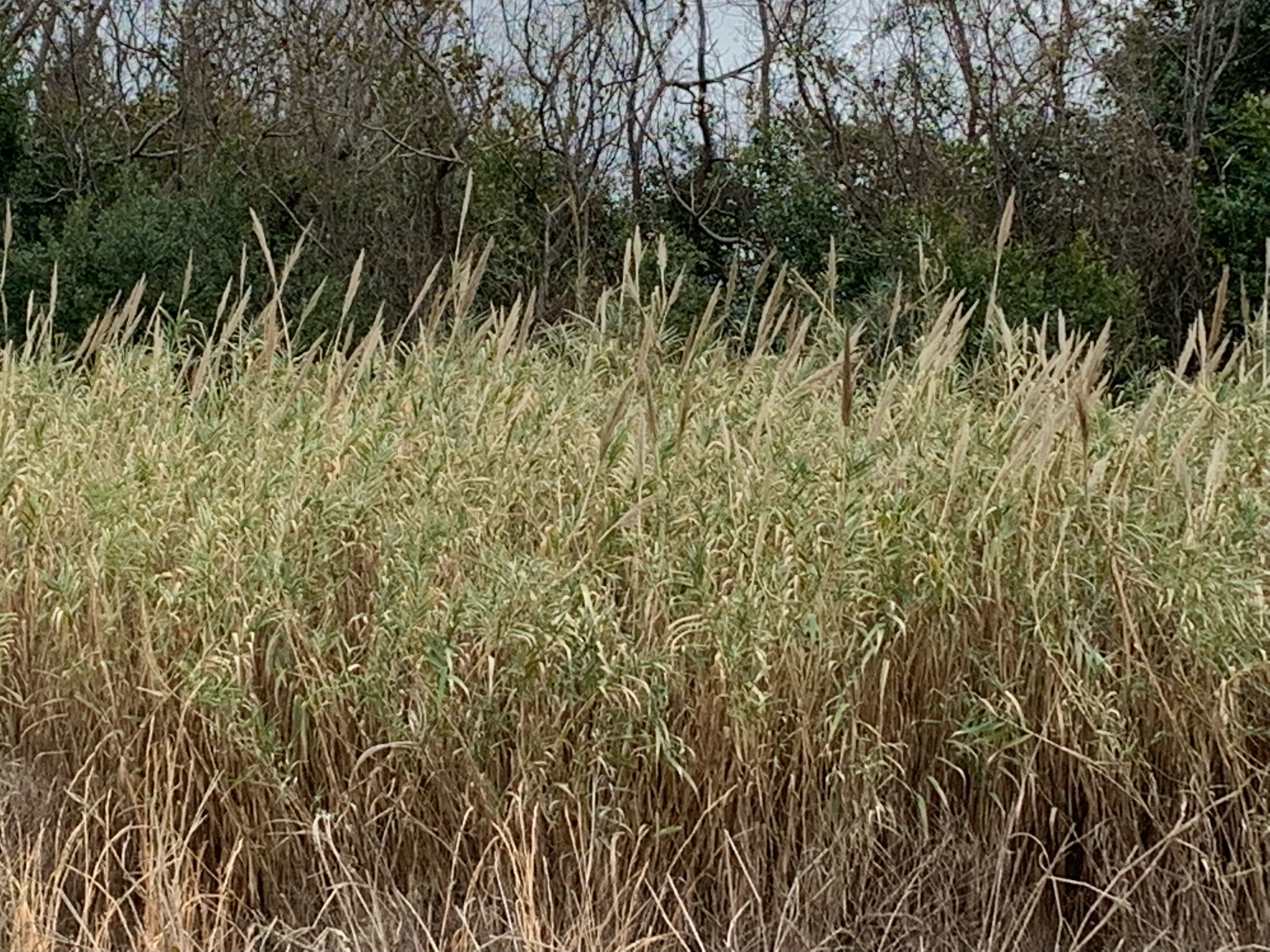
Cattails grew thick. Game trails going to and from the river and low areas stood out in the red clay under the day’s gray skies. Still I heard Dickey Betts’ voice roll on and his guitar say what words sometimes fail to, that there’s so much to be thankful for, that even on cold windy days along the banks of a muddy river, with a great tune playing in your memory, gratitude seems the proper response.

In a few moments, some soldiers who’ve made it this far in their training are pressing on towards earning their right to be Rangers. I will have thirty minutes as their chaplain to open the Bible before them, teach them the gospel, show them what ultimate commitment was and is. I’ve nothing but respect for these young men as they push themselves to limits they’ve not endured before. But it is crucial to teach accurately by explaining what the cross of Christ was and what it was not.
Ten things the ultimate battle was not:
The enduring tendency we sinners have is to reduce the cross of Christ and the gospel to man’s work. It wasn’t. It was God’s. And that invariably humbles all those who are teachable.
The hardened, of course, those who refuse the offer of the gospel, do what hardened people invariably do: reject, suppress, deny, scoff, turn away, mock, and heap judgment upon themselves.
What the ultimate battle of the Christian gospel is:
Of course the list could continue. But when there is such a tendency to assume that strength for battle is reducible to man’s commitment, man’s willpower, man’s promises, humanism in all its forms, we must see in the gospel of Christ the ultimate battle is not physical, emotional, monetary, political, or anything else except the battle between Light and Darkness, the Seed of the woman versus the seed of the serpent.
At the cross, God kept His commitment to crush the head of the serpent. God satisfied His own perfect holy justice.
And God has commissioned His people with the precious treasure of holding the truth of the gospel forth for all who will hear and come–to taste and see that, yes, the Lord is good.
Sometimes only a song will do. That was the case today. My son and I were driving home after church. My daughter was away. My wife was driving in her car because she, as part of the music ministry, goes to church before my son and I do. We typically ride together to Sunday school and church. Anyway, my wife and son and I had just gone to a new burger restaurant in town after church. It was quite good. But my boy and I both got a sweet tooth after lunch, so we pulled into the local Dollar General to pick up something sweet for him, my wife, and me. My son and I both got the same thing, a Snickers ice cream bar. There were only two left in the freezer when I slid back the transparent lid. Seems we’re not the only ones who appreciate the combination of a Snickers bar and vanilla ice cream. I picked up my wife’s favorite, a sleeve of Reese’s Cups. As I stood in line to pay, my son said, “Dad, I need to pick up something.”
“Sure,” I said.
He got his item, handed it to me, and I paid the cashier, and my son grabbed the bag and we walked back out together to the car.
When we closed the doors and I cranked the car, he handed me my ice cream bar and he grabbed his. We both devoured them like we’d not just had lunch thirty minutes before. “Mmmm,” we both exclaimed, as we exited the parking lot in the car and drove up farther into the hills and towards home.
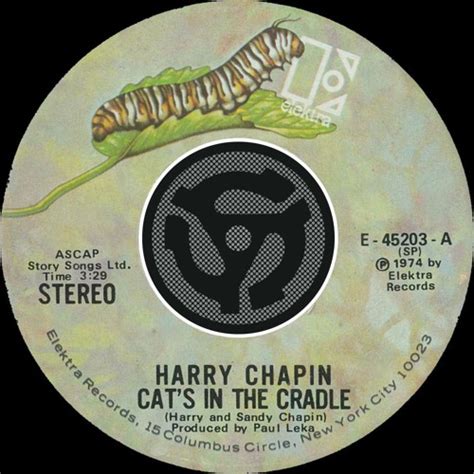
And just like that, it hit me: the Harry Chapin song, “Cat’s In the Cradle,” with these words:
My child arrived just the other day
He came to the world in the usual way
But there were planes to catch and bills to pay
He learned to walk while I was away
And he was talkin’ ‘fore I knew it, and as he grew
He’d say “I’m gonna be like you, Dad
You know I’m gonna be like you”
And the cat’s in the cradle and the silver spoon
Little boy blue and the man on the moon
When you comin’ home, Dad
I don’t know when, but we’ll get together then
You know we’ll have a good time then
My son turned ten just the other day
He said, “Thanks for the ball, Dad, come on let’s play
Can you teach me to throw”, I said “Not today
I got a lot to do”, he said, “That’s ok”
And he walked away but his smile never dimmed
And said, “I’m gonna be like him, yeah
You know I’m gonna be like him”
And the cat’s in the cradle and the silver spoon
Little boy blue and the man on the moon
When you comin’ home, Dad
I don’t know when, but we’ll get together then
You know we’ll have a good time then
Well, he came from college just the other day
So much like a man I just had to say
“Son, I’m proud of you, can you sit for a while”
He shook his head and said with a smile
“What I’d really like, Dad, is to borrow the car keys
See you later, can I have them please”
And the cat’s in the cradle and the silver spoon
Little boy blue and the man on the moon
When you comin’ home son
I don’t know when, but we’ll get together then, Dad
You know we’ll have a good time then
I‘ve long since retired, my son’s moved away
I called him up just the other day
I said, “I’d like to see you if you don’t mind”
He said, “I’d love to, Dad, if I can find the time
You see my new job’s a hassle and the kids have the flu
But it’s sure nice talking to you, Dad
It’s been sure nice talking to you“
And as I hung up the phone it occurred to me
He’d grown up just like me
My boy was just like me
And the cat’s in the cradle and the silver spoon
Little boy blue and the man in the moon
When you comin’ home son
I don’t know when, but we’ll get together then, Dad
We’re gonna have a good time then
As we drove the next fifteen minutes or so up into the hills where we live, and the retail world gave way to the bucolic world where we live, I studied my son even as I drove. I wanted to say what fathers don’t usually say to their sons–that I wish I could freeze this moment, son; that you’re growing too fast, son, and I see your innocence falling away as your voice grows deep now and gravely; that I love you, son, more than you can understand until you’re a dad; that I love watching your personality develop; that I love to see your body develop the dexterous, nimble, lean way adolescent boys’ bodies do; that I love the way you inherited your mom’s skin; and the way your smile is perfect and the way you love music as much as we do; that I wish I could save you from the world’s ugliness; that I wish I could save you from future broken bones, crashed cars, and heartbreaks; that you’ll never know that, this very day, as you sit in my car and enjoy your Snickers ice cream bar, your dad loves you so profoundly that I have to turn my head and look out my window so you won’t see the tears I shed for you even now, as I drive.
There are times when the love one has for what is young and innocent (in worldly terms) overwhelms, when one knows, as a dad, that sin is crouching at the door and seeks to devour the naivete of your children. And your heart bursts inside your chest with words you can’t untangle.
And yet the song from decades ago says it. It says, in its own way, “I love you, boy. I’m far from perfect. I’m gone too much. And you’ll be gone soon. But your dad loves you, more than you can currently understand. But one day you may.”

