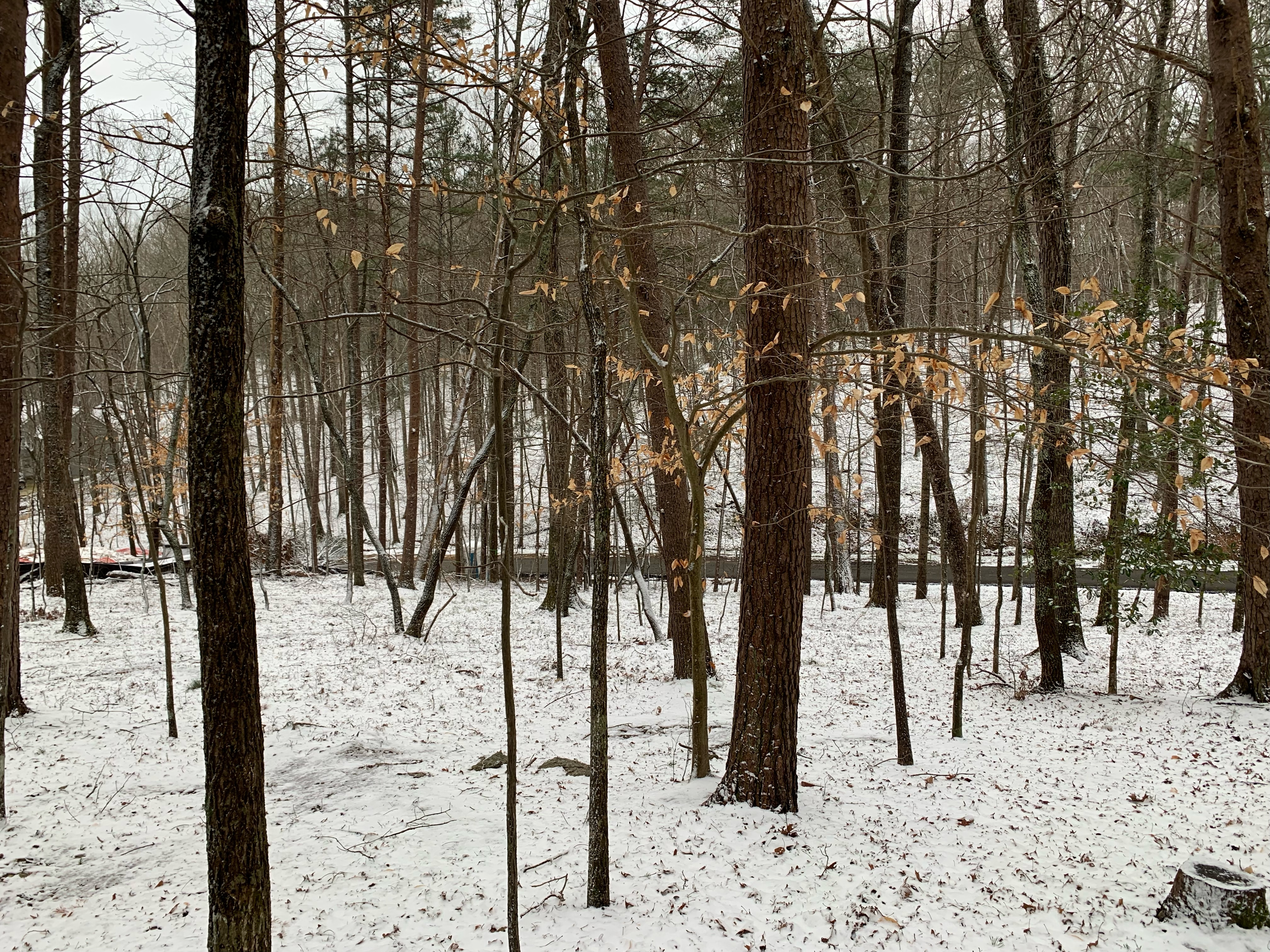
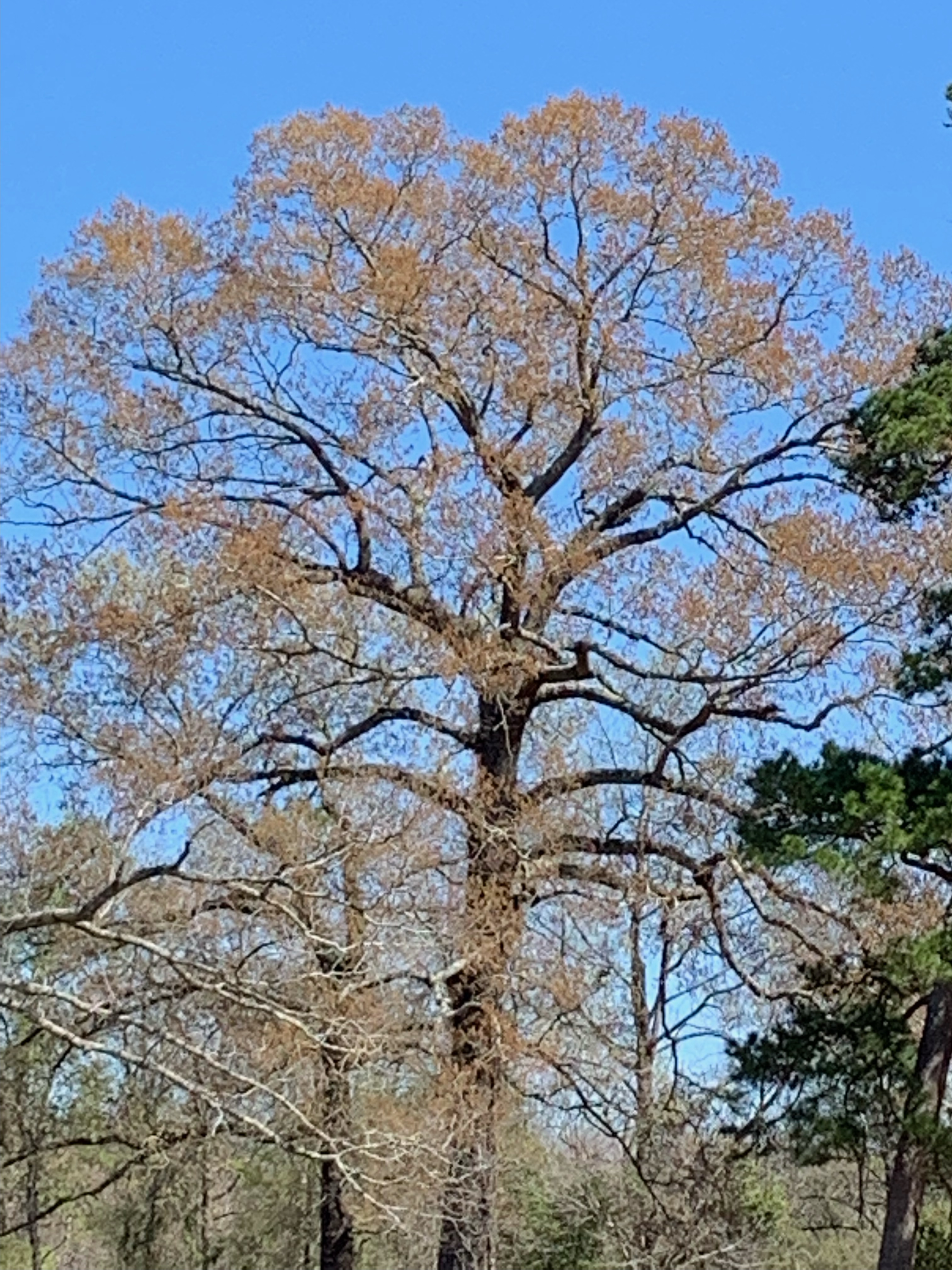
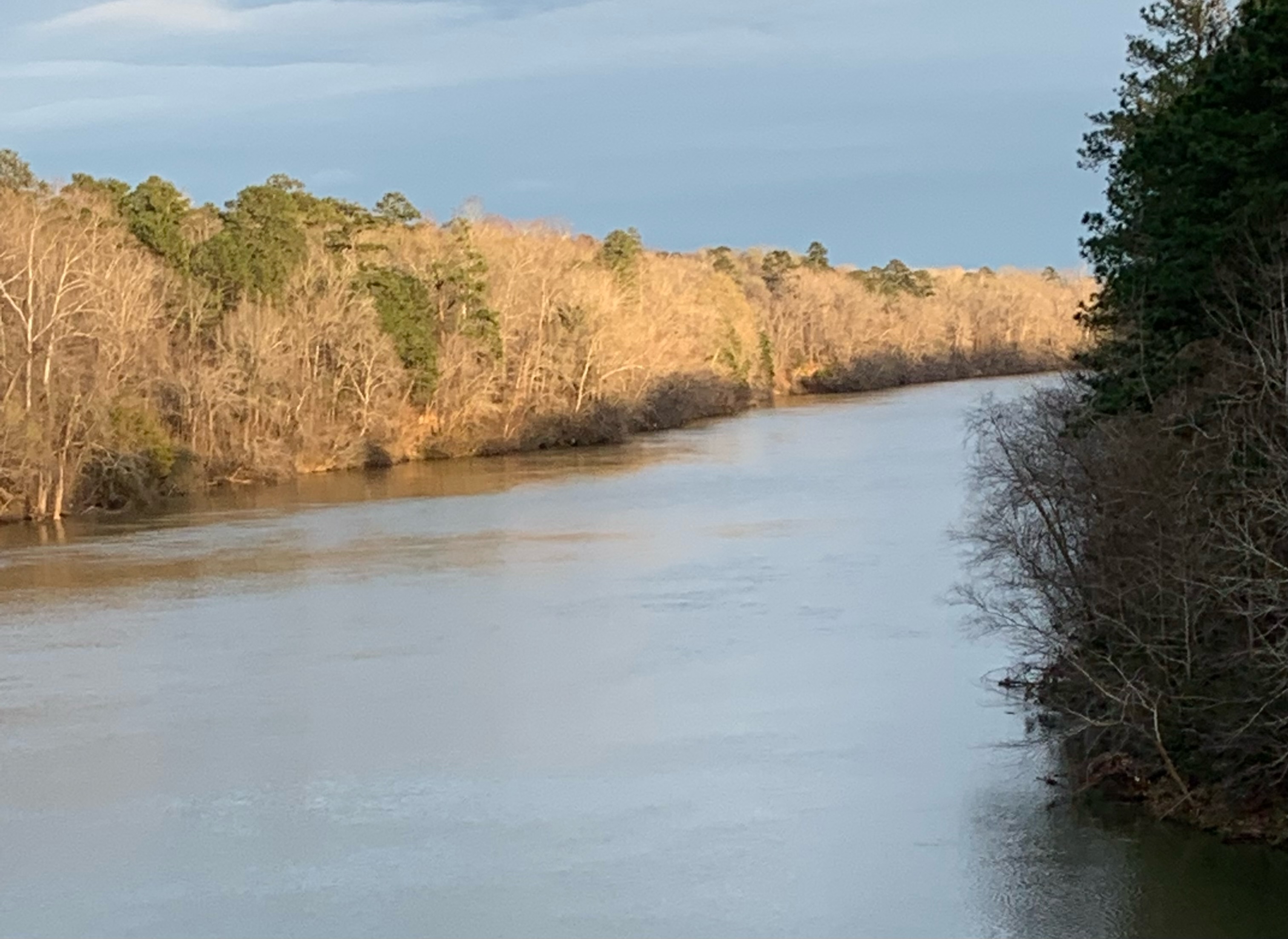
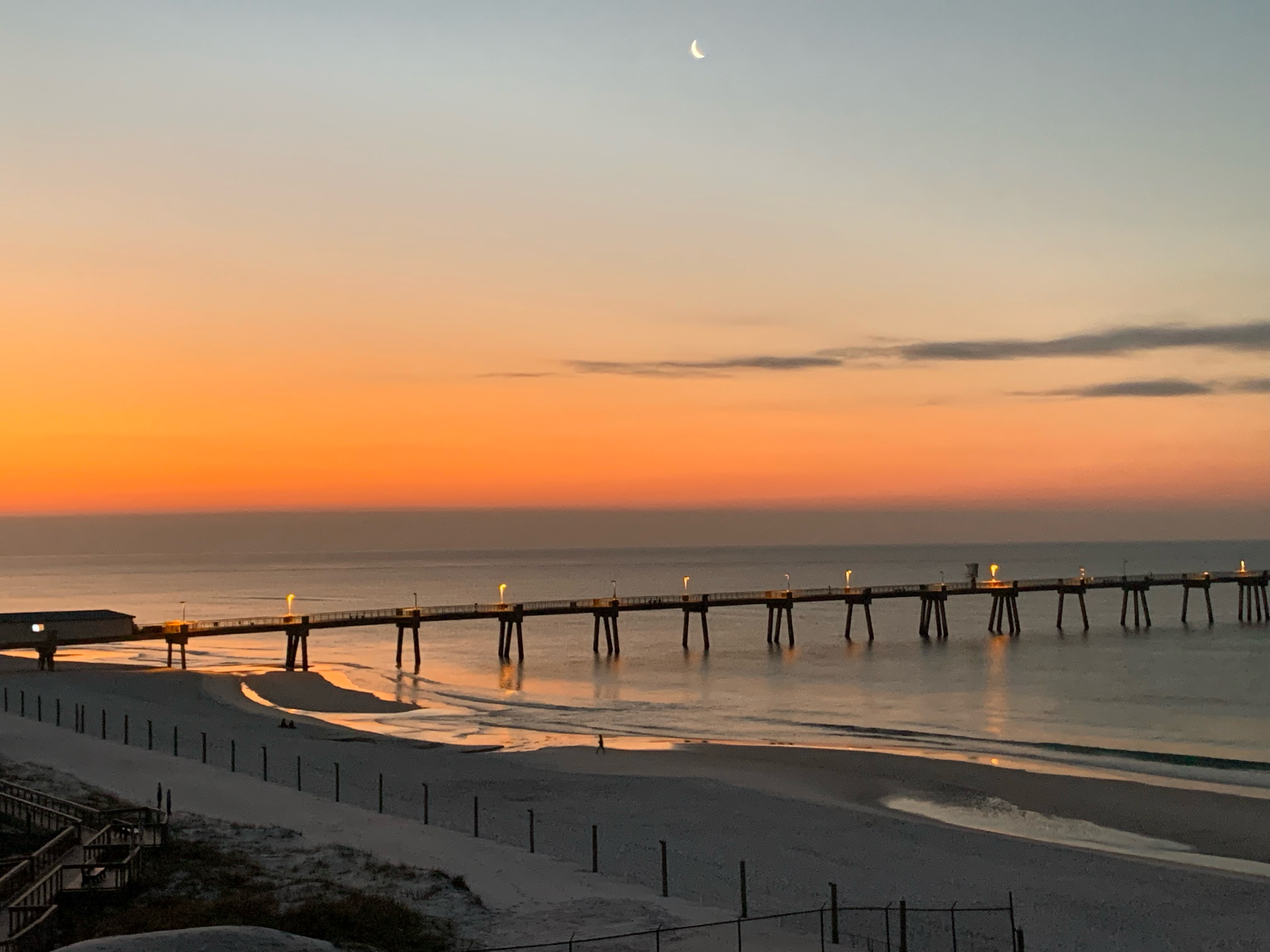
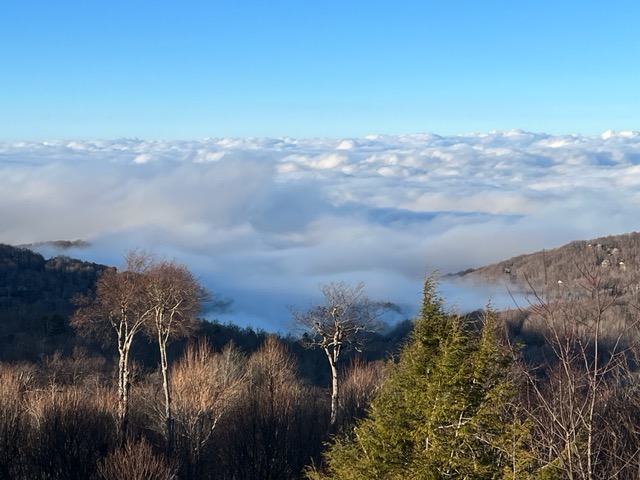
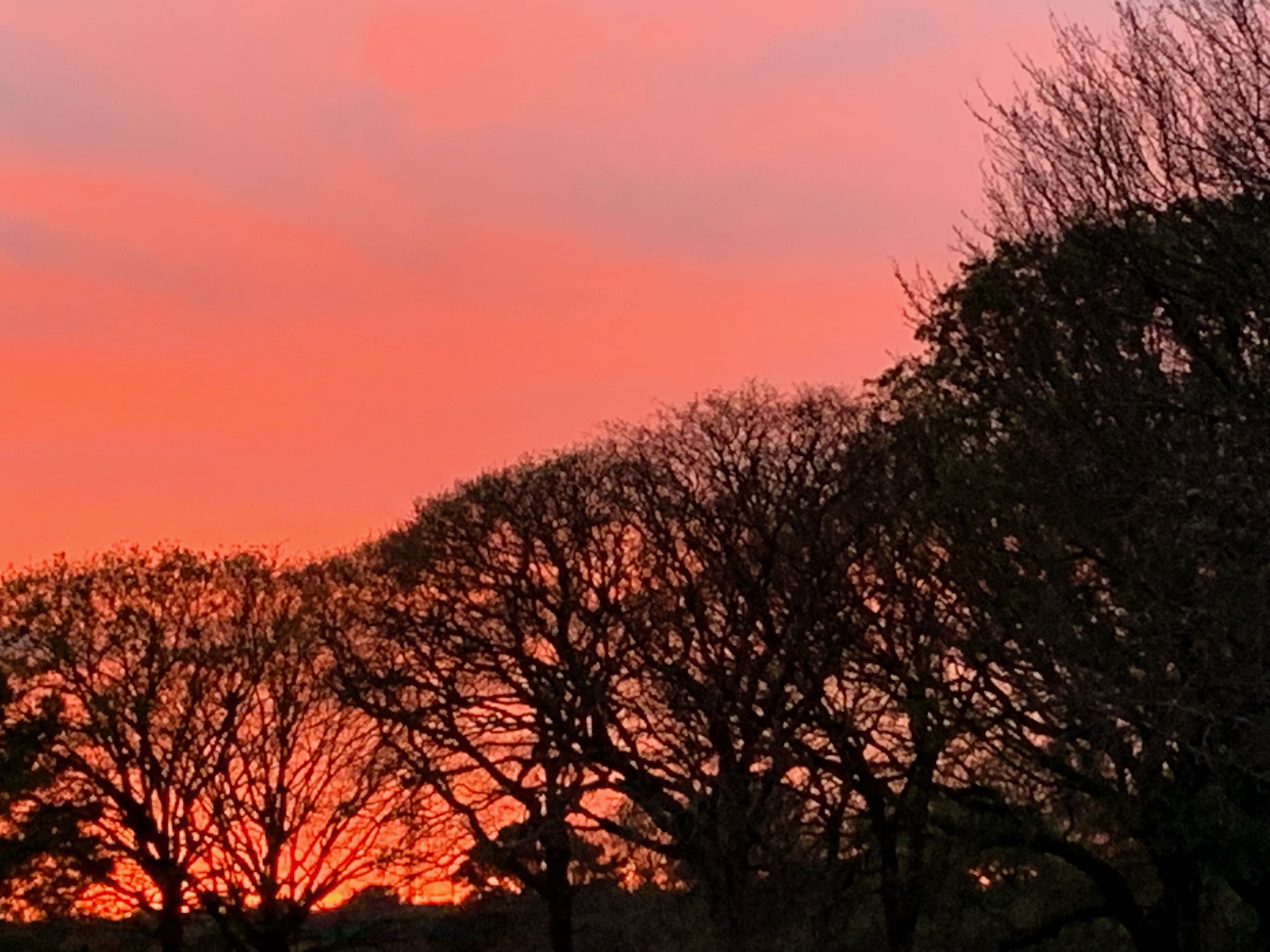
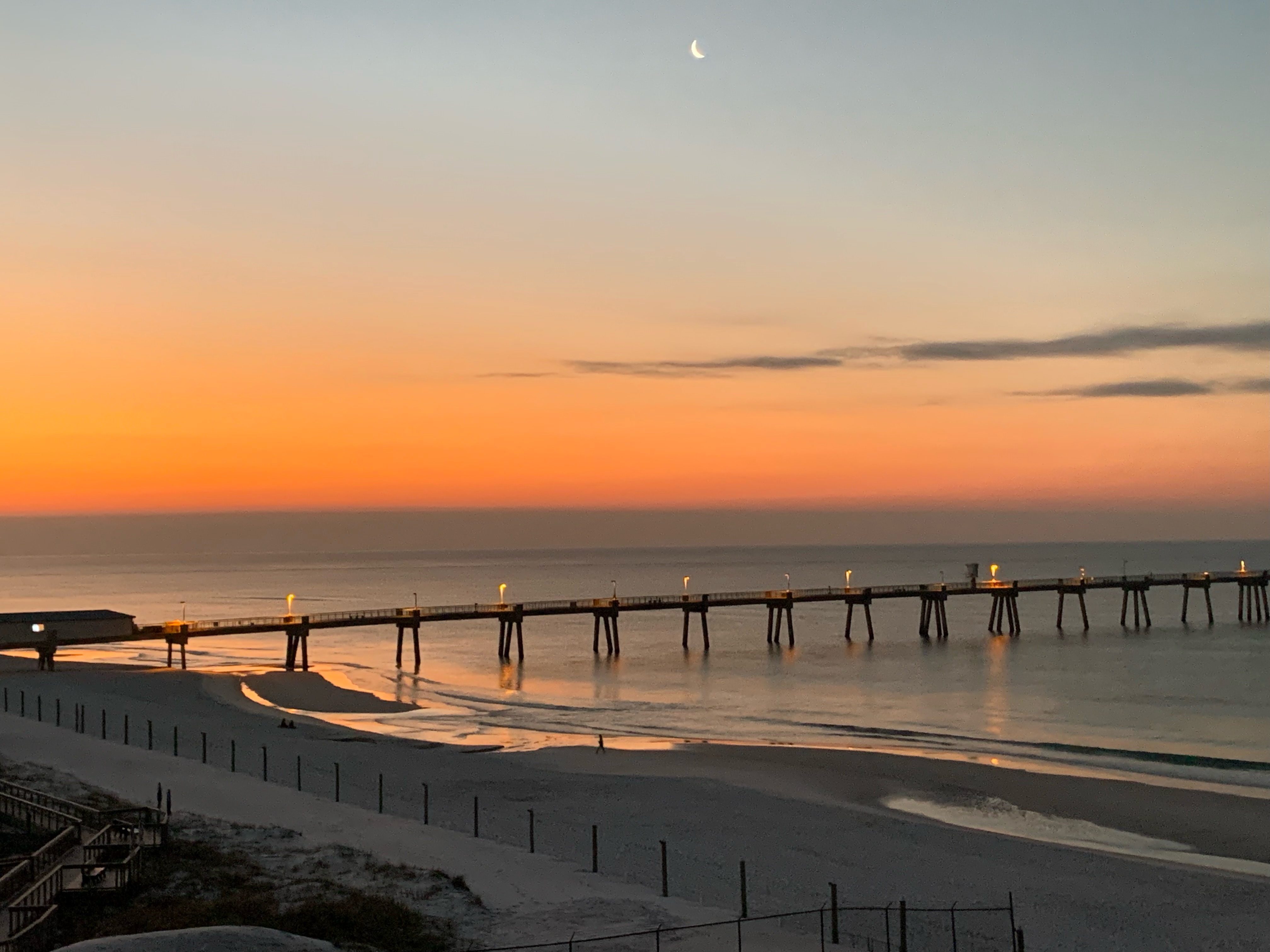
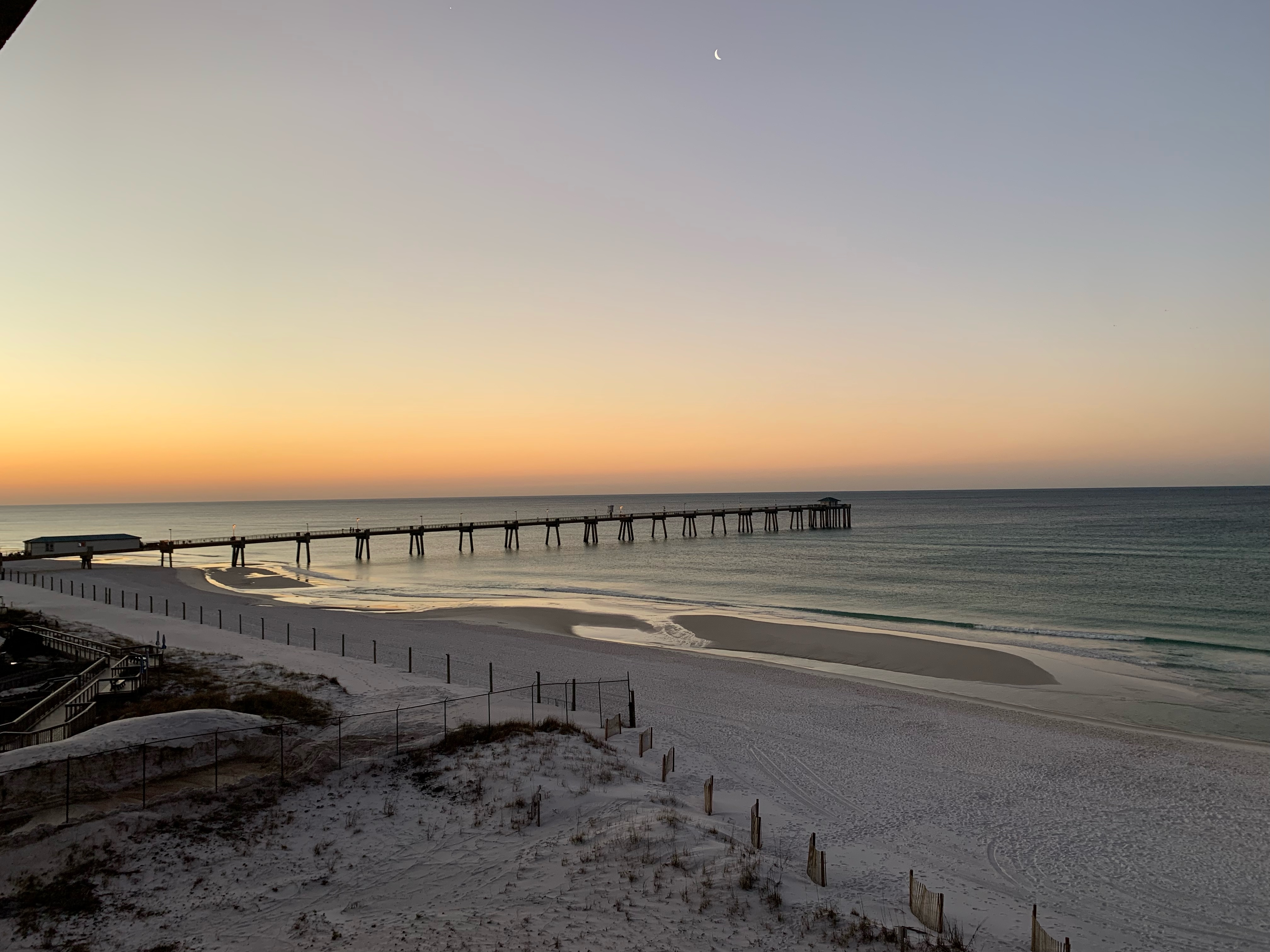
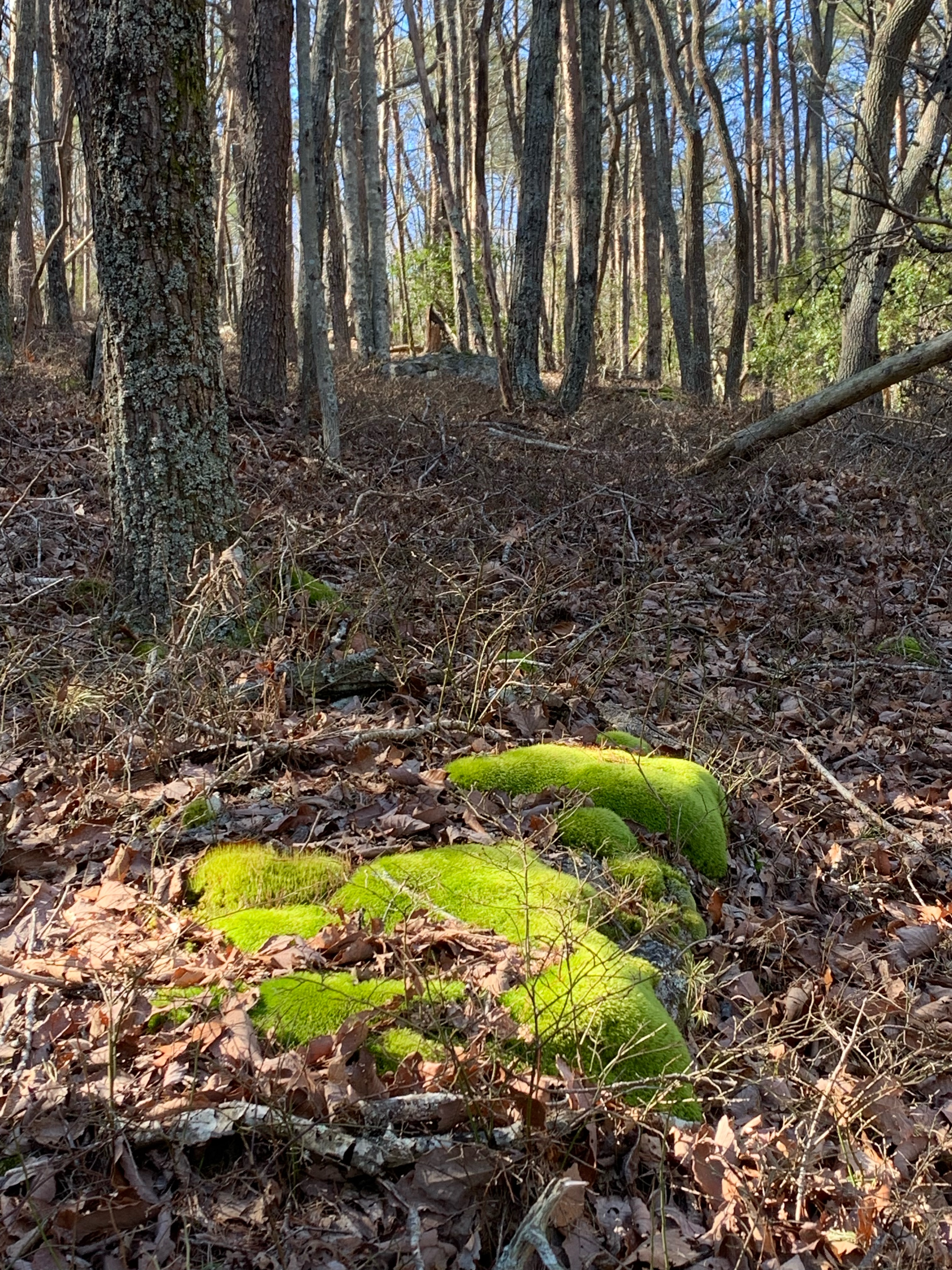
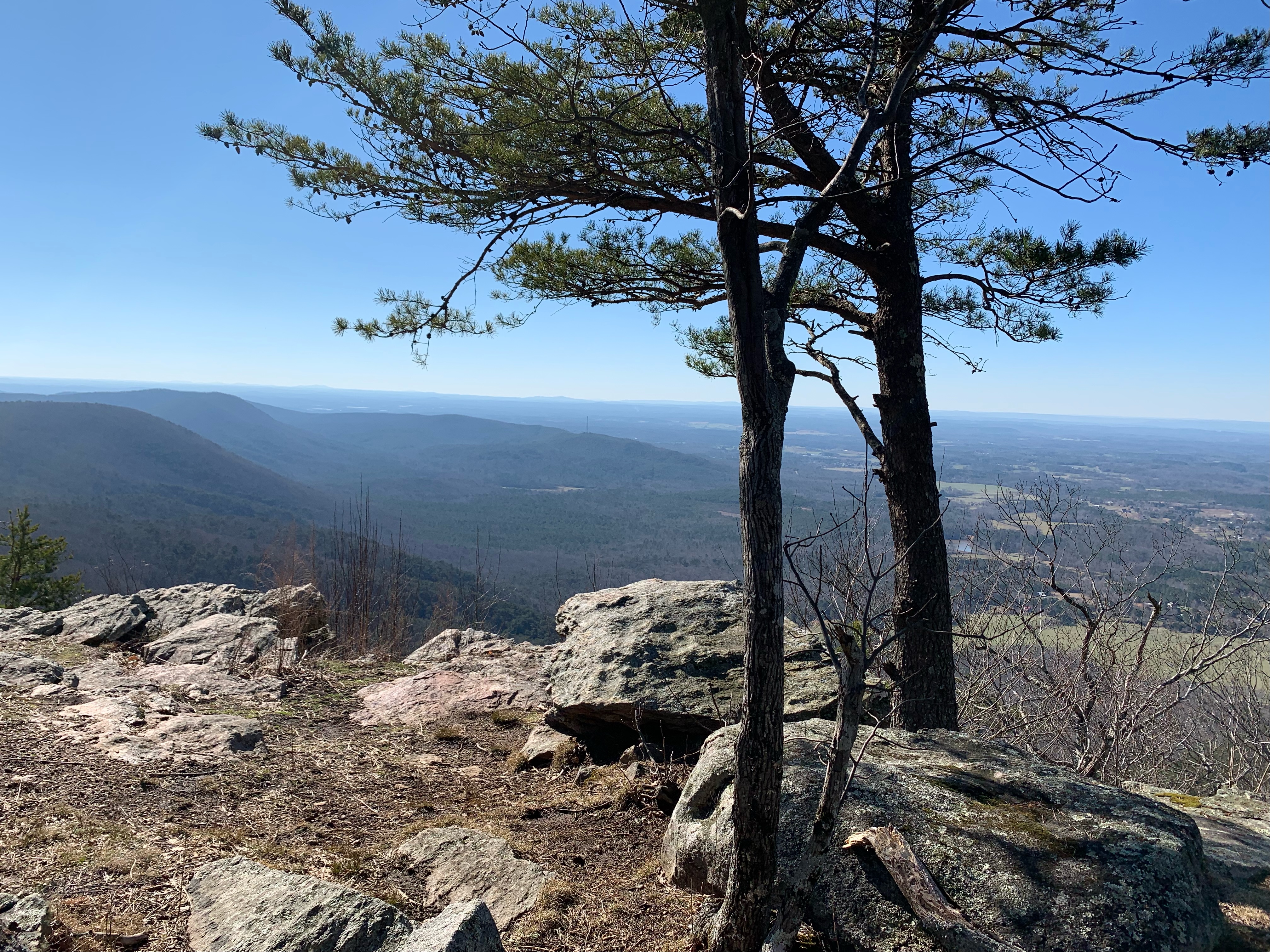
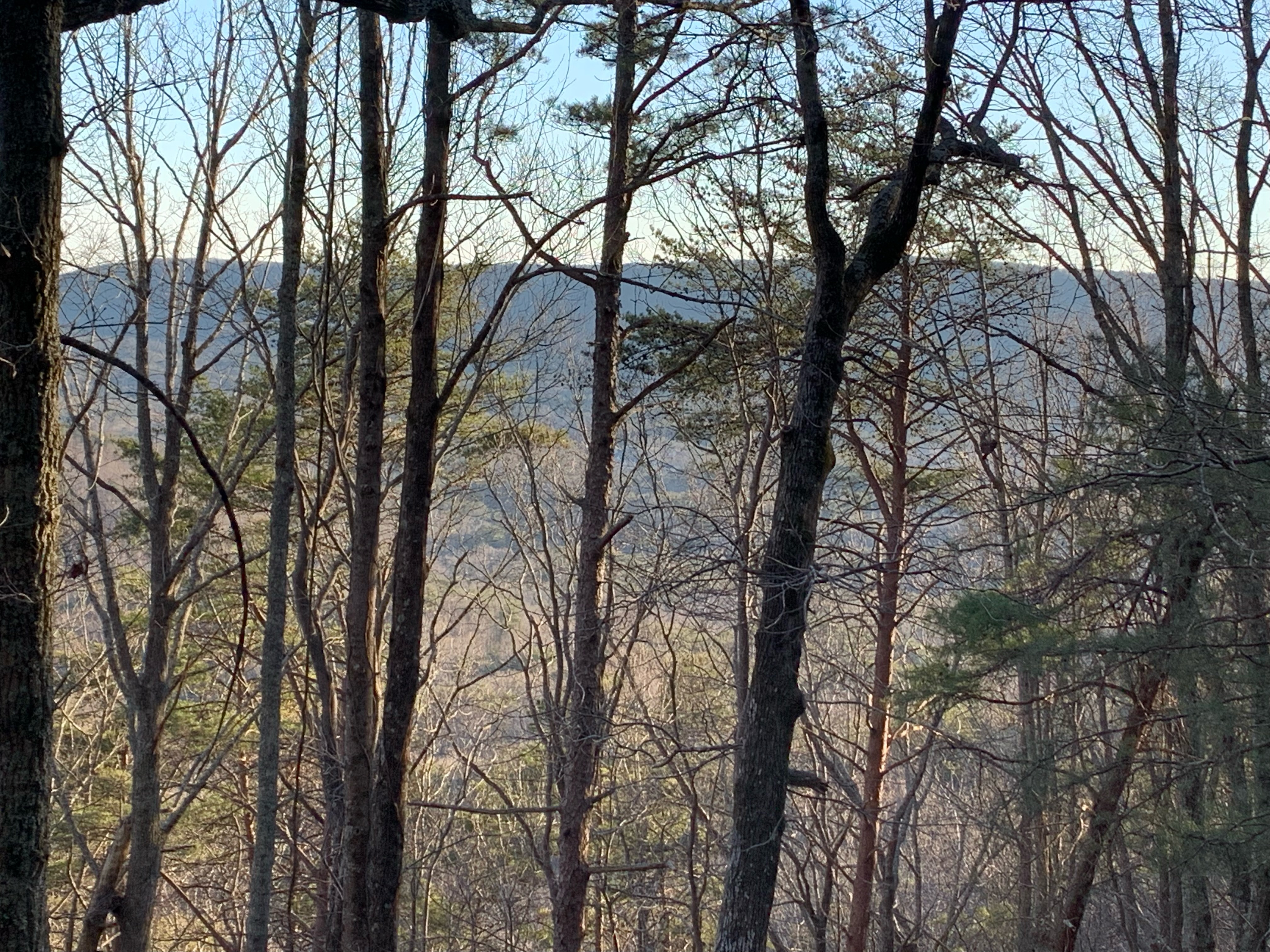
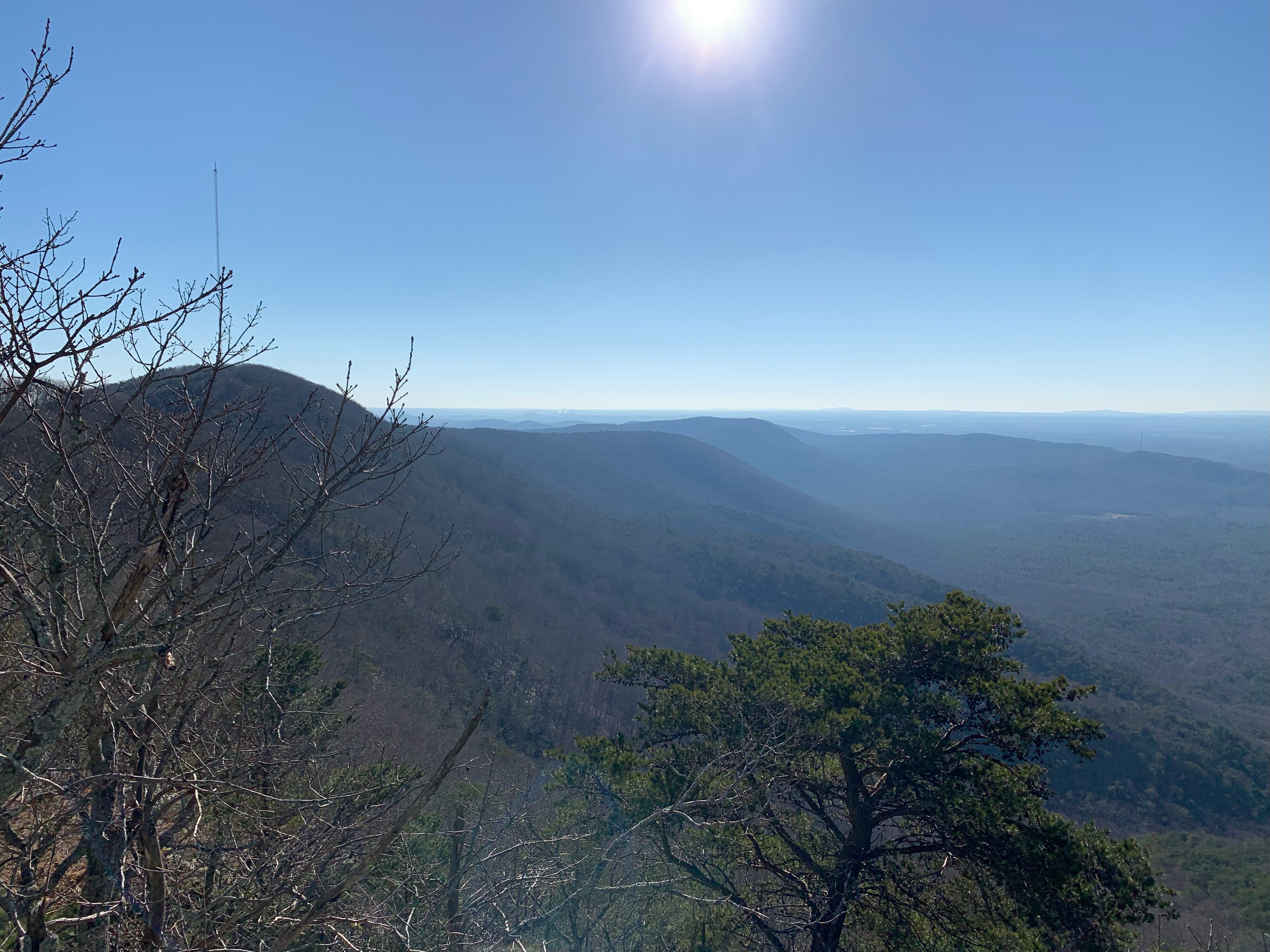
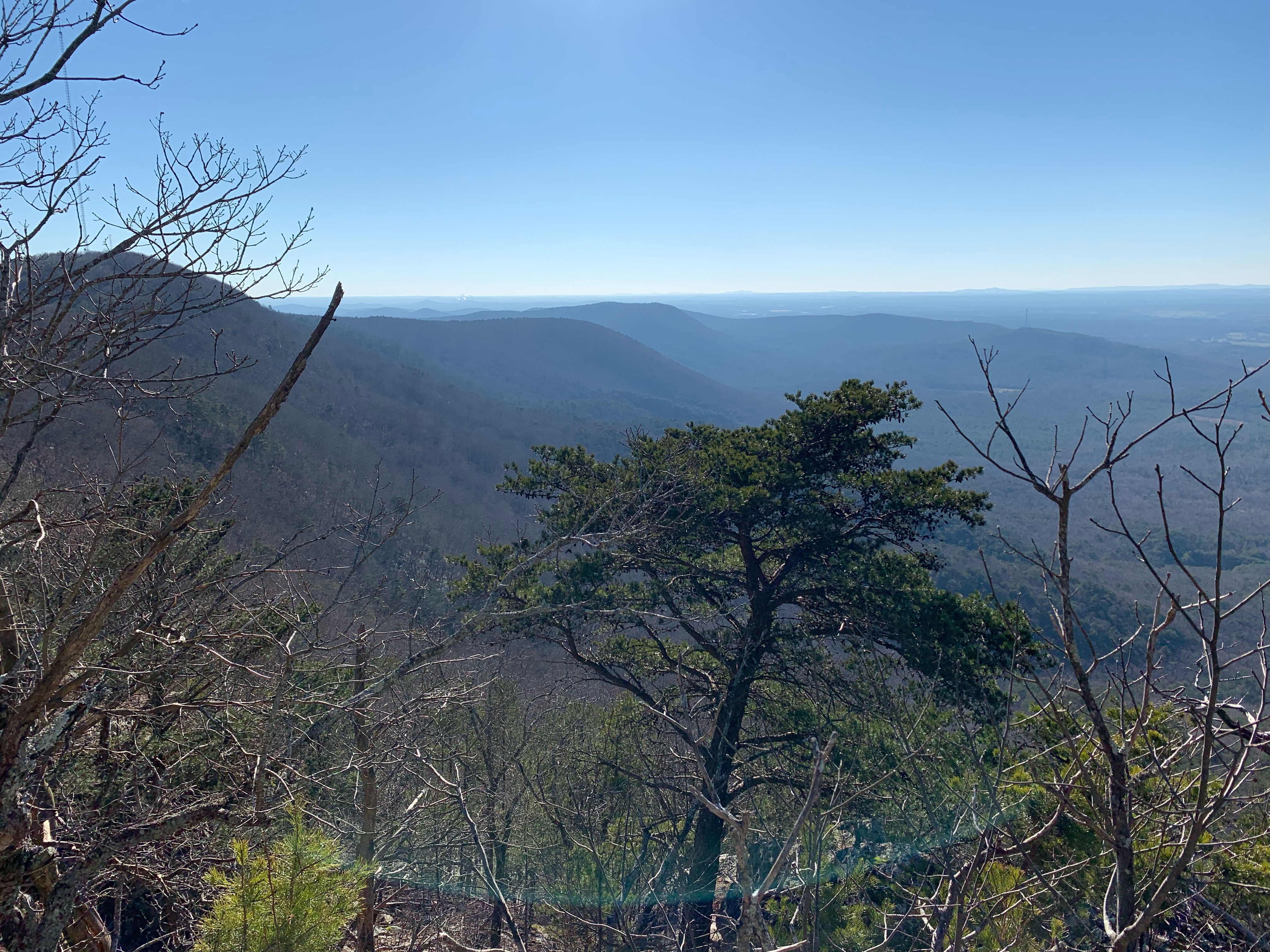
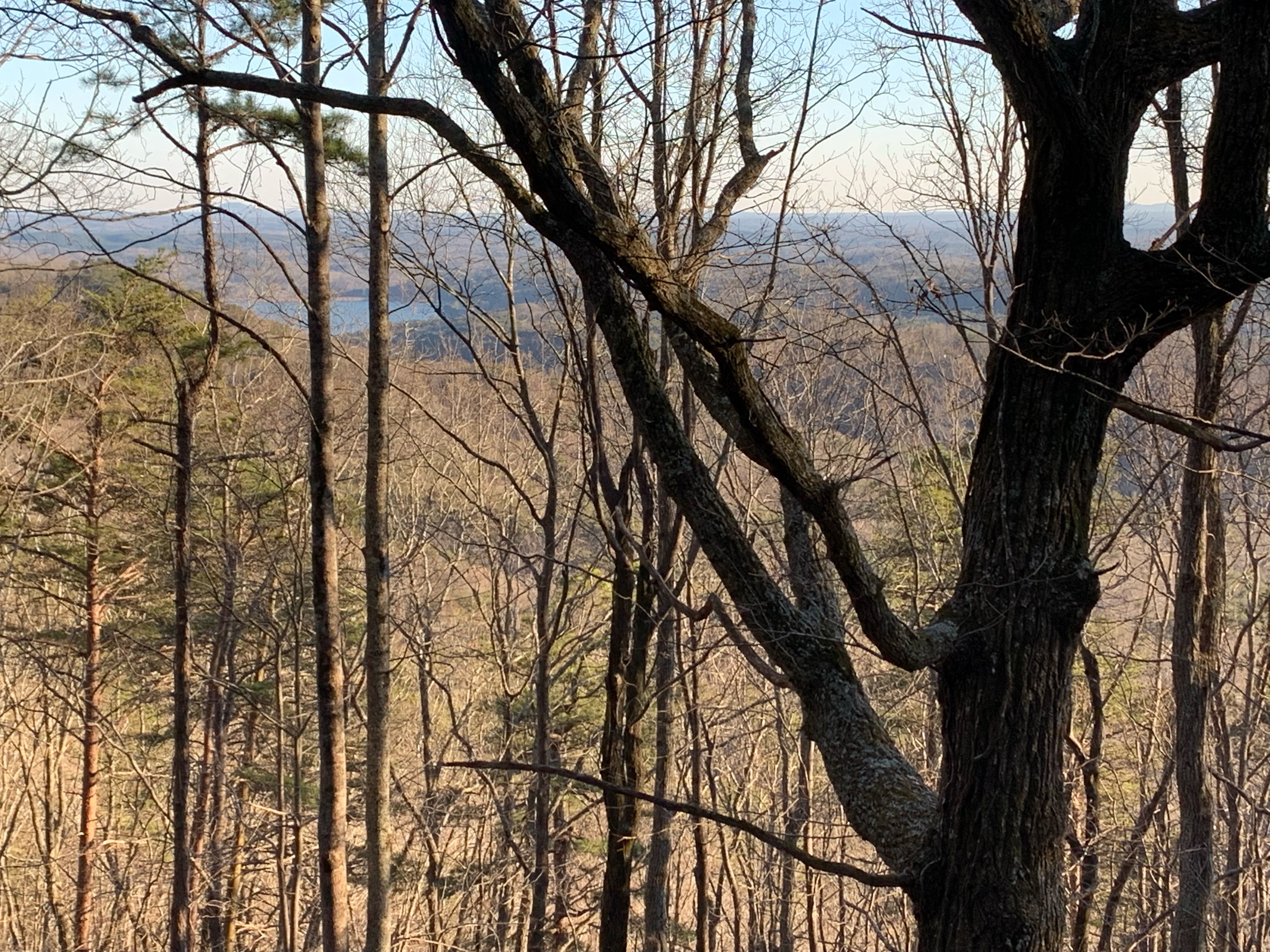
Over recent days the displays of power, color, cold, sunrise, sunset, clouds, water, snow, and more gave rise to a simple question: What makes more sense, that God is the supreme, sovereign Artist or that all of these are ‘accidents’ of blind material chance that cannot account for their origins, nor I mine?
Pictured above is our backyard 26 hours ago.
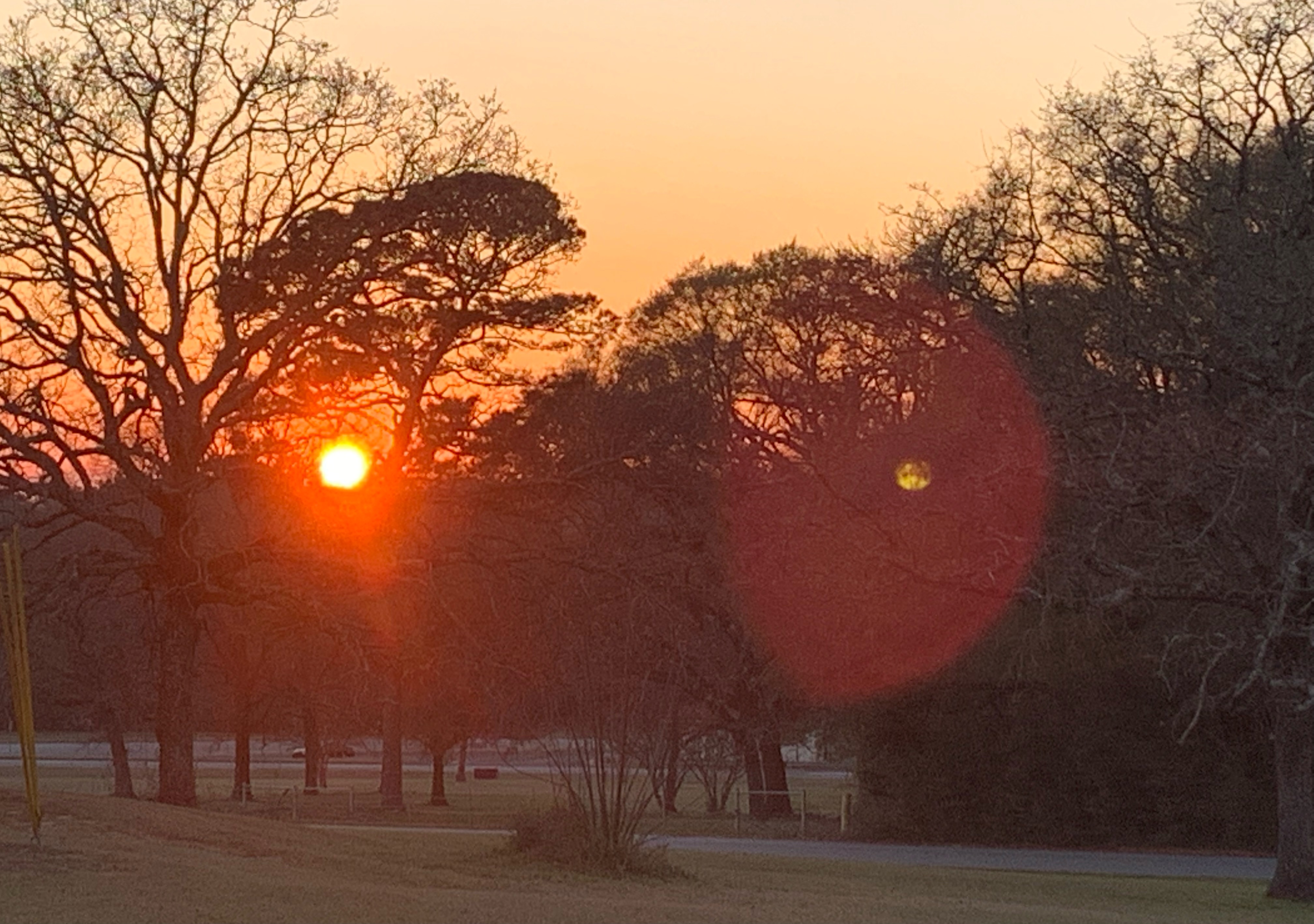
Below is from today when I was getting a walk in along the golf course.
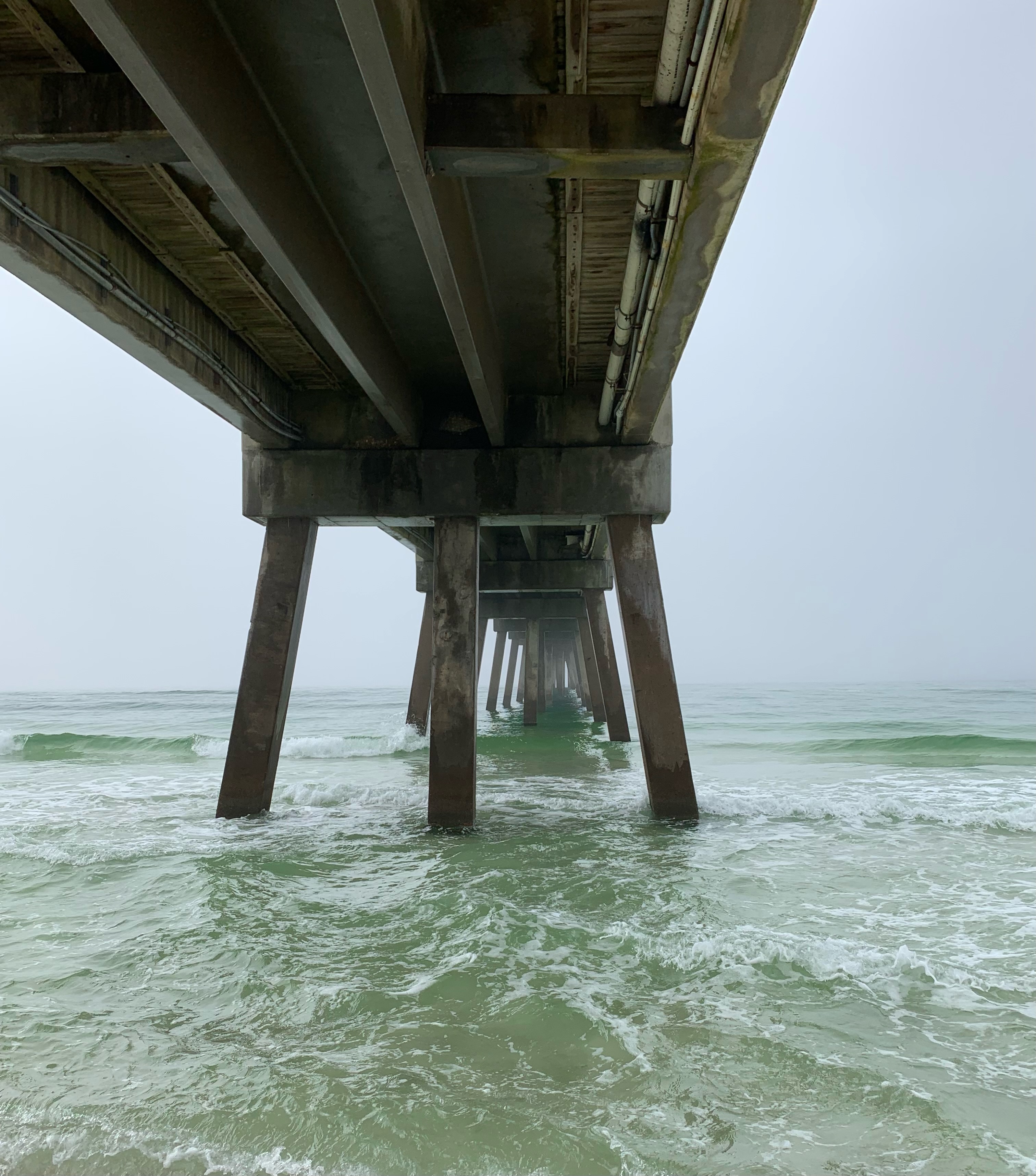
Below is from the bridge overlooking the river.
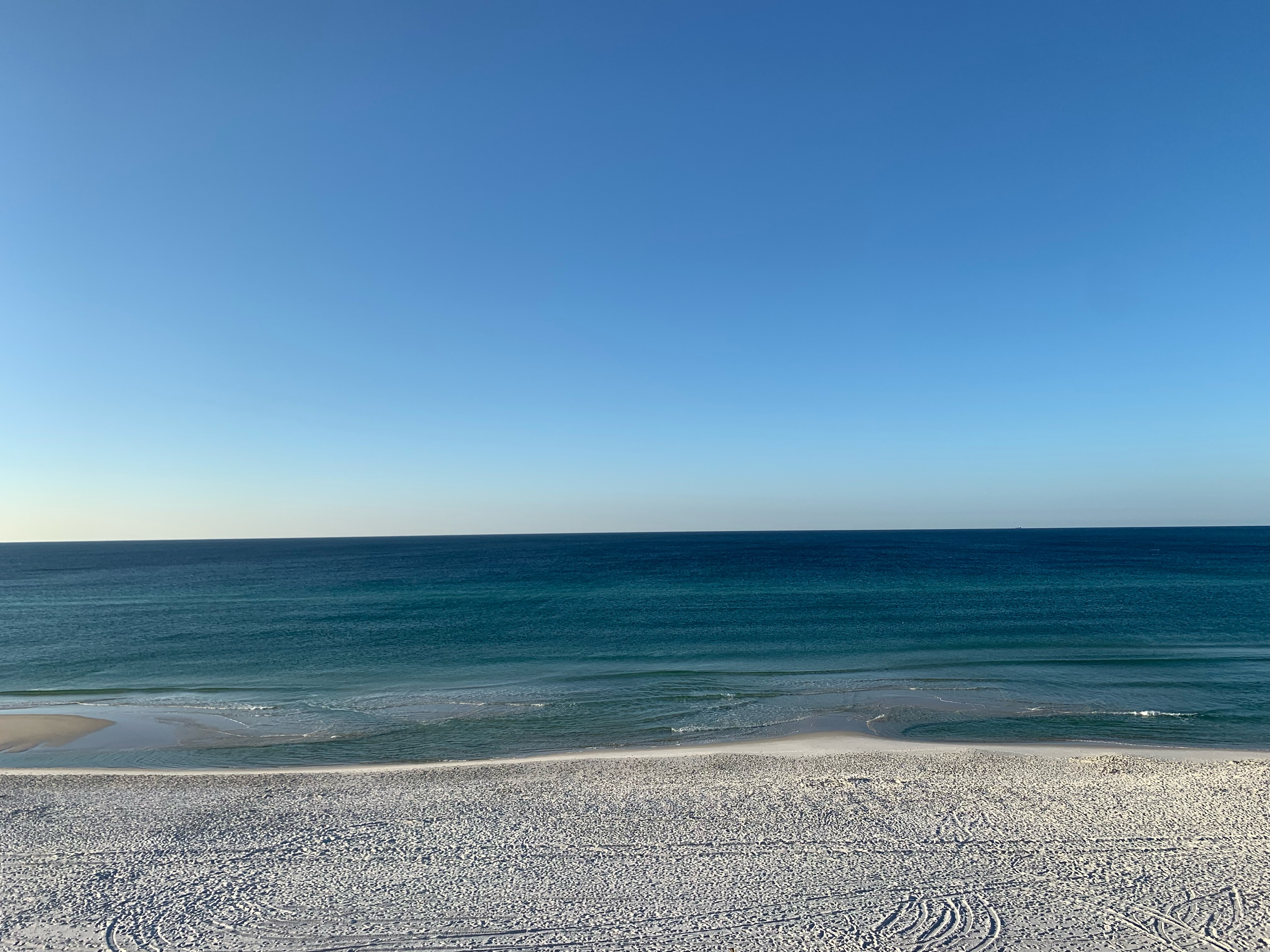
Below is a picture from our hotel balcony in FL.
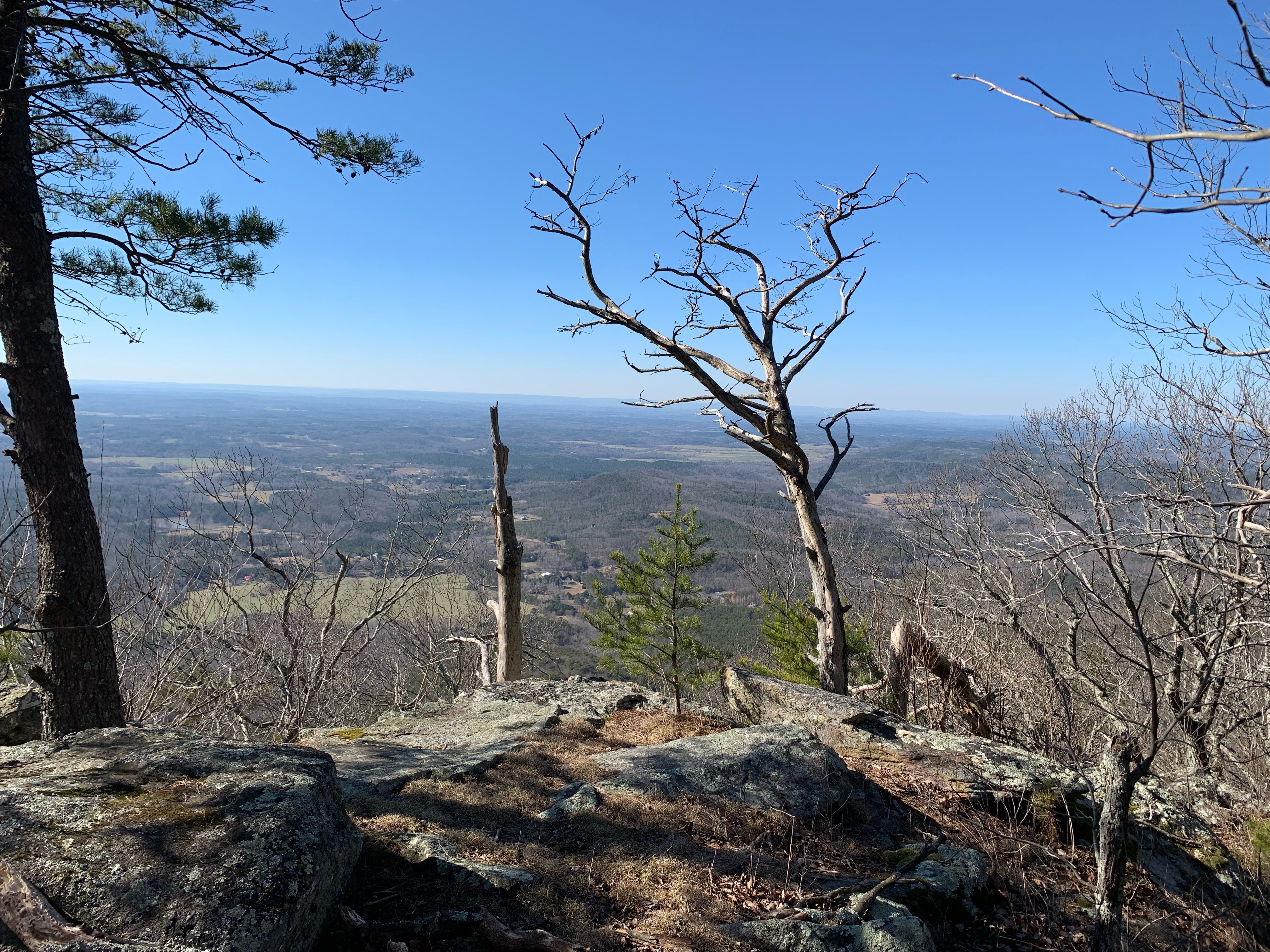
This last one is from a ridgeline I often hike near our home.
Boy, the secularists sure do have to ascribe a lot of power, imagination, artistry, design, nuance, irreducible complexity, and much, much more to . . . nothing. Seems suppression of evidence is their default position.
Seems to me creation bears witness to intelligence. Supreme and perfect intelligence. And beauty. It’s as if God has revealed Himself so much that we are without excuse by denying creation and its Author’s sovereignty.
Ever have one of those days that you could not have manufactured, a day in which you heard something that moved you deeply, or saw sights that you knew right away would remain with you for your life?
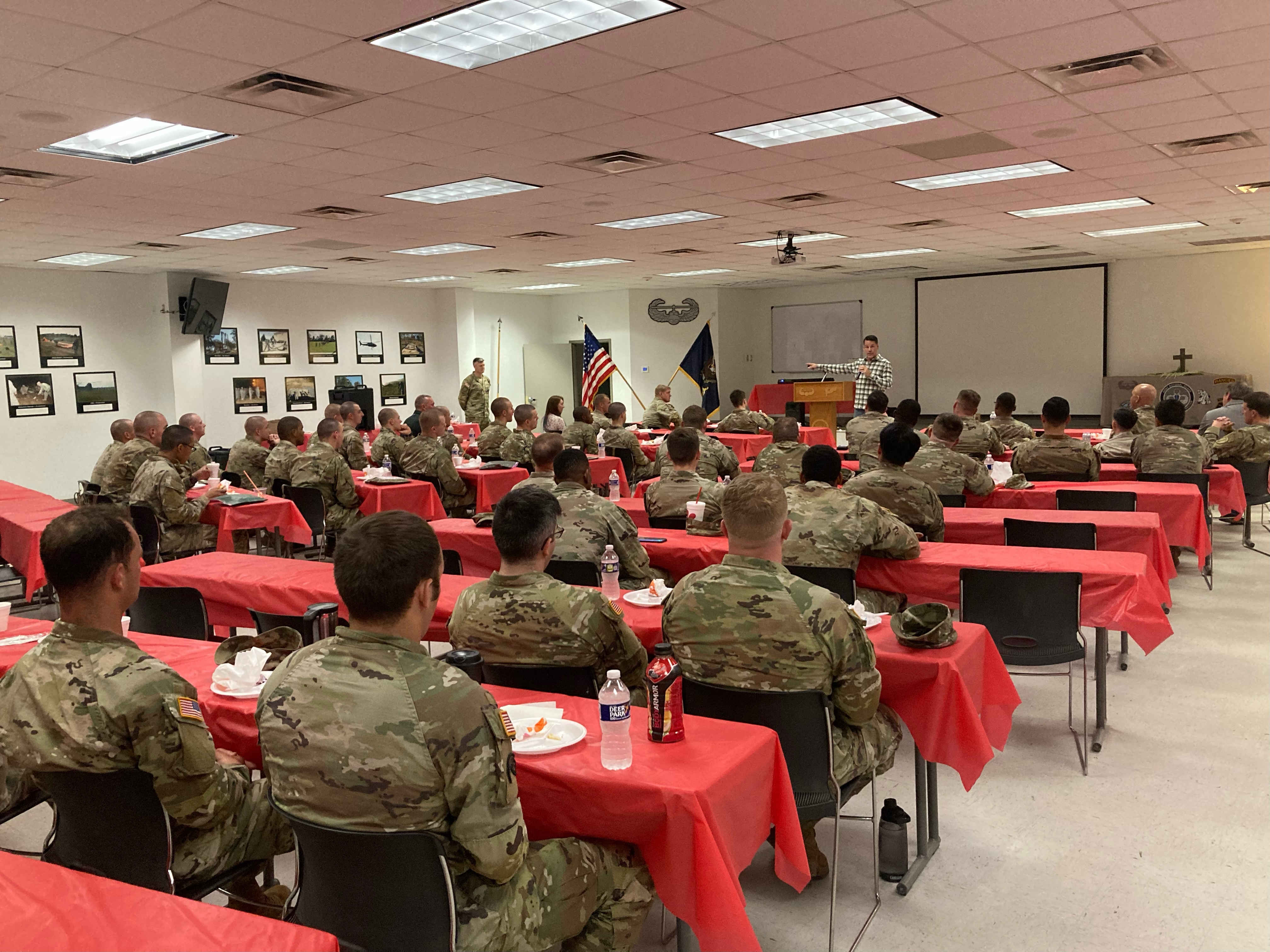
And I don’t mean a spectacle like a mountaintop experience or a cruise in Alaskan waters or sunsets on Oahu. For me, it was just a day with fellow soldiers and with a speaker who shared a message from my favorite book of the Bible: Ecclesiastes.
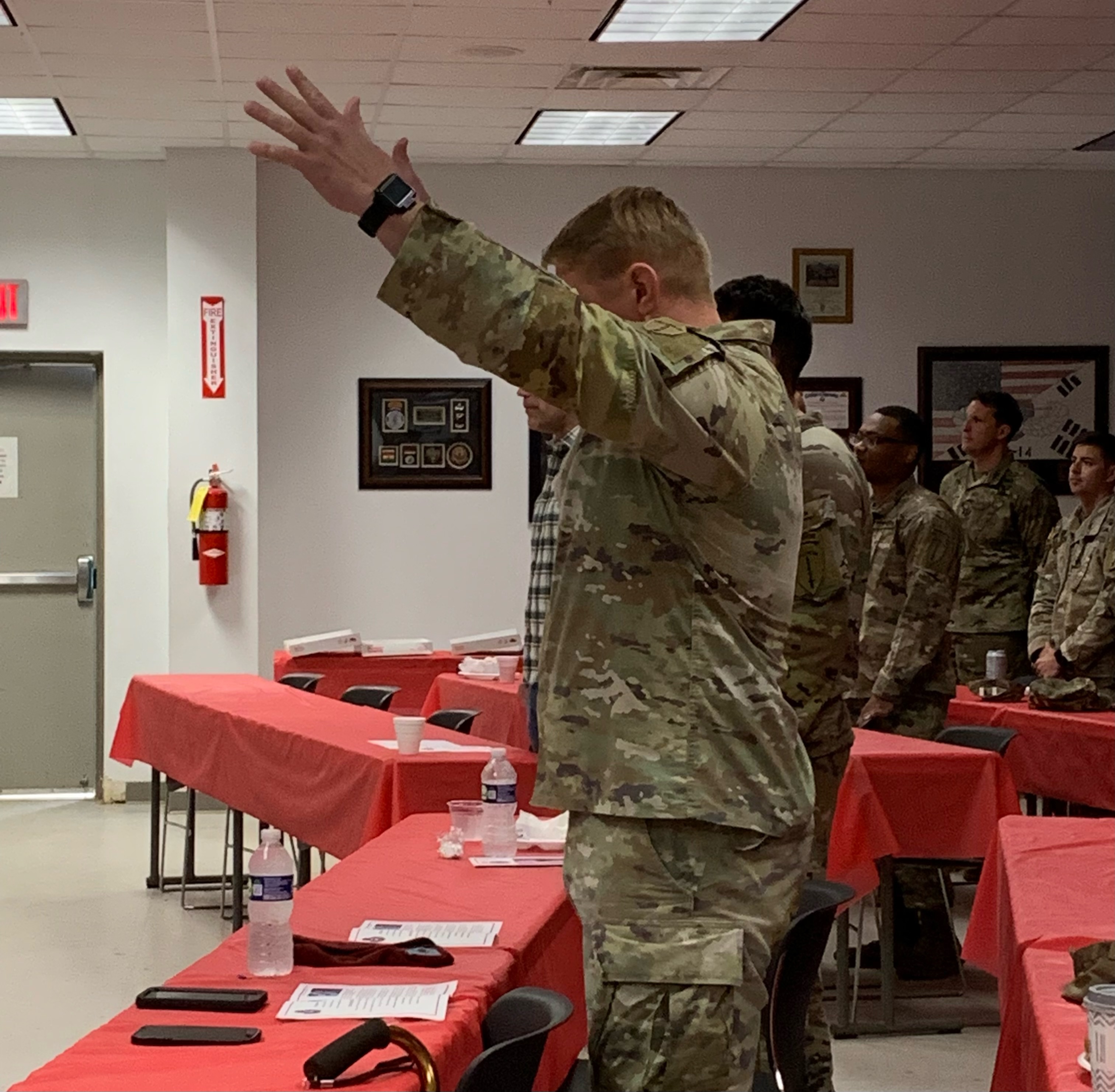
One of America’s great warriors, now a civilian pastor, still preaching the gospel to soldiers and civilians alike, spoke to me and my fellow soldiers. His theme was straight from Ecclesiastes: Don’t miss God for anything else. Why? Because anyone and anything else is–by design–less than. There is God, and then there is everything else. There is the Creator, and there is the created.
Solomon unpacked this fundamental theme for 12 chapters throughout Ecclesiastes. He wrote about what he called “the end of the matter” (Ecclesiastes 12:13). He wrote of ultimate things. He wrote of how he squandered much of his life “under the sun” (Ecclesiastes 5:8-7:24). He called it vanity, emptiness, vexation, roping of the wind, futility.
The speaker today, like Solomon in Ecclesiastes, spoke to younger men, trying to warn them not to lose their souls by gaining this world and forfeiting their souls. He shared his own experiences. He connected them to Solomon’s wisdom.
And who knows if the message will take root in the souls of these young men? I hope so. I had a friend years back who was a great encourager to me when I was pastoring. He said, “Jon, we sow the seeds but only God can till the heart.” He was exactly right.
We do what we can. We open the text. We proclaim it. We explain it. We teach it. We hold it forth. But unless and until God tills the soil of the human heart, it’s unheeded wisdom. If wisdom is unheeded, it remains neglected and rather a knowledge, not wisdom. The distinction is that wisdom is knowledge appropriately applied, lived out.
Hence, my love of Ecclesiastes. Solomon was a man who made a lot of blunders, but he had the humility and wisdom, inconsistently for sure, to try and reach those he loved.
As Solomon penned, again today we all saw it: “The sun rises, and the sun goes down, and hastens to the place where it rises” (Ecclesiastes 1:5). We have another shot at it, to hear wisdom and embrace it, to live it out. Or we will suppress it, mock it, scoff at truth, and to turn away.
I have a great privilege, the opportunity to hold forth the message of hope, of reconciliation, of redemption, of forgiveness, of wisdom.
May God till many hearts.
Time will tell.
May we learn, in the time allotted to us, the wisdom of Ecclesiastes, and that wisdom is much more than a cognitive and theological construct; it is, rather, a person who took on flesh, bore the sins of His people, and conquered the world’s folly, to rise three days later, as proof that the wisdom of God overcomes the pride of men.
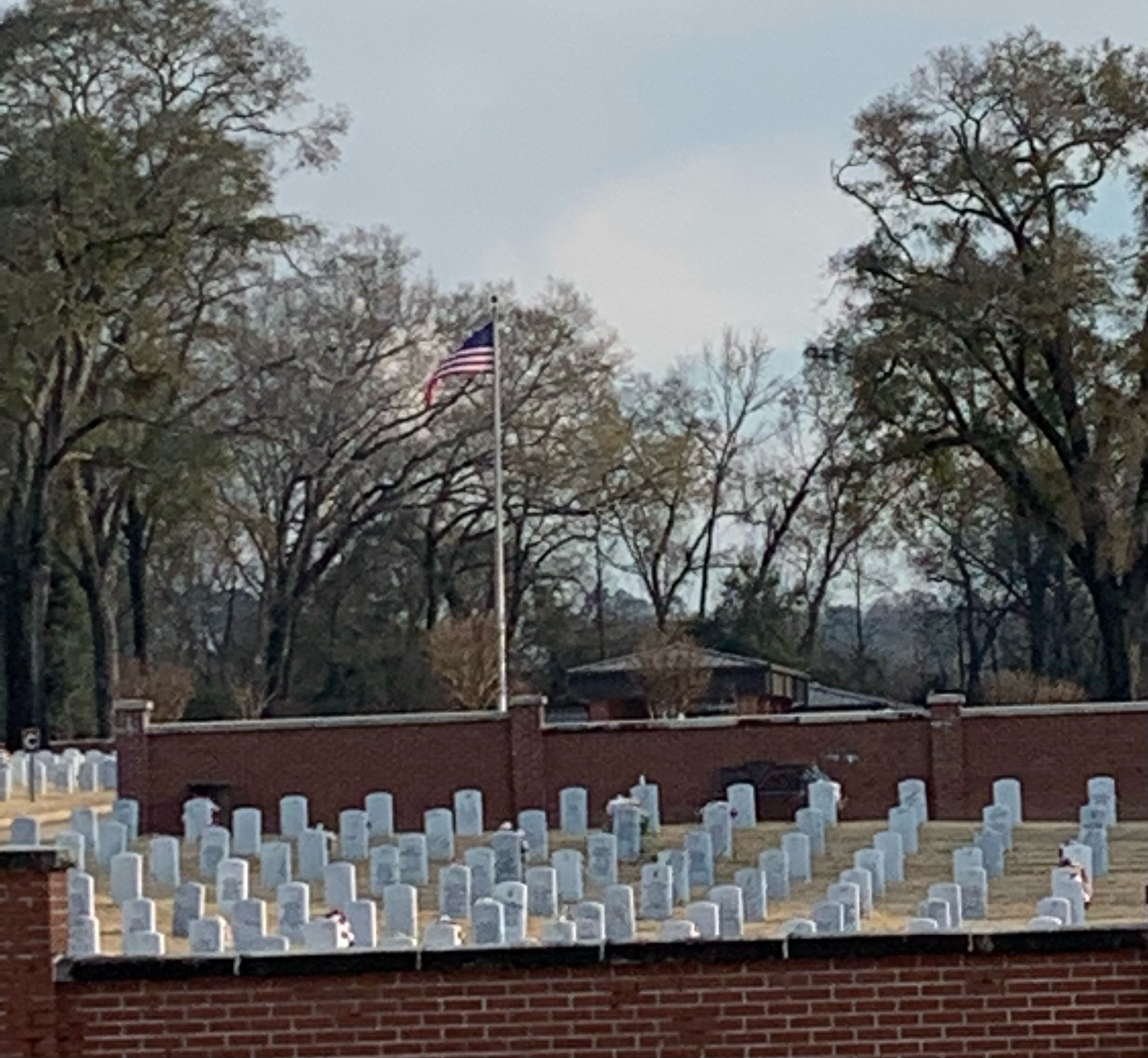
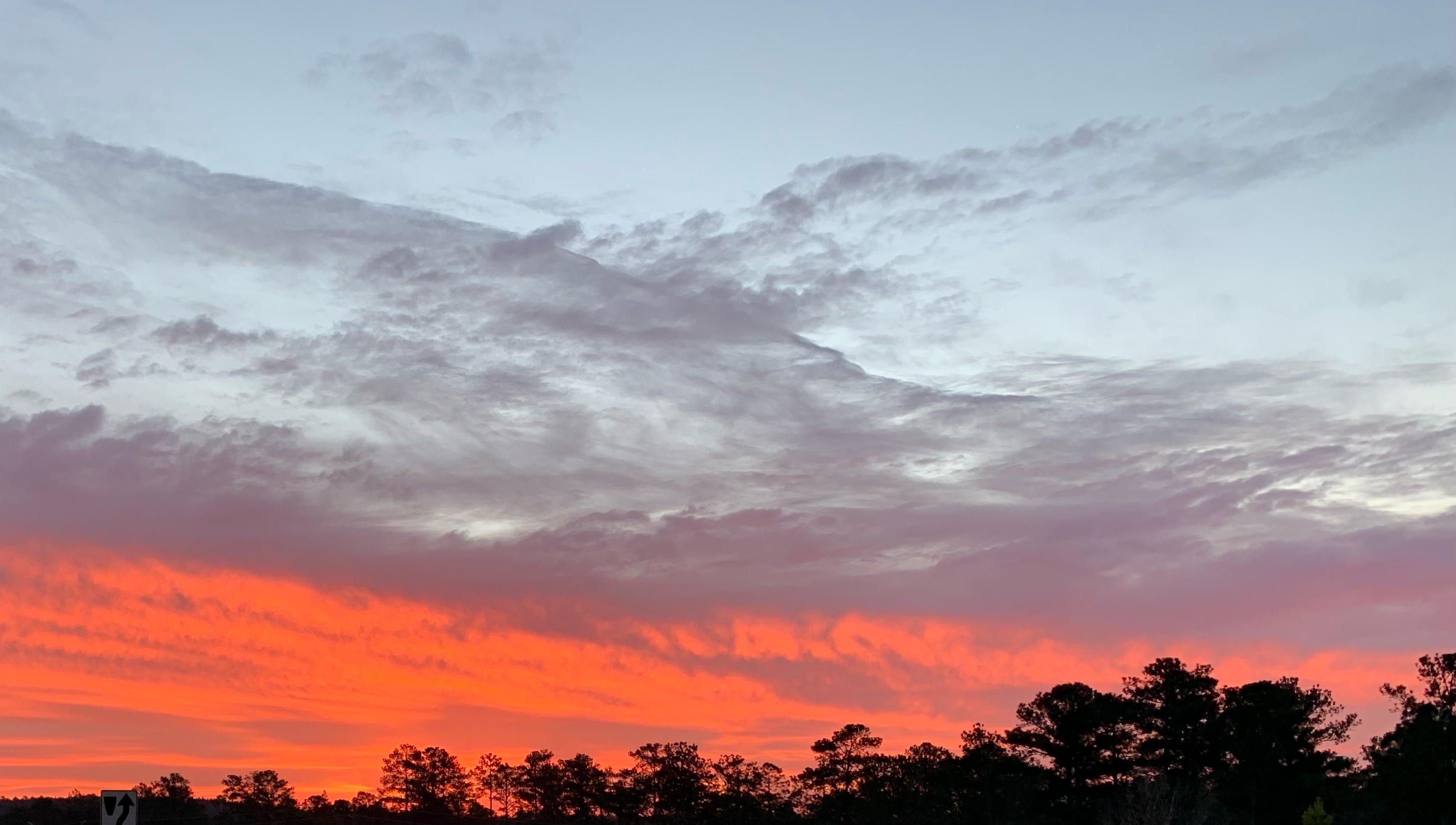
As I drove home, I surveyed the land and sky. A cemetery with patriots and others. An orange sky. America’s colors unfurled with evening wind. I lifted my phone. Snapped a picture. Why? To remember. What exactly? That the men and women are now removed from here. That their lives here are now (perhaps?) reduced to a bromide or dates or relationships on a slab of gray concrete or marble.
One’s theology is crucial.
Teach me to number my days. One life. Make it count. For the truth.
When the sun goes down, and one perhaps reflects, the thought invariably comes: “How are you spending your days? Make them count.”
I know folks who may prefer the mountains or the woods (I get that completely) but there is something about the sounds of the waves on the sandy shore, and the breeze from the ocean, and the sounds of the sea fowl, and the way that dolphins swimming parallel with the shoreline inside the sandbar, makes us all smile and bristle with excitement like children.
We simply behold what is, and delight.
I just returned from a few days with fellow soldiers. The team of which I’m a part got to pour into fellow soldiers. We taught skills in communication, stress management, money personalities, personality types and personality patterns, and more.
But most of all, we spent time together sharing and getting to know one another and deepening relationships with one overarching goal: resilience. Being able to take a punch, so to speak, but get back up and keep going. Bouncing back. And recognizing that we don’t fight alone but as a team; therefore, we ought to invest first of all in people.
I was able to spend time with guys whose skills far surpass mine. They are faster, stronger, and more agile. But what our team did, I think, succeed in was planting seeds of spiritual maturation that can take root and bear fruit, both in the short-term and in the long-term, over their careers and future lives.
We enjoyed some seafood in the evening, walked miles along the shores, took in the sounds and smells that the beach affords, patronized some tacky t-shirt stores, bought overpriced coffee, and more.
But it was worth it. Why? Speaking for myself alone, I think it’s because we sometimes need to get away from the familiar to recapture what ultimately matters and why we do what we do. For me (one who tends to prefer mountains and woods and ridge lines), water, sun, sand, and each other are hard to beat.
Salute to the soldiers I’m privileged to serve, the Unit Ministry Team of which I’m a part, my mentors, my family, my unit, and to the Author of all good things.
“Stand by the roads, and look, and ask for the ancient paths, where the good way is; and walk in it, and find rest for your souls. But they said, ‘We will not walk in it.'” (Jeremiah 6:16)
The context of the preceding verse is the imminent destruction of Jerusalem during the lifetime of Jeremiah due to the sins of the people. God sent Jeremiah and other prophets to call people to repent, to turn back to God, and to live according to God’s ways. But just like in the Garden of Eden, the people chose to believe the serpent. They believed a lie and the father of lies, the devil. They thought they knew better than God. They thought they’d be just fine without God at the helm of their lives and as the anchor of their souls.
God was gracious to send prophets like Jeremiah and others to speak forth the words of God. To do what? To plead with people to “ask for the ancient paths.” That is, to seek wisdom, to obey God. And to do what when those ancients paths are revealed? To walk in them. To apply that theology. And what will come if people walk in wisdom? Rest for their souls.
But if there’s one characteristic of the fallen human heart it is this: obstinacy. “We will not walk in it,” (Jeremiah 6:16b). That’s fallen man’s posture. The shaking of the fist in the face of God and gritting of the teeth and rebelling.
And so when you see leftist cities overrun with crime, when you see godless governments go from working for the people to canceling people, seizing their assets, and incarcerating them, you should not be surprised. It’s symptomatic of spiritual rebels screaming, “We will not walk in it.”
I have to laugh when I see biological men compete as women and then naturally dominate the sporting events. Why complain? You said there was no difference between men and women, right? Non-binary, you said.
When you defund police and then watch as your cities degenerate into Thugville, why complain? You got what you asked for. “We will not walk in it.” That’s your mantra. Behold, the fruit of thy ways.
It’s an old story but one which most refuse to learn. And so the headlines and obituaries and persecutions and cancellations continue. The state grows bigger; governments squash the individual because the individual will not govern himself.
Obstinacy against wisdom, against the ancient path, against God, has consequences. But most refuse to listen.
And when it comes to your doorstep, it’ll be too late.
Meanwhile the prophets have been canceled or worse. Because the people chose obstinacy and now they are reaping their rewards in full. Lord, have mercy. We have lost our way. Obstinacy vs. redemption via the gospel. We are reaping the whirlwind.
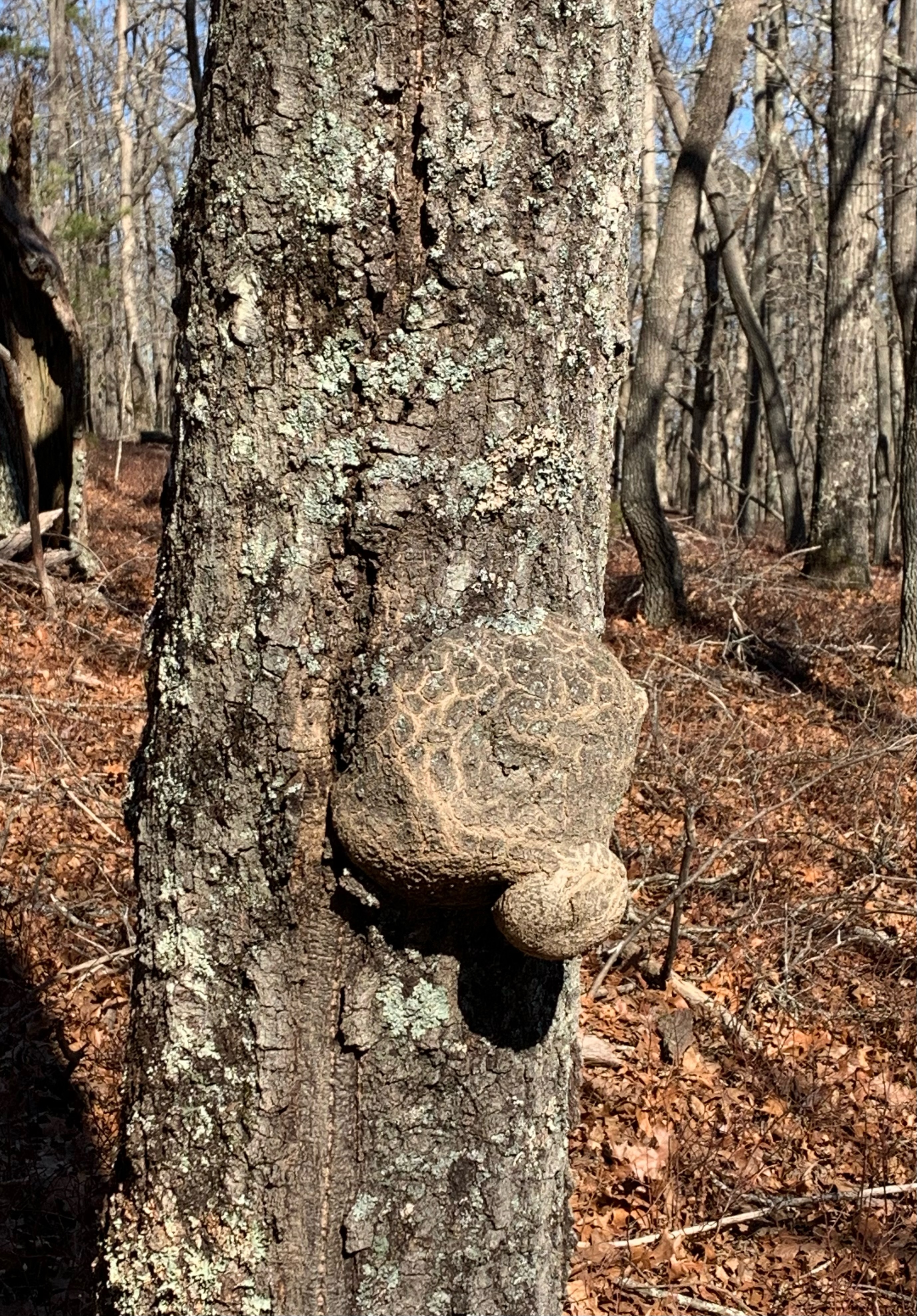
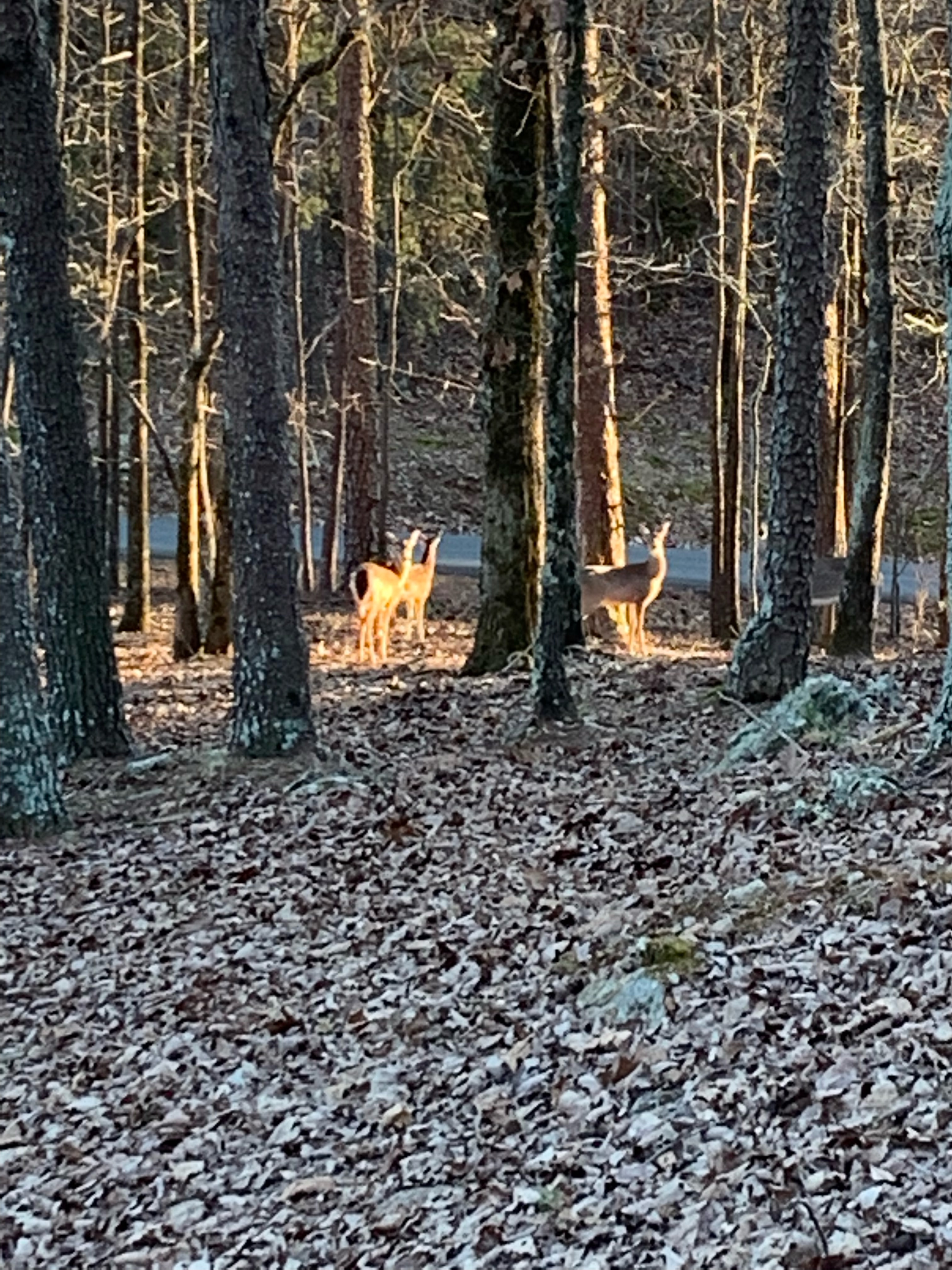
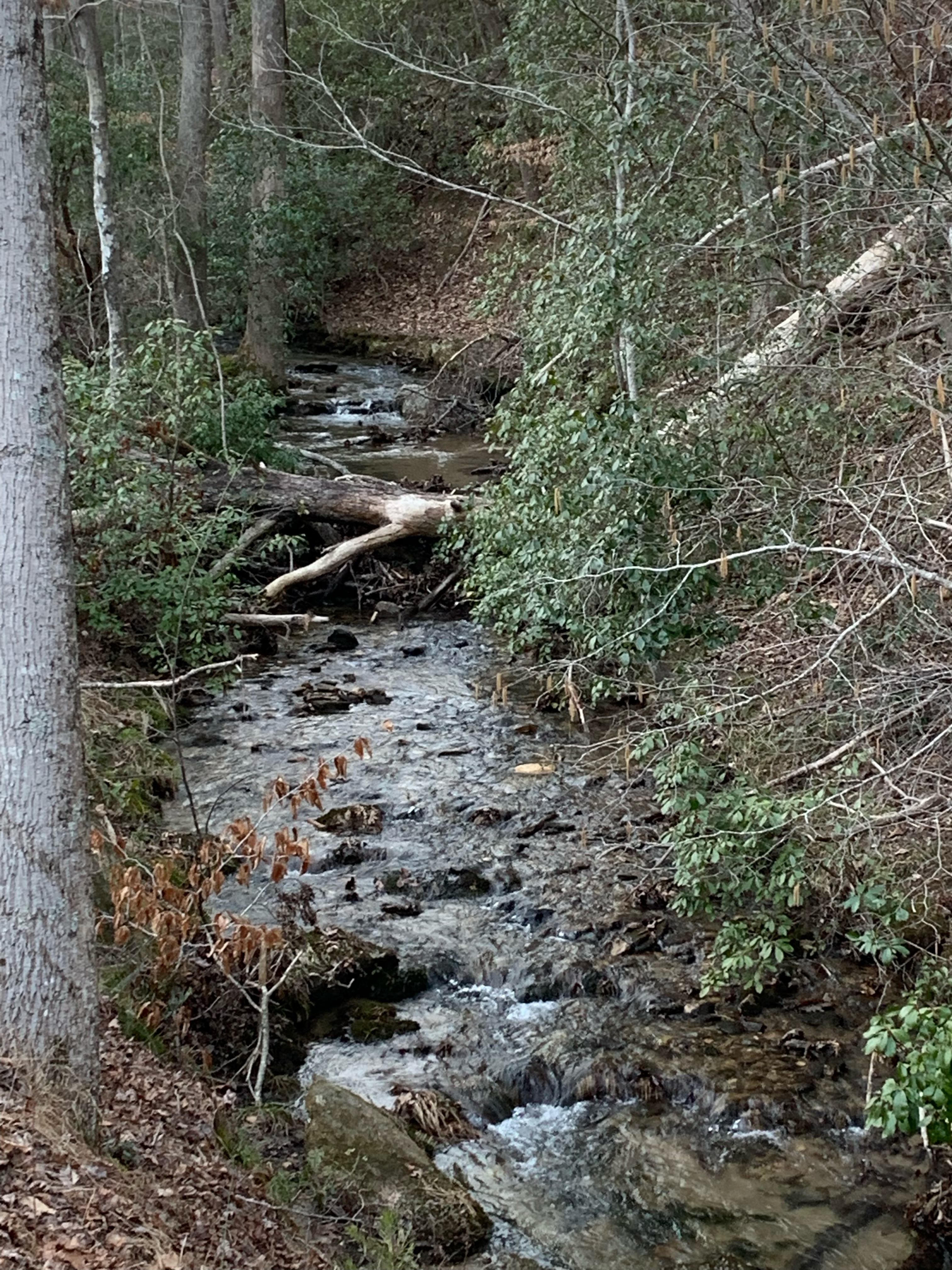
In no particular order below are some glimpses from my miles today with my hiking poles, hiking boots, a Faulkner novel, a journal, a pencil, and other items, but most of all, I simply beheld what my eyes saw, what my soul responded to. I hope you enjoy.
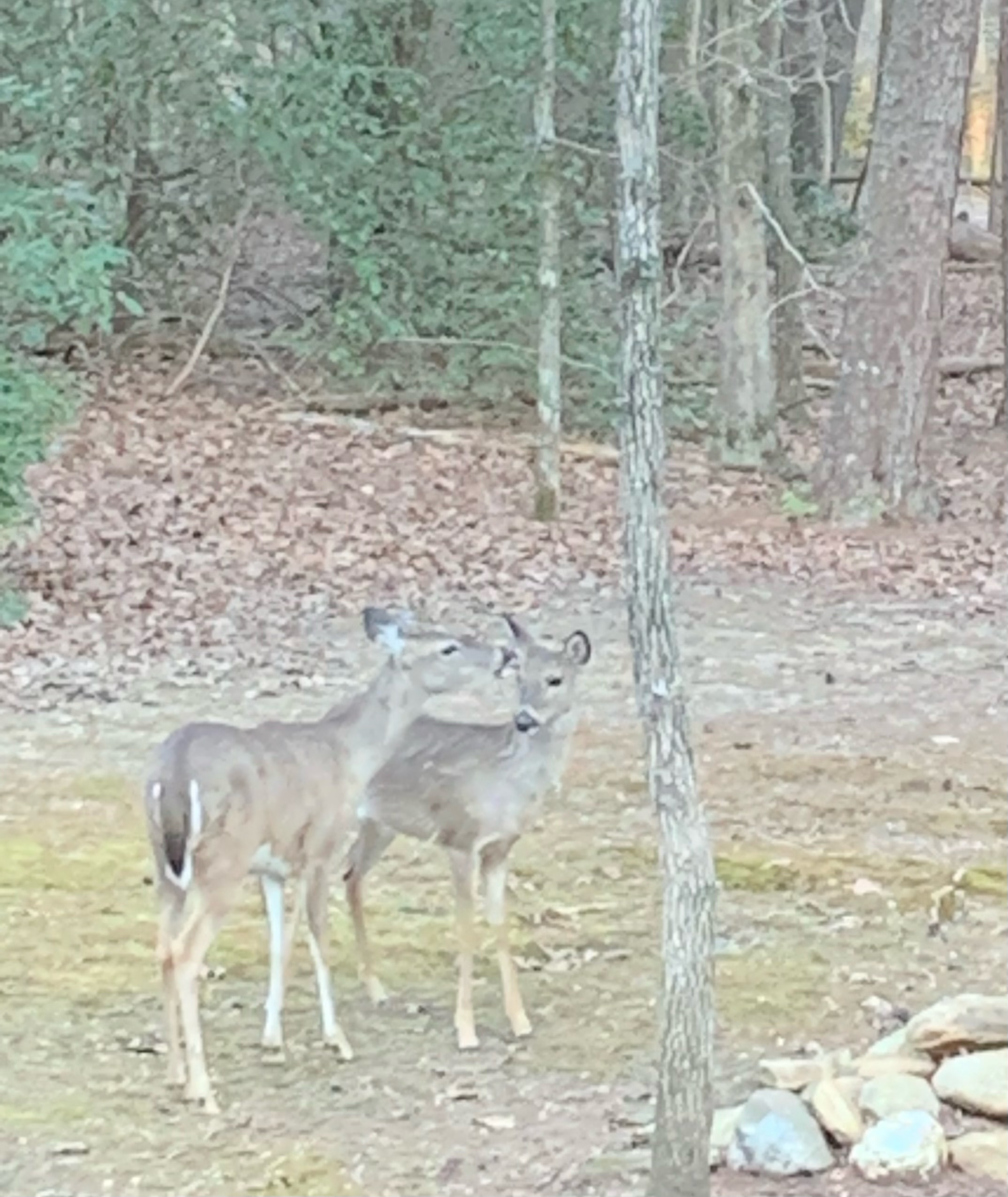
For some reason, I thought for a second I had seen a turtle walking down a tree. And I was a long way from where turtles usually hang out.
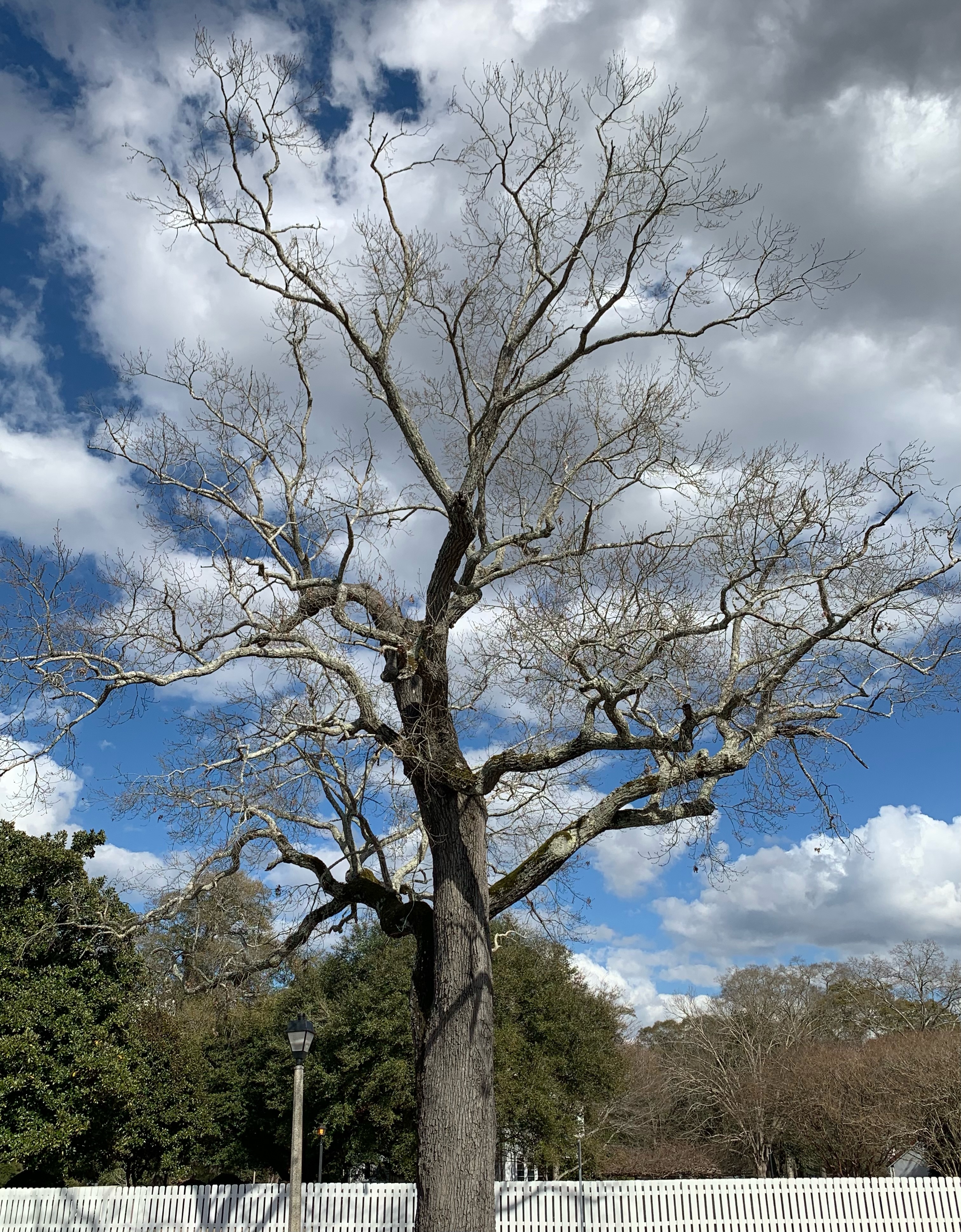
Anyone who knows me likely knows I’m a tree aficionado. I go few days, regardless of season, without photographing trees. Today during a jog, the one above captivated my attention each time I rounded the track. Towering above a white picket fence, with magnolias and myriad oaks behind it, and with the sidewalk meandering beneath, I found myself staring in appreciation.
How one views scenes like this reveals clues to one’s theology. In a universe devoid of a sovereign Creator, why would such a scene exist? Why would men have designed the fence such and such a way? And why would streetlights be placed a certain thought-out number of meters apart? And why would we manicure our lawns and plant shrubs and cultivate them for aesthetic appreciation if the universe is a cosmic accident? It seems clear that intention and design–divine and human–pervade the universe and all creatures. Why would cosmic accidents entertain themselves via intricate design? After all, animals don’t design fences, plan the architecture of a running track, place streetlights, and plant and preserve timber. No, those are intentional acts by intelligent creatures who owe their own particular giftings to their Builder, too.
I jogged a bit more and returned eventually to my car and drank the remainder of a gallon of water I’d kept on the floorboard. Something caught my eye. I looked up on a pine telephone pole. A red-headed woodpecker was circling the pole and pecking away. His colors were magnificently bright. I could have named him “Patriot” because he was red, white, and blue. He ascended and descended the pole, pecking away at the pole, that red head moving faster than I could capture with my eye. Amazing. LIke the tree, the bird captivated me. Why such beauty? Why the eyes to see it? Why the sun to provide light? Why the ability to sense beauty and want to appreciate it and share it?
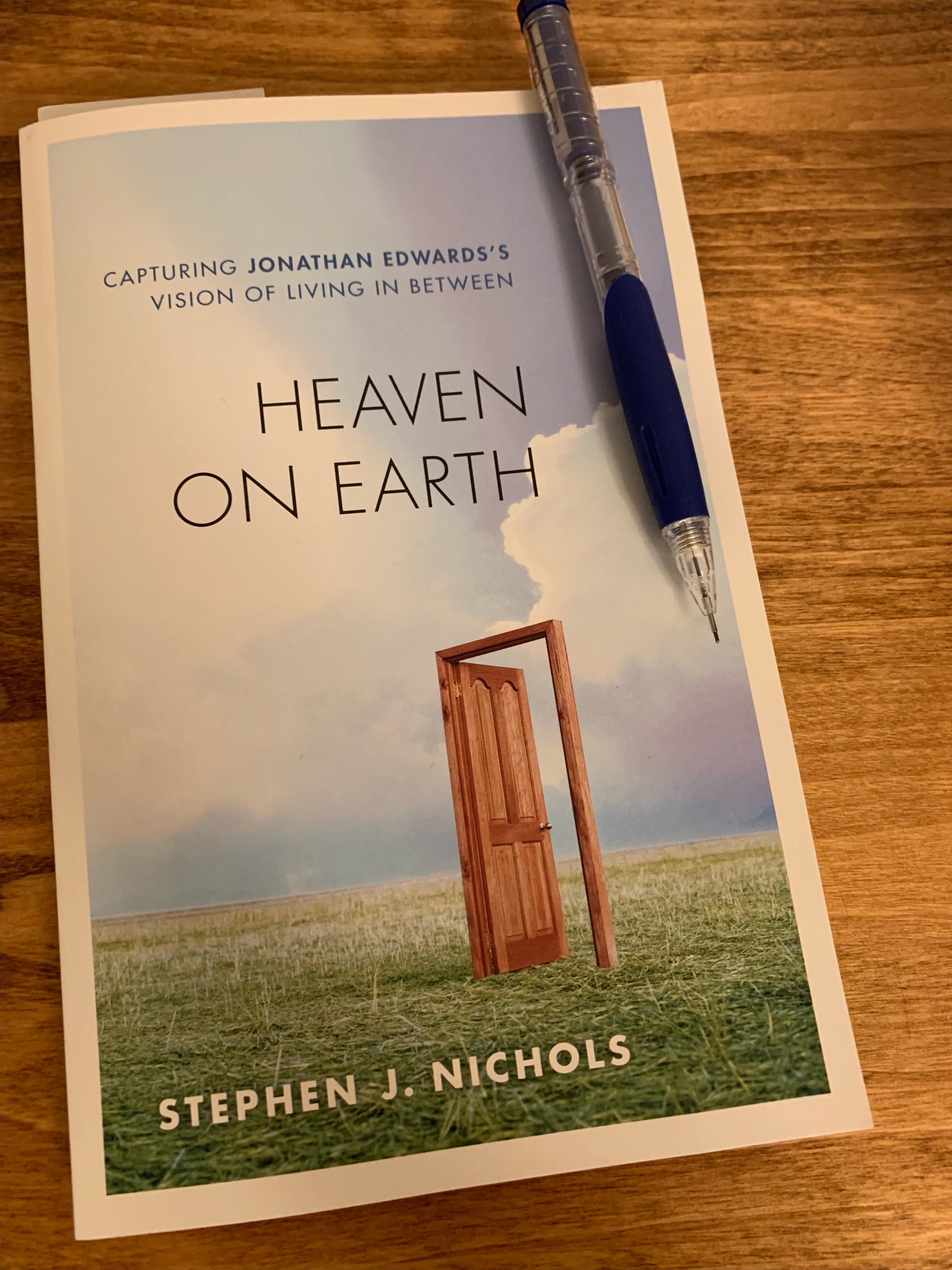
Later I returned to my place, tired and hungry. While I prepared my supper, I returned to a book I’m reading this week, Stephen Nichols’ Heaven on Earth: Capturing Jonathan Edwards’s Vision of Living in Between.
Nichols, an Edwards scholar, writes in plain language about the theological giant that was Jonathan Edwards, and it struck me how much I was reading about Edwards reflected what I’d seen earlier during my jog:
Just because this world will burn does not mean that we should leave it rotting on the vine. God put Adam and Eve in the garden to cultivate it. As they did, the garden would reveal the presence and the glory of its Creator at every turn, displayed with the dawn of every new day. Though this world is fallen and sin-cursed, it remains God’s world. He desires that we cultivate it, and even that we enjoy it (48).
Since we find that we live in an intelligible world, and we have the means not only to apprehend it, but also the abilities to cultivate, shepherd, and tend it, do not all these realities clearly suggest and imply not only the existence of a Creator, but also that He delights in beauty, and in making it for us to enjoy? Why? It is possible that He intends beauty as a conduit for our delight in its Author? And sometimes that could be as simple and yet spectacular as a hardwood in winter, a red-headed woodpecker, and a theological worldview that acknowledges the masterpiece we tread upon.